Tesla Cybertruck: Radical Design and Global Impact of the Electric Truck
“`html
Tesla Cybertruck: A Polarizing Vision of the Future
The Tesla Cybertruck arrived in 2023 not just as another electric vehicle, but as a rolling manifesto of Elon Musk’s ambitions to redefine transportation. With its angular, stainless-steel exoskeleton and bulletproof glass claims, the Cybertruck sparked immediate debate—both for its radical aesthetics and its technical ambitions. Love it or hate it, the truck’s arrival has forced the automotive world to confront a question that extends beyond miles per charge: Can industrial design be a cultural disruptor?
Globally, reactions have been as varied as the vehicle itself. In Silicon Valley, it’s celebrated as a symbol of tech-driven disruption. Across Europe, regulators have scrutinized its safety claims. In emerging markets like India and Brazil, where rugged utility often trumps futuristic styling, the Cybertruck’s reception has been lukewarm at best. Yet even in markets where it hasn’t yet arrived, the Cybertruck has become a cultural touchstone—a conversation starter about what trucks should look like in the 21st century.
The Design Philosophy Behind the Unconventional Shape
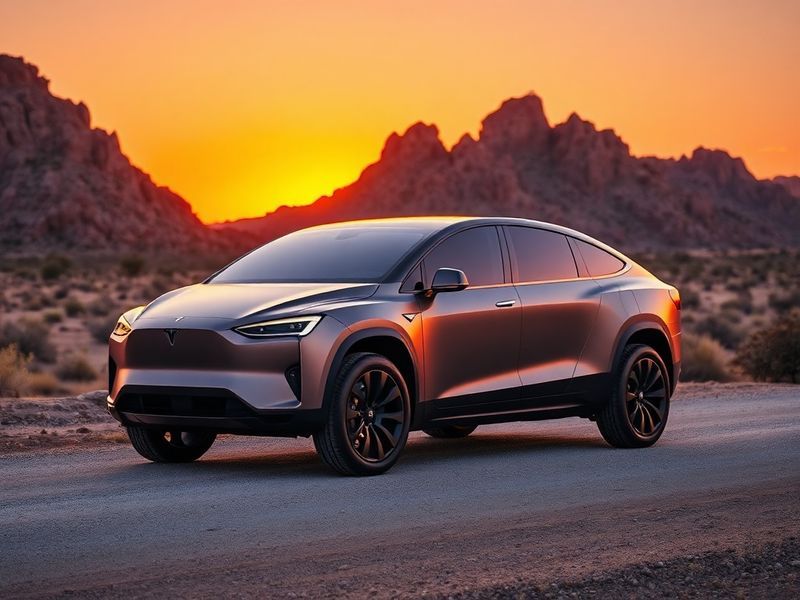
The Cybertruck’s most striking feature is its geometric, almost origami-like design. Unlike traditional trucks, which emphasize curves and aerodynamics, the Cybertruck leans into sharp angles and flat planes. This aesthetic wasn’t born from a focus group. It emerged from a desire to create a truck that looked like it came from another era—specifically, one inspired by retro-futurism and industrial machinery.
Franz von Holzhausen, Tesla’s chief designer, has described the process as “drawing a truck with a straight edge.” The result is a vehicle that resembles a life-sized LEGO block on wheels. While this design dramatically reduces wind resistance at high speeds, it also creates practical challenges. Side mirrors are replaced by cameras. Door handles are absent until the vehicle detects a key fob nearby. The windshield is a single curved pane of glass, a rarity in truck design.
Critics argue the design prioritizes shock value over functionality. “It looks like a prop from a dystopian film,” wrote one reviewer in The Verge. Yet supporters counter that the truck’s boldness mirrors Tesla’s broader mission: to challenge conventions and accelerate innovation. Whether it succeeds as a utilitarian workhorse remains to be seen, but as a statement of intent, the Cybertruck undeniably delivers.
Performance, Price, and the Global Market Reality
When Tesla unveiled the Cybertruck in 2019, the company promised a vehicle with 0–60 mph acceleration in under 2.9 seconds, over 500 miles of range, and a starting price under $40,000. Reality has been more measured. The first deliveries in late 2023 came with a base price of $60,990, rising to over $100,000 for the tri-motor Cyberbeast. Range figures have fluctuated, with early owners reporting real-world performance below advertised levels.
In the United States, where pickup trucks dominate, the Cybertruck faces stiff competition from legacy brands like Ford, Chevrolet, and Ram. Tesla’s Supercharger network gives it an edge, but the truck’s polarizing design has limited its appeal among traditional truck buyers. “Most people who buy trucks aren’t looking for a spaceship on wheels,” noted an automotive analyst at Automotive News.
Internationally, the story is even more complex. In Europe, where pickup trucks are niche vehicles, Tesla has struggled to gain traction. The Cybertruck doesn’t yet meet European safety standards without significant modifications. In China, Tesla’s second-largest market, the truck faces intense competition from domestic EV brands offering more affordable and practical alternatives.
- United States: Strong brand loyalty among early adopters, but limited mainstream acceptance.
- Europe: Regulatory hurdles and cultural preference for compact vehicles slow adoption.
- China: Dominated by local brands with cheaper, more practical EVs.
- Latin America: High interest in rugged utility, but price point remains prohibitive for most buyers.
Cultural Impact: From Meme to Icon
The Cybertruck’s cultural footprint extends far beyond sales figures. It has become an internet icon, immortalized in memes, TikTok challenges, and even political commentary. When a viral video showed the truck’s “unbreakable” windows shattering during a live demo, the moment became a symbol of Tesla’s tendency to overpromise and underdeliver in the public eye.
Yet the truck’s resilience in the face of criticism has only amplified its mythos. It has been featured in music videos, used as a backdrop in fashion shoots, and even referenced in congressional hearings about automotive innovation. In some circles, owning a Cybertruck is less about practicality and more about making a statement: that technology, not tradition, will shape the future of mobility.
This cultural polarization reflects a broader tension in modern society. On one side are those who embrace rapid technological change. On the other are those who value heritage, craftsmanship, and incremental progress. The Cybertruck sits squarely in the middle—an imperfect, ambitious experiment that challenges both drivers and observers to rethink what a vehicle should be.
The Road Ahead: Will the Cybertruck Change the Game?
As Tesla rolls out the Cybertruck to more markets, its long-term impact remains uncertain. The truck’s radical design has already influenced other automakers, with several brands exploring angular, futuristic styling cues in their own EV concepts. Meanwhile, Tesla continues to iterate, with rumors of a smaller, more affordable model in development.
What is clear is that the Cybertruck has succeeded in one crucial way: it has forced the automotive industry to confront its own conservatism. Whether it ultimately thrives or fades, its legacy will be measured not just in sales, but in how it reshaped the conversation around what trucks—and vehicles in general—can be.
For now, the Cybertruck remains a symbol of possibility, imperfection, and relentless ambition. And in a world where innovation often moves faster than regulation, that may be enough.