The streaming landscape evolves faster than ever, and Roku remains one of the most accessible platforms for discovering fresh content. With hundreds of new channels added monthly, users often find themselves overwhelmed by choice. Whether you’re a cinephile, a sports fan, or someone who enjoys niche documentaries, the latest additions to Roku’s channel store offer something for nearly every interest.
The platform’s open nature allows developers and media companies to experiment with formats and genres that traditional channels might overlook. This flexibility has led to a surge in specialized content, from hyper-local news feeds to international film libraries. Understanding these new offerings can help you cut through the noise and find channels that genuinely enhance your viewing experience.
Why Roku’s Channel Expansion Matters
Roku’s growth isn’t just about quantity—it’s about diversity. Unlike walled gardens such as Apple TV or Amazon Prime, Roku’s open ecosystem invites innovation. Independent creators and global broadcasters alike can publish content without navigating strict approval processes. This democratization of streaming has led to channels that cater to underserved audiences, from regional sports networks to indie film festivals.
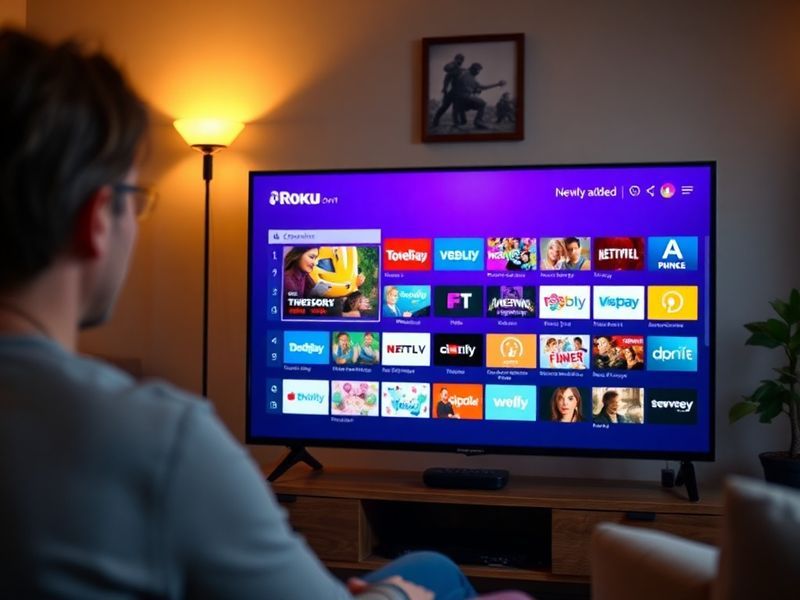
The platform’s algorithm also plays a role in surfacing new content. Roku’s “Featured Free” section highlights recently added channels, giving smaller creators a chance to compete with established names. For users, this means discovering hidden gems that might not appear on other platforms. The result is a dynamic library that refreshes constantly, ensuring there’s always something new to explore.
Key Trends in Roku’s Latest Channel Additions
The most notable trend is the rise of niche streaming services. While major platforms focus on blockbuster content, Roku’s newer channels often prioritize specificity. Here are some patterns worth noting:
- Localized Content: Channels like Local Now and NewsON deliver hyper-regional news, weather, and traffic updates, appealing to users who want to stay connected to their communities.
- International Libraries: Platforms such as Kocowa (Korean dramas) and Viki (global TV series) have expanded their Roku presence, catering to non-English-speaking audiences.
- Live Sports Alternatives: Channels like Fubo Sports Network and Tennis Channel Plus offer live events for fans of less mainstream sports.
- Retro and Nostalgic Content: Services such as MST3K Universe and Comedy Dynamics provide classic TV and stand-up specials, attracting older demographics and younger nostalgia seekers alike.
- Interactive Experiences: A handful of new channels experiment with interactive storytelling, blending gaming mechanics with traditional TV formats.
The Impact on Consumers and Creators
For viewers, the influx of new channels creates both opportunity and challenge. On one hand, the sheer volume of options makes it easier to find content tailored to niche interests. On the other, sifting through hundreds of channels can feel like a full-time job. Roku’s search and recommendation tools mitigate this somewhat, but users still need to curate their own libraries carefully.
For creators, Roku’s openness is a double-edged sword. While the platform offers unparalleled reach, monetization remains inconsistent. Many new channels rely on ad-supported models, which can be lucrative but unpredictable. Others experiment with subscription tiers or pay-per-view events. The lack of a unified revenue-sharing system means success often depends on a channel’s ability to stand out in a crowded market.
The broader streaming industry watches Roku’s evolution closely. As traditional cable TV declines, platforms like Roku act as testing grounds for alternative distribution models. The success of a niche channel on Roku could signal a shift in how audiences consume media, prioritizing accessibility over mass appeal.
How to Find and Evaluate New Channels
Not all new channels are worth your time. Here’s how to separate the promising from the forgettable:
- Check the Reviews: Roku’s channel store includes user ratings and reviews. Look for patterns—consistent praise or complaints can reveal a channel’s strengths or flaws.
- Sample the Content: Many channels offer free trials or limited free episodes. Take advantage of these to gauge quality before committing to a subscription.
- Watch for Updates: A channel’s last update date matters. Stagnant content libraries often indicate a lack of investment or interest from creators.
- Consider the Source: Channels affiliated with reputable media companies (e.g., PBS, BBC) tend to offer more reliable content than unknown developers.
- Monitor Your Usage: If you’re not watching a channel regularly after a month, it’s probably not essential to your Roku library.
Roku also categorizes channels by genre, making it easier to find additions in your preferred niche. For example, the Entertainment section highlights new film and TV channels, while the Sports category spotlights live-event services. Browsing these sections can save time and reveal hidden options.
Looking Ahead: The Future of Roku’s Channel Ecosystem
Roku’s commitment to expanding its channel library shows no signs of slowing. With advancements in AI-driven recommendations and the rise of FAST (Free Ad-Supported Streaming TV) channels, the platform is evolving into more than just a hub for traditional streaming services. Expect to see:
- More Personalized Recommendations: Roku’s algorithms will likely become more sophisticated, tailoring suggestions based on viewing habits and even social media activity.
- Hybrid Viewing Experiences: Channels that blend live TV with on-demand content (similar to YouTube TV) could gain traction as users seek flexibility.
- Gaming Integration: With Roku’s acquisition of the Blade cloud gaming service, future channels may merge entertainment and interactive media.
- Global Expansion: As internet connectivity improves worldwide, Roku will likely prioritize channels that cater to international audiences, particularly in Latin America and Southeast Asia.
The streaming wars aren’t just about who has the most subscribers—they’re about who can offer the most diverse and engaging content. Roku’s role as an aggregator positions it uniquely in this battle, acting as a bridge between creators and audiences. For users willing to explore beyond the mainstream, the platform remains a treasure trove of undiscovered channels.
Ultimately, the value of Roku’s new channels depends on how you use them. Treat your channel library like a curated collection rather than a dumping ground. Prioritize quality over quantity, and you’ll find that even the smallest additions can enrich your streaming experience.