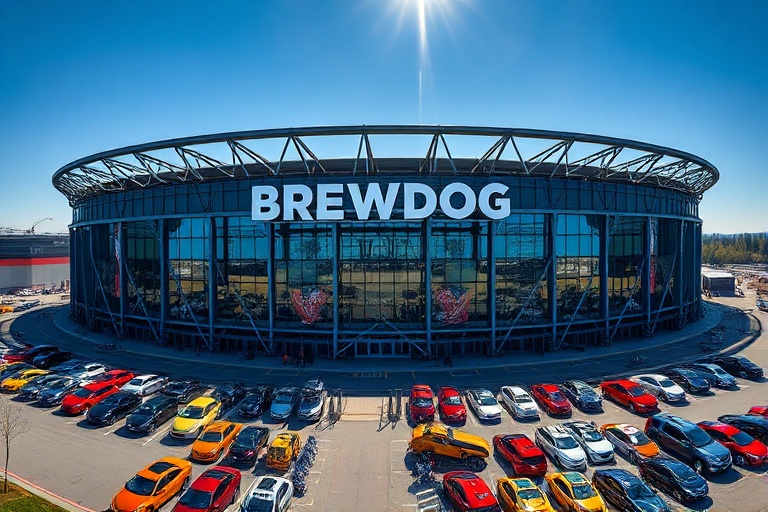
In the heart of Falkirk, Scotland, a venue is redefining what it means to watch live sports. BrewDog Stadium, home to Falkirk FC and the Scottish Women’s Premier League team, stands out not just for its athletics but for its commitment to craft beer culture. The stadium, which opened in 2004, underwent a major transformation in 2023 when it became the first football ground in the country to partner with BrewDog, one of the world’s most recognizable craft beer brands.
The Vision Behind BrewDog’s Stadium Partnership
BrewDog’s involvement at the stadium began as a natural extension of the company’s ethos: challenging conventions while fostering community. The brewery, founded in 2007 in nearby Aberdeenshire, has long been a disruptor in the beer industry. Its decision to sponsor Falkirk FC and renovate the stadium’s hospitality areas reflects a shared belief in local pride and innovation.
The partnership includes a dedicated BrewDog bar inside the stadium, offering fans a rotating selection of craft beers—from IPAs to stouts—brewed at BrewDog’s nearby Livingston facility. This collaboration also extends to fan experiences, with match-day promotions and exclusive tastings that blend sport and craft culture in ways previously unseen in Scottish football.
“Football clubs are about more than just 90 minutes,” said a BrewDog spokesperson. “They’re gathering places, community hubs. We wanted to bring that same energy to the beer experience.” The move has not only elevated the match-day atmosphere but also positioned the stadium as a destination for beer enthusiasts beyond game days.
Design and Fan Experience: A Modern Take on a Classic Venue
BrewDog Stadium, originally known as Falkirk Stadium, was built to replace the club’s former ground and was designed with functionality and accessibility in mind. The stadium’s 7,937 capacity makes it one of Scotland’s mid-sized football venues, but its recent upgrades have given it a contemporary edge. The BrewDog bar, located in the main stand, features reclaimed wood finishes, neon signage, and a tasting counter where fans can sample limited-edition brews.
The brewery’s influence is also visible in the stadium’s family zone, where non-alcoholic craft beers and local soft drinks are served. This inclusivity reflects BrewDog’s broader mission to make craft beverages accessible to all ages and backgrounds. During non-match days, the stadium hosts community events, beer festivals, and even yoga classes—transforming it into a year-round cultural hub.
Accessibility has been a key focus. The stadium now offers sensory-friendly match days, quiet rooms, and sensory bags for neurodivergent fans, aligning with both Scottish FA guidelines and BrewDog’s inclusive brand values. These changes have earned praise from disability advocacy groups and positioned BrewDog Stadium as a leader in fan-centric design.
Impact on Falkirk FC and Local Economy
For Falkirk FC, the partnership with BrewDog has brought tangible benefits. Match attendance has seen a steady increase, particularly among younger demographics drawn by the craft beer appeal. The club’s commercial revenue has grown, allowing investment in youth academies and women’s team development—areas often underfunded in lower-league football.
A study by the University of Stirling found that the stadium’s revamp contributed an estimated £2.3 million annually to the local economy, through increased spending at nearby pubs, restaurants, and transport hubs. Fans traveling for BrewDog events often extend their stays, booking accommodation and exploring Falkirk’s attractions, such as the nearby Kelpies and Callendar House.
The economic boost extends to BrewDog itself. The company has cited Falkirk as a model for future stadium partnerships, with plans to replicate the model at other clubs across the UK. This strategy not only expands BrewDog’s market reach but also strengthens its reputation as a brand that supports grassroots football and local communities.
Looking Ahead: The Future of Craft Beer in Sports Venues
BrewDog Stadium’s success raises important questions about the future of sports venues. As fans increasingly seek unique experiences beyond the game, stadiums are evolving into multi-purpose destinations. The integration of craft breweries, food halls, and entertainment zones could become the norm, particularly in smaller clubs where revenue diversification is critical.
Industry analysts point to a growing trend: beer partnerships are no longer just sponsorships but core components of venue identity. Clubs like Burton Albion in England and FC Dallas in the U.S. have followed suit, teaming up with local breweries to create signature match-day experiences. BrewDog Stadium, however, remains the first to fully embed a craft beer brand into its operational DNA.
There are challenges, of course. Balancing beer culture with family-friendly environments requires careful planning. Alcohol consumption policies, licensing laws, and fan safety must all be considered. Yet BrewDog’s approach—emphasizing quality, variety, and inclusivity—offers a blueprint for others to follow.
As Falkirk FC continues its journey in the Scottish Championship, and BrewDog expands its global footprint, their partnership at the stadium serves as a case study in innovation. It proves that sports venues can be more than just places to watch a game—they can be cultural landmarks where beer, community, and competition intersect.
For fans, the experience is simple but powerful: enjoy a pint of Elvis Juice IPA while cheering on your team, knowing you’re part of something that’s redefining the future of football culture.
To explore more about how craft culture is influencing sports venues, visit our Sports section. For deeper analysis on the business side of stadium partnerships, check out our Business category.