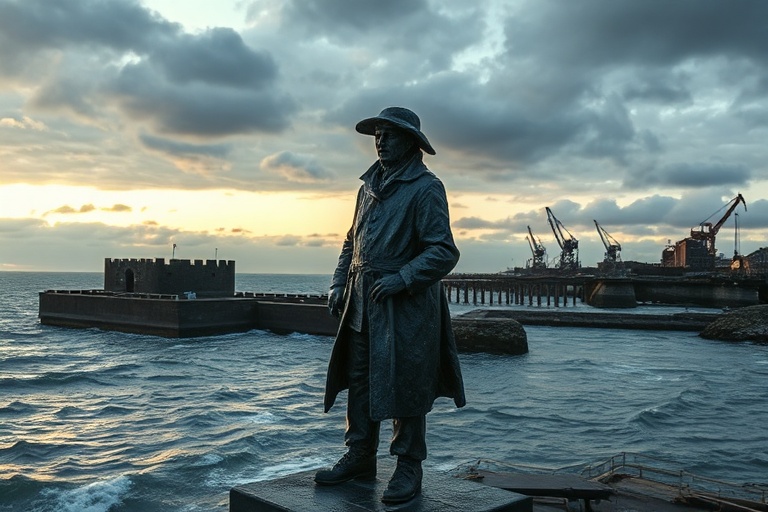
Nestled on the North Sea coast of England, Hartlepool is a town that often slips under the radar despite its rich history and cultural significance. With a population of around 90,000, it’s a place where industrial heritage meets coastal charm, offering a unique blend of tradition and modernity. But Hartlepool’s story extends far beyond its local boundaries, resonating in ways that connect it to global narratives of resilience, innovation, and identity.
Historically, Hartlepool’s fortunes have been tied to its port. Founded by Anglo-Saxon settlers, the town became a key maritime hub during the Industrial Revolution. Its shipbuilding industry flourished in the 19th and early 20th centuries, contributing to Britain’s naval dominance. Today, the remnants of this industrial past are preserved in museums like the Hartlepool Maritime Experience, which celebrates the town’s seafaring legacy. Yet, like many former industrial centers, Hartlepool has faced economic challenges, particularly with the decline of traditional industries in the late 20th century. The closure of shipyards and the reduction of port activities forced the town to reinvent itself, a process that continues to shape its present identity.
The Cultural Fabric of Hartlepool
Hartlepool’s cultural landscape is a tapestry woven from its working-class roots, immigrant communities, and artistic endeavors. The town has a strong tradition of storytelling, music, and visual arts, often reflecting the struggles and triumphs of its people. One of its most famous cultural exports is the legend of the “Hartlepool Monkey,” a tale that has become a symbol of the town’s resilience and humor. According to folklore, during the Napoleonic Wars, French sailors washed ashore near Hartlepool and were mistaken for monkeys by local children. The story has been passed down through generations, embodying the town’s ability to find levity in hardship.
The town’s artistic scene is vibrant, with local galleries and performance spaces showcasing both emerging and established talent. The Hartlepool Arts Centre is a hub for creative expression, hosting exhibitions, theater productions, and live music. Additionally, Hartlepool’s multicultural communities have enriched its cultural tapestry. The town has seen waves of immigration, particularly from South Asia and Eastern Europe, which have brought new traditions, cuisines, and perspectives. This diversity is celebrated in local festivals, food markets, and community events, making Hartlepool a microcosm of global cultural exchange.
Economic Evolution and Global Links
Hartlepool’s economic journey mirrors that of many post-industrial towns in the UK and beyond. The decline of shipbuilding and manufacturing in the late 20th century left a void that the town has worked to fill. Today, Hartlepool’s economy is diversifying, with sectors like renewable energy, advanced manufacturing, and digital services gaining traction. The town is home to the Hartlepool Nuclear Power Station, a key player in the UK’s energy sector, and is increasingly positioning itself as a hub for green technology. The development of the Hartlepool Freeport, announced in 2021, aims to boost trade and investment, creating jobs and fostering economic growth.
Hartlepool’s global connections extend beyond economics. The town has a sister city relationship with the German town of Muskegon, Michigan, fostering cultural and educational exchanges. Additionally, Hartlepool’s port remains a vital link in international trade, handling goods from across Europe and beyond. The town’s proximity to major shipping routes underscores its role in the global supply chain, a role that has only grown in importance with the rise of e-commerce and just-in-time manufacturing.
Key Industries in Hartlepool Today
- Renewable Energy: Home to wind farms and plans for further expansion in solar and tidal energy.
- Advanced Manufacturing: Companies specializing in engineering and fabrication, supporting sectors like aerospace and automotive.
- Digital Services: A growing tech sector, with startups and remote workers contributing to the local economy.
- Tourism: Leveraging its coastal attractions, maritime history, and cultural sites to attract visitors.
Hartlepool in the Global Context
From a global perspective, Hartlepool represents a case study in post-industrial transformation. Towns like Hartlepool can be found in many parts of the world, from the rust belts of the United States to the industrial heartlands of Germany and Japan. These places often grapple with similar challenges: economic decline, population loss, and the need to redefine their identities. Hartlepool’s ability to adapt—through innovation, cultural preservation, and strategic investments—offers lessons for other communities facing similar transitions.
The town’s story also highlights the importance of local identity in a globalized world. Hartlepool’s unique traditions, such as the Monkey legend and its maritime heritage, serve as anchors in an increasingly interconnected world. These cultural touchstones provide a sense of belonging and continuity, reminding residents and visitors alike of the town’s enduring character.
Moreover, Hartlepool’s experiences with immigration and multiculturalism reflect broader global trends. As populations become more mobile, towns like Hartlepool are becoming microcosms of global diversity. This diversity enriches local life but also presents challenges, particularly in fostering social cohesion. Hartlepool’s efforts to integrate new communities while preserving its traditions offer a model for other towns navigating similar transitions.
Looking Ahead: Hartlepool’s Future
The future of Hartlepool is a blend of promise and uncertainty. On one hand, the town’s strategic investments in renewable energy, digital services, and infrastructure suggest a path toward sustainable growth. The Hartlepool Freeport, for instance, has the potential to revitalize the local economy by attracting businesses and creating jobs. On the other hand, challenges remain. Brexit has disrupted trade patterns, and the ongoing shift to a green economy requires significant investment and workforce training.
Culturally, Hartlepool’s ability to preserve its identity while embracing change will be crucial. The town’s artistic and community initiatives play a vital role in fostering a sense of pride and belonging. As Hartlepool continues to evolve, its story will likely resonate with other communities around the world, serving as both a cautionary tale and an inspiration for post-industrial renewal.
For visitors and residents alike, Hartlepool offers a glimpse into the complexities of modern life. It’s a town where history and progress coexist, where challenges are met with resilience, and where cultural identity is both a source of strength and a work in progress. Whether exploring its maritime museums, strolling along its coastal paths, or experiencing its vibrant arts scene, one thing is clear: Hartlepool is a town that refuses to be forgotten.