How IPL Standings Shape Cricket’s Global Landscape and Fan Culture
Understanding IPL Standings: A Global Perspective on India’s Premier Cricket League
The Indian Premier League (IPL) has evolved from a domestic cricket tournament into a global sporting spectacle. With teams representing cities across India, the league attracts top talent from around the world, blending athletic excellence with entertainment. At the heart of the IPL’s competitive structure lies its standings—a dynamic reflection of team performance, strategy, and consistency.
The standings determine playoff qualifications, seeding, and ultimately, the championship chase. Unlike traditional leagues where standings are static, the IPL’s format introduces weekly shifts in rankings based on match outcomes, net run rates, and head-to-head records. This creates a narrative that unfolds over two months, captivating millions of fans across continents.
The Structure of IPL Standings: Points, Net Run Rates, and Tiebreakers
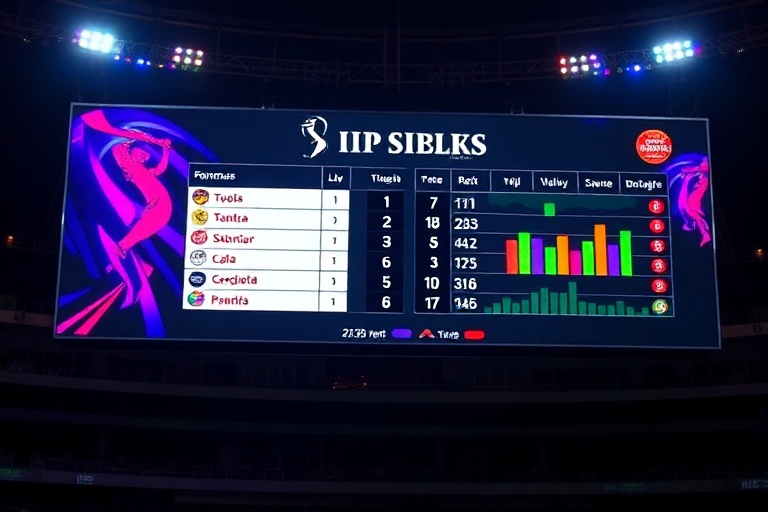
The IPL follows a round-robin format where each of the 10 teams plays 14 matches before the playoffs. Points are awarded as follows:
- 2 points for a win
- 1 point each for a no result or abandoned match
- 0 points for a loss
Standings are ranked primarily by total points. However, when teams finish with equal points, net run rate (NRR) becomes the deciding factor. NRR measures the difference between runs scored and conceded per over, adjusted for match context. This metric often sparks debate, as a single thrashing in a low-scoring game can dramatically alter a team’s position.
Other tiebreakers include:
- Head-to-head records between tied teams
- Number of wins
- Total wins against other teams in the top positions
This layered system ensures fairness but also adds complexity. Fans and analysts dissect standings weekly, searching for patterns that could influence playoff scenarios. In 2023, the Gujarat Titans’ strong NRR secured their playoff spot despite fewer wins than some competitors, highlighting how secondary metrics shape destiny.
Global Influence: How IPL Standings Shape Player Careers and Team Strategies
The IPL isn’t just a domestic league—it’s a global cricket ecosystem. Standings influence player transfers, endorsements, and even national team selections. Performances in high-pressure IPL matches often translate into opportunities for international representation. For instance, young talents like Yashasvi Jaiswal and Tilak Varma rose to prominence through consistent IPL showings, earning spots in India’s national squad.
Teams also adjust strategies based on standings. A side struggling near the bottom may prioritize youth development or overseas signings to bolster its campaign. Conversely, a top-ranked team might focus on squad rotation to maintain fitness for playoffs. The standings act as a strategic compass, guiding decisions from auction purchases to in-game tactics.
Internationally, the IPL’s impact is visible in leagues like the Big Bash League in Australia or the Caribbean Premier League, where teams emulate IPL-style strategies. Broadcasters worldwide schedule prime-time slots to cater to global audiences, turning standings into a shared conversation across time zones.
Cultural Phenomenon: How Standings Drive Fan Engagement and Commercial Value
IPL standings transcend sport—they fuel a cultural phenomenon. Fans track rankings with the intensity of stock market traders, debating every win, loss, and tiebreaker. Social media platforms explode with memes, polls, and heated arguments about “deserving” positions. The standings become a narrative device, shaping storylines for broadcasters and sponsors.
Brands leverage the standings for campaigns. A team in playoff contention may see a surge in jersey sales, while a star player’s performance in high-stakes matches can trigger endorsement deals. The standings also influence broadcast rights negotiations, as networks seek to secure matches featuring top-ranked teams to maximize viewership.
In regions like South Asia, Africa, and the Middle East, the IPL has redefined cricket’s calendar. Standings are discussed in schools, workplaces, and local cricket clubs, embedding the league into daily life. The IPL’s global reach is evident in its fanbase, with supporters from London to Sydney analyzing standings with equal fervor.
The Road to the Playoffs: Standings as a Storytelling Device
The climax of the IPL season revolves around the standings’ final configurations. The top four teams advance to the playoffs, where standings determine seeding and matchups. This stage amplifies the stakes—teams fight not just for wins, but for favorable positions that ease their path to the final.
Historically, the team finishing first in the standings has not always won the championship. In 2020, the Mumbai Indians clinched the title despite finishing fifth in the league stage, thanks to a dominant playoff run. This unpredictability adds drama, as standings serve as a prelude rather than a prophecy.
The playoffs introduce a knockout format, where one loss can end a season. Standings become a double-edged sword—while they secure a team’s place, they also expose vulnerabilities. The pressure intensifies, and the league’s narrative shifts from consistency to clutch performances.
Conclusion: The IPL Standings as a Mirror of Sport’s Global Evolution
The IPL standings are more than numbers—they are a living, breathing reflection of teamwork, strategy, and spectacle. They bridge local pride with global fandom, turning a cricket league into a cultural touchstone. As the IPL expands its footprint, the standings will continue to evolve, shaped by new teams, players, and innovations.
For fans, the standings offer a weekly pulse on the league’s drama. For players, they represent opportunity and accountability. For the sport itself, they underscore cricket’s transformation into a year-round, globally connected phenomenon. The IPL’s standings are not just a ranking system; they are the heartbeat of a sporting revolution.