How ‘Tormenta’ Became a Symbol of Modern Chaos
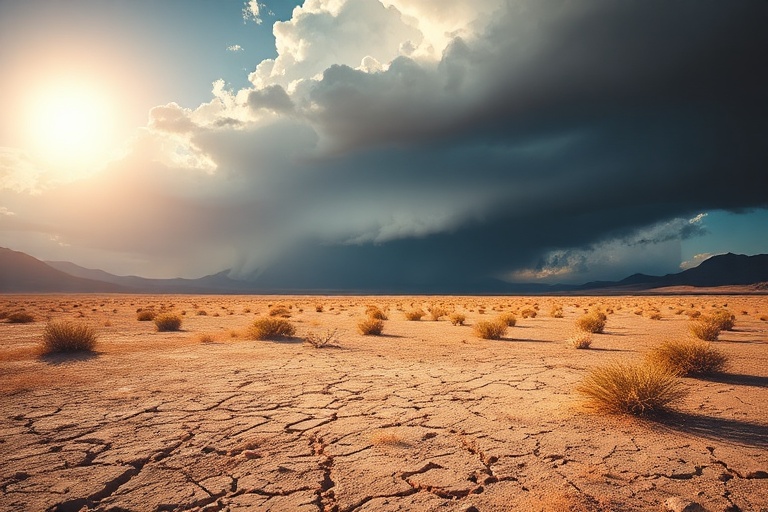
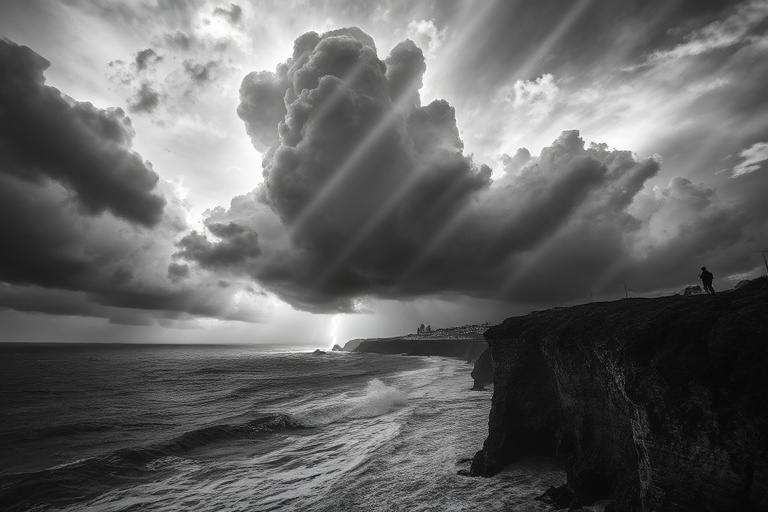
Tormenta isn’t just a word in Spanish for “storm.” It’s become a phenomenon that stretches beyond meteorology, embedding itself in culture, technology, and even economics. What began as a term for natural disasters has evolved into a symbol—one that reflects how language adapts to modern pressures. This isn’t about another tropical system making headlines. It’s about a word carrying weight, context, and consequence in ways few anticipated.
The Linguistic Evolution of “Tormenta”
Language is fluid, constantly shaped by usage, necessity, and cultural shifts. “Tormenta” has followed this path, moving from literal to metaphorical in everyday speech. Originally rooted in weather terminology, the word now surfaces in discussions about digital storms, social upheaval, and even personal turmoil. This semantic expansion mirrors how societies process disruption—whether in the skies or on screens.
Spanish speakers, especially in regions prone to hurricanes or political unrest, have long used “tormenta” to describe chaos beyond the atmospheric. Today, the word appears in headlines about data breaches, market crashes, and viral controversies. The transition reflects a broader trend: words once confined to specific domains now serve as versatile descriptors for any form of turbulence.
This linguistic flexibility isn’t accidental. It’s a response to an era where disruption is constant. When a single tweet can trigger a corporate crisis, or a sudden algorithm change can upend an entire industry, language evolves to capture the speed and scale of change. “Tormenta” has become shorthand for that moment when order breaks down—regardless of the cause.
Tormenta in the Digital Age: From Metaphor to Reality
Digital storms are the new norm. From cyberattacks to social media firestorms, the internet amplifies chaos in ways weather systems never could. The term “tormenta digital” has emerged to describe these digital tempests, where misinformation spreads faster than corrections and reputations can crumble in hours. Unlike a hurricane, which leaves physical damage in its wake, a digital tormenta leaves psychological and reputational scars.
Consider the 2020 Twitter hack that saw high-profile accounts compromised. The fallout wasn’t measured in wind speeds but in lost trust and market value. Similarly, when a viral video ignites a backlash against a brand, the damage lingers long after the storm passes. These aren’t fleeting moments. They’re systemic shifts in how information—and accountability—operate.
Platforms like Twitter (now X) and Facebook have had to develop new tools to predict and mitigate these storms. AI-driven moderation systems now scan for inflammatory content before it escalates. Yet, the challenge remains: Can technology outpace the speed at which a tormenta digital forms? The answer isn’t clear. What is clear is that the digital landscape demands a new kind of resilience—one where preparation isn’t just about survival but about adaptation.
Key Characteristics of a Tormenta Digital
- Velocity: Information spreads at speeds impossible to contain, often before facts are verified.
- Amplification: Social algorithms prioritize engagement, turning localized issues into global phenomena.
- Durability: Unlike a weather storm, digital fallout can persist for years, resurfacing with new contexts.
- Unpredictability: The triggers range from genuine crises to manufactured controversies, making prevention nearly impossible.
- Cross-platform Impact: A tormenta digital rarely stays confined to one platform, jumping from Twitter to TikTok to mainstream media.
Tormenta as a Cultural Mirror
Beyond its linguistic and digital roles, “tormenta” has seeped into cultural narratives. Films, music, and literature now use the term to explore themes of chaos, resilience, and transformation. In Latin American cinema, for example, tormentas often symbolize societal fractures—corruption, inequality, or political unrest. These stories resonate because they reflect real-world struggles, where storms aren’t just weather events but metaphors for systemic failures.
Music has also embraced the concept. Artists like Bad Bunny and Rosalía have referenced tormentas in lyrics that blend personal and political themes. These references aren’t just poetic devices. They’re cultural artifacts, capturing the anxiety of living in an era where stability feels elusive. Whether it’s a hurricane in Puerto Rico or the “storm” of gentrification in Los Angeles, the word bridges individual and collective experiences.
This cultural adoption highlights a deeper truth: society is increasingly comfortable using natural imagery to describe man-made problems. It’s a way to grapple with complexity, to frame intangible issues in terms that feel tangible. In doing so, “tormenta” becomes more than a word. It becomes a lens through which we understand the world.
The Broader Implications: Why Tormenta Matters
The evolution of “tormenta” isn’t just a linguistic curiosity. It’s a symptom of broader shifts in how we perceive and respond to chaos. In an age where disruption is the default, language adapts to fill the gaps between cause and effect. Words like “tormenta” help us process the unprocessable—the sudden, the unexpected, the overwhelming.
This has implications for communication, policy, and even mental health. For communicators, understanding the metaphorical weight of “tormenta” means crafting messages that resonate in turbulent times. For policymakers, it’s a reminder that crises aren’t just physical but perceptual. And for individuals, it’s a call to develop resilience—not just against storms, but against the narratives that frame them.
Consider the mental health toll of constant disruption. Studies show that prolonged exposure to “digital storms” increases anxiety and burnout. The language we use to describe these experiences shapes how we cope. Calling a crisis a “tormenta” might feel dramatic, but it also acknowledges the reality of the struggle. It validates the experience of being overwhelmed.
Ultimately, “tormenta” is a word that encapsulates the zeitgeist. It’s a reminder that chaos isn’t an exception to modern life—it’s the norm. The challenge isn’t just surviving the storm. It’s learning to navigate it.
Looking Ahead: The Future of Tormenta
As technology advances, the concept of tormenta will likely expand further. Virtual reality storms, AI-driven disinformation campaigns, and algorithmic accountability crises could all become part of the lexicon. The word may evolve into something entirely new—or splinter into multiple terms, each capturing a distinct flavor of chaos.
One thing is certain: the need for clarity in turbulent times will only grow. Whether it’s a hurricane, a market crash, or a viral scandal, society will continue to rely on language to make sense of the world. “Tormenta” is more than a word. It’s a tool for understanding, a warning, and a call to action.
In the end, the storms we face may be inevitable. But how we weather them? That’s up to us.
For more on how language shapes our understanding of disruption, explore our Analysis and Culture sections.