St. Louis Cardinals: History, Legacy, and Baseball Excellence
St. Louis Cardinals: A Legacy of Excellence in Baseball
The St. Louis Cardinals stand as one of Major League Baseball’s most storied franchises, celebrated for their rich history, passionate fan base, and consistent success. Founded in 1882, the Cardinals have evolved from a fledgling team in the American Association to a perennial powerhouse in the National League. With 11 World Series titles and 23 league pennants, their legacy is unmatched in terms of championships and cultural impact in baseball. The team’s identity is deeply intertwined with the city of St. Louis, where baseball isn’t just a sport—it’s a tradition.
What sets the Cardinals apart isn’t just their trophy case, but their ability to adapt while maintaining a connection to their roots. From the Gashouse Gang of the 1930s to the dynamic roster of today, the franchise has consistently balanced innovation with tradition. This duality has allowed them to thrive in an era where baseball is increasingly dominated by analytics and global talent. The Cardinals’ farm system, known for developing top-tier talent, has been a cornerstone of their sustained success.
The Cardinals’ Hall of Fame Legacy
The St. Louis Cardinals have been home to some of the greatest players in baseball history, many of whom have been enshrined in the National Baseball Hall of Fame. The franchise’s Hall of Fame alumni read like a who’s who of the sport, including legends such as Stan Musial, Bob Gibson, and Ozzie Smith. Musial, known as “Stan the Man,” spent his entire 22-year career with the Cardinals, amassing 3,630 hits and a .331 batting average. His consistency and leadership remain the gold standard for franchise icons.
Bob Gibson, a dominant pitcher from the 1960s and 1970s, redefined the role of a starting pitcher with his intimidating presence and unparalleled competitiveness. His 1968 season, where he posted a 1.12 ERA, is one of the most legendary in baseball history. Meanwhile, Ozzie Smith, the “Wizard of Oz,” revolutionized the shortstop position with his defensive brilliance and acrobatic plays. These players didn’t just excel individually; they shaped the identity of the franchise and left an indelible mark on the game.
The Cardinals’ commitment to excellence extends beyond their Hall of Fame players to their leadership. Managers like Tony La Russa and Red Schoendienst guided the team to multiple championships, emphasizing a blend of strategy and player development. La Russa’s tenure, in particular, was defined by his innovative use of bullpen arms and data-driven decision-making, a precursor to the modern analytics era. This leadership has ensured that the Cardinals remain a model organization in baseball.
The Modern Cardinals: A Blend of Youth and Experience
In recent years, the Cardinals have continued to build competitive rosters by blending experienced veterans with emerging young talent. The team’s farm system, often ranked among the best in baseball, has produced stars like Paul Goldschmidt and Jack Flaherty. Goldschmidt, a first baseman acquired in 2019, has been a cornerstone of the offense, providing power and consistency while winning a Gold Glove and MVP award. His leadership in the clubhouse has been invaluable for a franchise that values character as much as skill.
The pitching staff has also been a strength, with Flaherty emerging as a frontline starter. His ability to overpower hitters with a mid-90s fastball and sharp breaking ball has made him a key piece of the rotation. The Cardinals’ bullpen, anchored by closer Ryan Helsley, has been equally reliable, often closing out tight games with precision. This balance of young talent and seasoned professionals reflects the organization’s philosophy of sustained success rather than quick fixes.
Off the field, the Cardinals have also embraced innovation. The team was an early adopter of advanced analytics, using data to optimize player performance and scouting. Their investment in technology extends to their stadium, Busch Stadium, where upgrades have enhanced the fan experience while preserving the intimate feel of a classic ballpark. This forward-thinking approach ensures that the Cardinals remain relevant in an evolving sports landscape.
The Cardinals’ Fan Culture: A Community United by Baseball
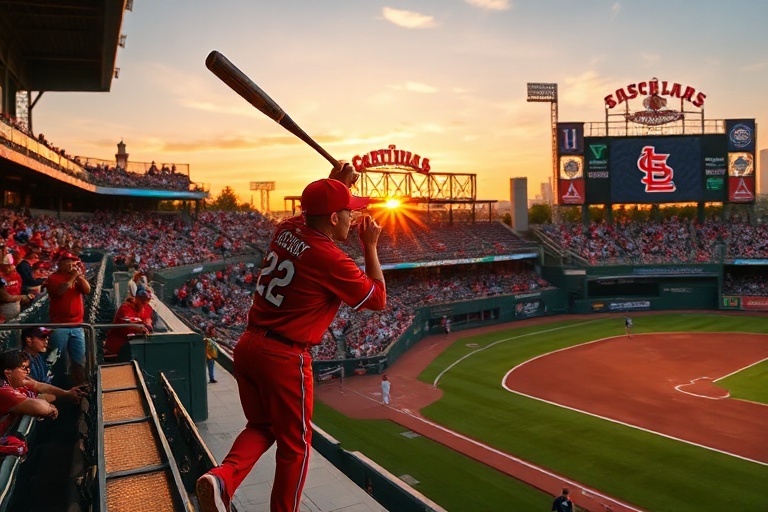
No discussion of the St. Louis Cardinals would be complete without acknowledging their fans, known for their unwavering passion and loyalty. The “Cardinal Nation” is a global community of supporters who travel from near and far to cheer on their team, creating an electric atmosphere at Busch Stadium. The sea of red on game days is a testament to the franchise’s deep-rooted connection with its city and fans. This loyalty is reciprocated by the organization, which has made fan engagement a priority through community initiatives and accessibility.
The Cardinals’ community outreach programs, such as the “Cardinals Care” foundation, reflect their commitment to making a difference beyond baseball. The foundation has donated millions to children’s health initiatives and disaster relief efforts, further cementing the team’s role as a pillar of the St. Louis community. This bond between the team and its fans is a rare and cherished aspect of modern sports, where commercialization often overshadows authenticity.
The team’s history is also preserved through the St. Louis Cardinals Hall of Fame Museum, located inside Busch Stadium. The museum offers fans a journey through the franchise’s past, showcasing memorabilia, interactive exhibits, and tributes to the legends who shaped the team. For many fans, visiting the museum is a pilgrimage—a way to connect with the history and heritage of their beloved Cardinals.
Challenges and the Path Forward
Despite their storied history, the Cardinals have faced their share of challenges in recent years. The team’s inability to advance past the National League Championship Series in multiple postseasons has raised questions about their ability to perform in high-pressure moments. Injuries to key players and the loss of core contributors have also tested the organization’s depth. However, the Cardinals’ front office has responded with a mix of patience and urgency, making strategic moves to bolster the roster for sustained competitiveness.
One of the most significant challenges has been navigating the competitive landscape of the National League Central, where teams like the Chicago Cubs and Milwaukee Brewers have posed consistent threats. The Cardinals’ ability to stay relevant in this division speaks to their resilience and adaptability. The organization’s focus on player development and smart acquisitions has allowed them to remain in contention, even as younger teams push for dominance.
Looking ahead, the Cardinals are positioned to build on their foundation of talent and tradition. With a core of young stars and a commitment to excellence in scouting and development, the franchise is well-equipped to compete at the highest level. The challenge will be balancing the expectations of a passionate fan base with the realities of a tough division and an unpredictable sport. If history is any indication, the Cardinals will meet these challenges with the same determination and class that have defined their legacy.
The Cardinals’ Impact on Baseball and Beyond
The St. Louis Cardinals’ influence extends beyond their on-field success. The franchise has played a pivotal role in shaping the culture of baseball, from pioneering the use of analytics to setting the standard for player development. Their approach to building a team has been studied and emulated by other organizations, making them a model of consistency in a sport often defined by unpredictability. This impact is a testament to the Cardinals’ commitment to innovation while staying true to their roots.
The Cardinals have also been at the forefront of social initiatives in baseball. Their support for diversity and inclusion has been evident in their hiring practices and community programs. The team’s “42 Forward” initiative, which celebrates Jackie Robinson’s legacy, highlights their dedication to honoring baseball’s history while promoting progress. These efforts underscore the Cardinals’ role as not just a sports team, but a force for positive change in their community and the sport at large.
As the Cardinals continue to write the next chapter of their storied history, their legacy serves as a reminder of what makes baseball special. It’s a sport where tradition and innovation coexist, where players become legends, and where fans form lifelong bonds with their team. The St. Louis Cardinals embody all of these elements, making them one of the most respected and beloved franchises in sports.
For fans old and new, the Cardinals offer more than just baseball—they offer a connection to a shared history and a promise of future excellence. Whether it’s the crack of the bat at Busch Stadium, the roar of the crowd on a playoff night, or the stories of legends past, the Cardinals remain a symbol of what makes baseball timeless. In a sport that constantly evolves, the St. Louis Cardinals stand as a beacon of tradition, resilience, and unwavering passion.