India vs Pakistan Cricket Rivalry: Why It Captivates the World
Why the India-Pakistan Cricket Rivalry Captivates Millions
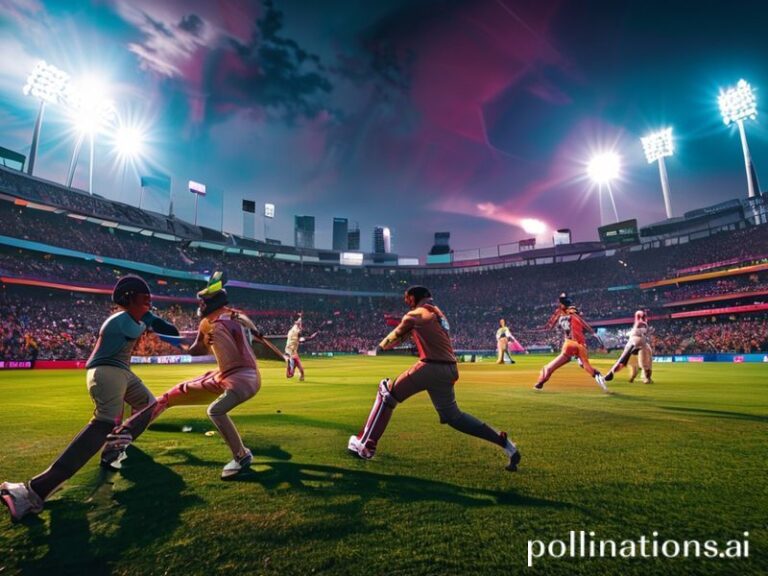
The India-Pakistan cricket rivalry is one of the most intense sporting contests in the world. Matches between the two nations transcend mere sport, becoming cultural events that unite and divide millions of fans. This rivalry is more than just about runs and wickets; it reflects historical tensions, political narratives, and deep-seated emotions tied to national identity.
Cricket has long been a unifying force in South Asia, but nowhere is its power more evident than in the contests between these two neighbors. The first official match between India and Pakistan took place in 1952, marking the beginning of a rivalry that would grow into a global spectacle. Today, these matches draw viewership numbers that dwarf even the most anticipated international fixtures.
The Origins of a Fierce Rivalry
The division of British India in 1947 created two independent nations with shared history but divergent paths. Cricket became a symbolic battleground where national pride was asserted and contested. While the two countries have fought multiple wars, cricket matches provided a controlled environment for competition without violence.
The 1986 Javed Miandad last-ball six in Sharjah remains one of the most iconic moments in cricket history, forever etched in the memories of Pakistani fans. Similarly, the 1987 World Cup encounter in Bangalore, where Chetan Sharma took the winning wicket, is celebrated in India as a moment of triumph. These moments are not just sporting highlights; they are cultural touchstones that reinforce national narratives.
Cultural Impact Beyond the Boundary
The India-Pakistan rivalry extends far beyond the cricket field. In both countries, cricket is deeply intertwined with national identity. For many Indians, cricket is a source of pride that cuts across linguistic and regional divides. In Pakistan, cricket has often been a symbol of resilience in the face of political and economic challenges.
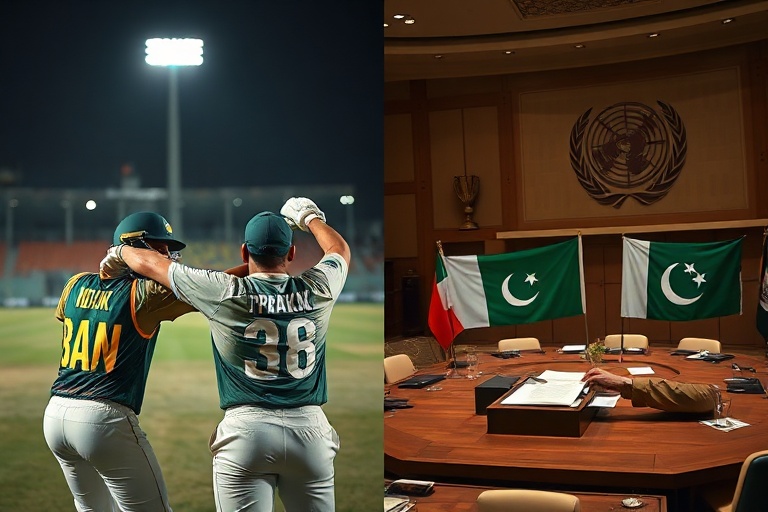
Fans on both sides treat these matches with almost religious fervor. Streets empty during games. Social media platforms explode with debates, memes, and passionate commentary. The rivalry has even influenced diplomatic relations, with cricket diplomacy often used as a tool to ease tensions between the two nations.
Yet, this rivalry is not without controversy. Accusations of biased umpiring, political interference, and allegations of match-fixing have occasionally marred the contests. Despite these challenges, the allure of an India-Pakistan match remains undiminished, drawing global attention unlike any other sporting event in the subcontinent.
Global Audience and Commercial Power
The India-Pakistan rivalry commands one of the largest television audiences in the world. The 2011 World Cup semifinal between the two nations drew over 988 million viewers, making it one of the most-watched cricket matches in history. The 2023 ODI World Cup clash in Ahmedabad shattered records, with over 1.25 billion global viewers tuning in.
This massive viewership has turned the rivalry into a commercial juggernaut. Broadcasters pay record sums for broadcast rights, while brands eagerly associate themselves with the spectacle. The economic stakes are enormous, with sponsorships, merchandise sales, and advertising revenues reaching unprecedented levels.
International cricket boards also benefit significantly. The Board of Control for Cricket in India (BCCI) and Pakistan Cricket Board (PCB) earn millions from hosting these matches. The financial incentives ensure that despite political tensions, the rivalry will continue to thrive on the global stage.
Future of the Rivalry: Challenges and Opportunities
The future of the India-Pakistan cricket rivalry faces both challenges and opportunities. Political tensions have led to cancellations of bilateral series, most notably after the 2019 Pulwama attack. However, the rivalry has found new life in multi-nation tournaments like the ICC World Cup and Asia Cup.
There is also growing interest in women’s cricket between the two nations. The 2023 Women’s T20 World Cup match between India and Pakistan drew significant attention, signaling a shift in how the rivalry is perceived. Younger generations are increasingly embracing women’s cricket, adding new dimensions to the competition.
Technology is also transforming the rivalry. Social media allows fans to engage directly with players and each other, creating a more interactive experience. Virtual reality and augmented reality are beginning to enhance how fans consume these matches, offering immersive viewing experiences.
Yet, challenges remain. Security concerns continue to cast a shadow over bilateral series. The financial disparities between the two boards also create imbalances in team strength, raising questions about the fairness of competition. Despite these hurdles, the passion and excitement of an India-Pakistan match ensure that this rivalry will endure for generations to come.
Lessons from Other Sporting Rivalries
The India-Pakistan cricket rivalry is not unique. Other sporting rivalries, such as Argentina-Brazil in football or the USA-Russia rivalry in chess, share similar characteristics of intense competition, historical baggage, and cultural significance. What sets the India-Pakistan cricket rivalry apart is the sheer scale of its global appeal.
Unlike purely commercial rivalries, such as the NBA or Premier League, the India-Pakistan cricket rivalry is deeply personal for millions of fans. It is a reflection of national pride, historical grievances, and shared heritage. This emotional investment is what makes the rivalry so compelling and enduring.
Analyzing other rivalries offers valuable insights. For instance, the Australia-England Ashes series has maintained its intensity for over a century, proving that rivalries can evolve without losing their essence. Similarly, the West Indies-England rivalry in the 1970s and 1980s was as much about cultural pride as it was about cricket.
What’s Next for Fans and Players
For fans, the next chapter of the rivalry promises more drama and excitement. The rise of franchise leagues like the Indian Premier League (IPL) and Pakistan Super League (PSL) has introduced new players who will carry the torch of this rivalry into the future. Young talents like Shubman Gill, Shaheen Afridi, and Haris Rauf are already shaping the next generation of contests.
For players, the pressure and expectation that come with an India-Pakistan match are unparalleled. Performances in these games often define careers. A single match can elevate a player to legendary status or, conversely, overshadow years of hard work. The mental and emotional toll of representing one’s country in such high-stakes encounters is immense.
Looking ahead, the rivalry will continue to evolve. With the expansion of T20 cricket and the introduction of new formats, the contests between India and Pakistan will find fresh avenues to captivate audiences. The challenge for cricket’s governing bodies will be to ensure that the spirit of the rivalry is preserved amid commercial pressures and political complexities.
For now, fans can only wait with bated breath for the next chapter. Whether it’s a World Cup final or a high-octane T20 showdown, the anticipation and excitement are guaranteed. The India-Pakistan cricket rivalry is more than a game; it is a global phenomenon that captures the essence of competition, passion, and national pride.