What Is Lambeth Council and How It Shapes London’s South Bank
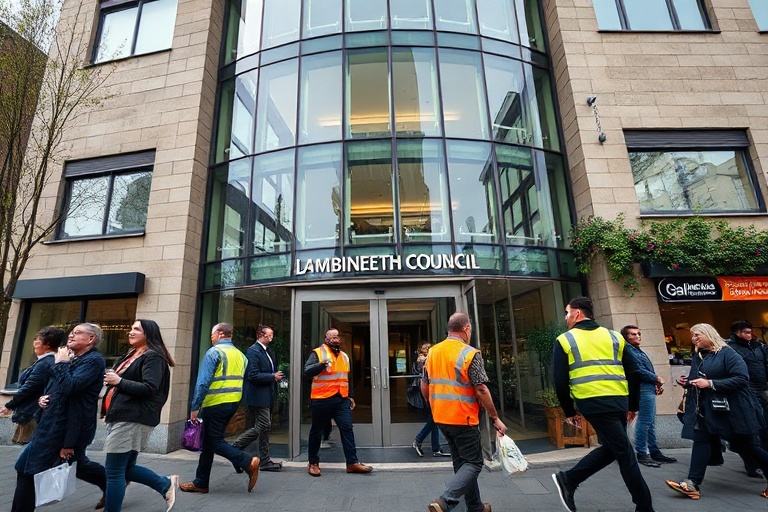
Lambeth Council is the local authority responsible for the London borough of Lambeth, one of the capital’s most vibrant and densely populated areas. Stretching from the Thames to Brixton and Clapham, the council oversees a diverse mix of communities, historic landmarks, and rapid urban change. Its decisions impact housing, transport, education, and cultural life across a borough that hosts over 330,000 residents and millions of annual visitors.
Established under the London Government Act of 1963, Lambeth Council operates as a second-tier authority within the Greater London Authority framework. It delivers essential services like waste collection, social care, and planning approvals, while working in partnership with the Mayor of London and central government on larger infrastructure projects. In recent years, Lambeth has become a focal point for debates on gentrification, public housing, and community identity in one of the world’s most influential cities.
The Political Landscape: Labour Dominance and Local Activism
Lambeth has long been a Labour stronghold, with the party controlling the council continuously since 1971. This political consistency has shaped policies around housing, education, and social welfare, often positioning Lambeth at the forefront of progressive urban governance in the UK. Initiatives like the council’s 2019 “Inclusive Economy” strategy aimed to tackle inequality by supporting local businesses and co-ops.
Yet this dominance has not come without scrutiny. Community groups and tenants’ unions have frequently challenged the council over regeneration projects, such as the controversial Cressingham Gardens estate redevelopment. Critics argue that some plans prioritize private investment over social housing, reflecting broader tensions in London’s housing crisis. The council’s response has involved public consultations and revised planning frameworks, but the debate continues to evolve.
Housing and Regeneration: A Borough in Transition
Lambeth’s housing stock is a microcosm of London’s broader challenges. The borough contains a mix of Edwardian terraces, post-war council estates, and luxury high-rises. Over the past decade, rising property values have accelerated gentrification, particularly in areas like Brixton, Clapham, and Vauxhall. The council has attempted to balance development with affordability through policies like the Affordable Housing Programme, which requires developers to include a percentage of low-cost units in new projects.
However, the pace of change has outstripped supply. According to 2023 figures, over 13,000 households remain on the council’s housing waiting list, while temporary accommodation costs have surged. In response, Lambeth Council has explored innovative solutions, including modular housing and community land trusts, to retain local tenureship and prevent displacement. These efforts align with a global trend seen in cities like Berlin and Barcelona, where municipalities are experimenting with new models of public housing.
Cultural Identity and Public Services in a Global Borough
Lambeth’s cultural influence extends far beyond its borders. Home to the Southbank Centre, the National Theatre, and the Black Cultural Archives, the borough is a hub for the arts, music, and activism. Its Caribbean and African communities have shaped London’s musical landscape, from the birth of punk in Brixton to the global reach of grime and Afrobeats. The council plays a key role in supporting grassroots venues, libraries, and festivals that sustain this identity.
Public services reflect this diversity. Lambeth’s libraries, including the award-winning Brixton Library, serve as community anchors, offering digital literacy programs and multilingual collections. Meanwhile, the council’s adult social care services support a growing aging population alongside initiatives for young people, including the popular Lambeth College partnerships.
This multicultural fabric is not unique to London. Cities like New York, Toronto, and Amsterdam also manage diverse populations through local governance. Lambeth’s approach—balancing heritage with modernity—offers lessons in how urban authorities can preserve identity amid rapid change. Yet it also faces challenges common to global cities: funding constraints, political polarization, and the need to reconcile growth with equity.
Looking Ahead: Challenges and Opportunities
The next decade will test Lambeth Council’s ability to navigate competing pressures. Climate resilience is a growing priority, with the council committing to carbon neutrality by 2030. Projects like the Vauxhall Nine Elms Battersea Opportunity Area are expected to bring 25,000 new homes and 20,000 jobs, but require careful planning to avoid exacerbating inequality.
Technological innovation is also reshaping service delivery. Lambeth has invested in digital planning tools and smart city initiatives, such as sensors to monitor air quality and traffic. These measures aim to improve efficiency and transparency, aligning with trends seen in cities like Copenhagen and Singapore.
Yet challenges remain. Rising inflation, central government austerity, and the lingering effects of the pandemic have strained local budgets. The council’s 2024 budget report highlighted a £50 million shortfall, prompting calls for greater fiscal devolution from Westminster. How Lambeth responds will influence not only its own future but also the broader debate on local governance in the UK.
Conclusion: A Borough at the Crossroads
Lambeth Council stands at the intersection of history, policy, and culture. Its decisions ripple across London and resonate globally, where cities grapple with similar questions of equity, sustainability, and identity. Whether through housing activism, cultural preservation, or digital transformation, Lambeth continues to redefine what it means to govern a modern, multicultural metropolis.
As the council moves forward, its ability to listen to residents, adapt to change, and innovate will determine whether it can turn its challenges into opportunities—for Lambeth and for cities worldwide.