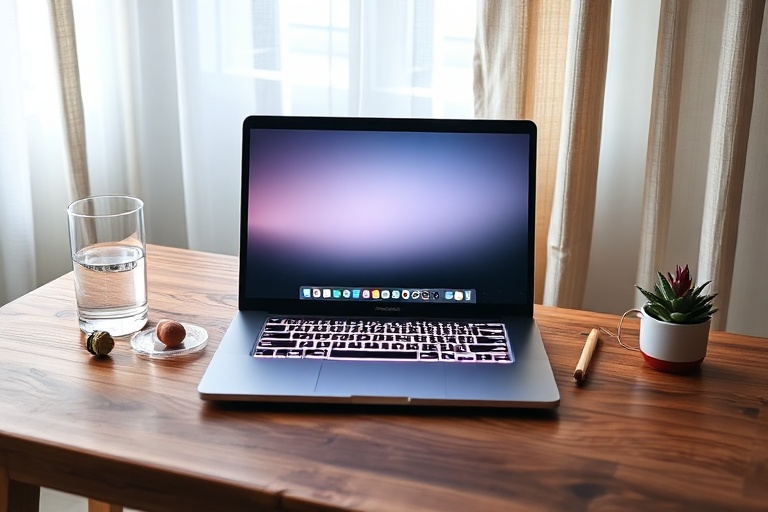
laptop
Laptops have become an indispensable part of modern life, serving as the primary computing device for professionals, students, creatives, and casual users alike. Unlike their desktop counterparts, laptops combine processing power with unmatched portability, allowing users to work, create, and connect from virtually anywhere. The evolution of laptop technology has led to a diverse market, with options ranging from lightweight ultrabooks to high-performance gaming rigs and everything in between.
The versatility of laptops makes them suitable for a wide array of tasks, from basic web browsing and document editing to complex 3D rendering and video editing. As remote work and digital nomadism continue to rise, the demand for reliable, high-quality laptops has never been greater. However, with so many models, brands, and specifications available, choosing the right laptop can feel overwhelming. Understanding the key factors—such as processor type, RAM, storage, battery life, and display quality—can help narrow down the options and ensure you select a device that meets your specific needs.
The Evolution of Laptops: From Bulky to Sleek
Laptops have undergone a dramatic transformation since their inception in the 1980s. The first commercially available laptop, the Osborne 1, weighed a hefty 24 pounds and cost nearly $2,000, offering a mere 64KB of RAM and a 5-inch screen. By the 1990s, laptops had become more compact and powerful, though they still required frequent recharging and offered limited performance compared to desktops. The introduction of Intel’s Pentium processors in the mid-1990s marked a turning point, significantly boosting processing power while reducing energy consumption.
The 2000s brought further innovation, with manufacturers like Apple, Dell, and Lenovo refining designs to prioritize both aesthetics and functionality. The rise of ultrabooks in the early 2010s emphasized slim profiles, long battery life, and premium build quality, catering to professionals who valued portability without sacrificing performance. Today, laptops are thinner, lighter, and more powerful than ever, with some models featuring foldable screens, 4K displays, and advanced cooling systems to support intensive tasks like gaming and AI workloads.
One of the most notable trends in recent years is the integration of ARM-based processors, such as Apple’s M-series chips, which offer exceptional performance per watt and improved battery efficiency. This shift has not only extended battery life but also enabled laptops to run cooler and quieter than their Intel or AMD counterparts. As laptops continue to evolve, the boundaries between traditional laptops, tablets, and even smartphones are blurring, with hybrid devices like Microsoft’s Surface Pro and Lenovo’s Yoga series offering touchscreens and detachable keyboards for added flexibility.
Choosing the Right Laptop: Key Factors to Consider
Selecting the right laptop depends on how you plan to use it. For most users, the following factors should guide your decision:
- Processor (CPU): The brain of your laptop, responsible for executing tasks. Intel Core i5/i7/i9 and AMD Ryzen 5/7/9 processors are popular choices, with higher numbers indicating more power. For basic tasks like browsing and office work, an i5 or Ryzen 5 is sufficient, while creative professionals and gamers should opt for i7/i9 or Ryzen 7/9 processors.
- RAM (Memory): Random Access Memory (RAM) affects multitasking capabilities. 8GB is the minimum for general use, but 16GB or more is recommended for gaming, video editing, or running multiple applications simultaneously.
- Storage: Solid State Drives (SSDs) are faster and more reliable than traditional Hard Disk Drives (HDDs). A 256GB SSD is adequate for light use, but 512GB or 1TB is ideal for storing large files, such as videos or games.
- Display: Screen size and resolution impact both usability and portability. A 13-14-inch display is ideal for travel, while 15-17-inch screens offer better real estate for work and entertainment. Consider 1080p for general use, 1440p for creative work, and 4K for professional-grade visuals.
- Battery Life: If you need your laptop to last through a full workday, look for models with 8+ hours of battery life. Ultrabooks and laptops with ARM-based processors tend to excel in this category.
- Ports and Connectivity: Ensure the laptop has the ports you need, such as USB-A, USB-C, HDMI, or an SD card reader. Wireless connectivity (Wi-Fi 6 and Bluetooth 5.0) is also important for seamless internet access and peripheral connections.
- Build Quality and Design: Durability matters, especially if you travel frequently. Look for laptops with aluminum or magnesium alloy chassis, backlit keyboards, and comfortable trackpads. Weight is another consideration—lighter models (under 3 pounds) are easier to carry but may compromise on performance.
Beyond these technical specifications, your budget will play a significant role in your decision. Laptops range from budget-friendly options under $500 to high-end models costing over $2,000. While it’s tempting to opt for the most powerful machine available, it’s important to balance performance with your actual needs to avoid overspending.
Laptops for Specific Needs: Gaming, Creatives, and Business
Not all laptops are created equal, and certain models are tailored to specific use cases. Here’s a breakdown of the best laptops for different needs:
Gaming Laptops
Gaming laptops are designed to handle resource-intensive games with high frame rates and detailed graphics. These laptops typically feature dedicated GPUs (NVIDIA RTX or AMD Radeon), high-refresh-rate displays (120Hz or above), and advanced cooling systems to prevent overheating during long gaming sessions. Popular models include the ASUS ROG Zephyrus, Alienware m16, and MSI GS66 Stealth.
Battery life is often sacrificed in gaming laptops due to the power demands of high-end GPUs, so they’re best suited for users who prioritize performance over portability. However, newer models are becoming more efficient, with some offering up to 6 hours of battery life under moderate use.
Laptops for Creatives
For designers, photographers, and video editors, color accuracy and display quality are paramount. Laptops like the MacBook Pro, Dell XPS 15, and Microsoft Surface Laptop Studio are favored for their high-resolution Retina or OLED screens, which support wide color gamuts (100% Adobe RGB or DCI-P3). These models also often include stylus support and powerful processors to handle software like Adobe Photoshop, Illustrator, and Premiere Pro.
A minimum of 16GB RAM and a dedicated GPU (such as NVIDIA’s RTX series) is recommended for creative professionals. Storage is another critical factor—SSDs with at least 512GB are ideal for storing large project files, though external drives can supplement internal storage for additional capacity.
Business Laptops
Business laptops prioritize security, durability, and reliability. Models like the Lenovo ThinkPad series, HP EliteBook, and Dell Latitude are built to withstand daily wear and tear while offering features like fingerprint readers, TPM chips, and ruggedized designs. These laptops often include long battery life, comfortable keyboards for extensive typing, and compatibility with enterprise software.
For remote workers and frequent travelers, lightweight ultrabooks with secure login options (facial recognition or smart card readers) are excellent choices. The Technology section of Dave’s Locker features in-depth reviews of business laptops, helping professionals make informed decisions.
The Future of Laptops: Trends and Innovations
The laptop industry shows no signs of slowing down, with several exciting trends on the horizon. One of the most anticipated developments is the continued rise of ARM-based processors, which offer superior energy efficiency and performance. Apple’s transition to its own M-series chips has set a new standard for laptops, inspiring other manufacturers to explore ARM-based designs.
Another trend is the growing popularity of foldable and dual-screen laptops, such as Lenovo’s ThinkPad X1 Fold and Microsoft’s Surface Duo. These devices offer unprecedented flexibility, allowing users to switch between laptop and tablet modes or even run multiple apps side by side. While still in their early stages, foldable laptops could redefine how we interact with our devices.
Sustainability is also becoming a key focus for laptop manufacturers. Companies like Dell and HP are incorporating recycled materials into their designs and offering modular components that can be upgraded or replaced, reducing electronic waste. Additionally, energy-efficient processors and displays are helping lower the carbon footprint of laptops.
As artificial intelligence (AI) and machine learning (ML) continue to advance, we can expect laptops to become even smarter. Features like AI-powered noise cancellation, real-time language translation, and adaptive brightness are already making their way into consumer devices. In the future, laptops may even integrate AI copilots to assist with tasks like scheduling, email management, and creative brainstorming.
Final Thoughts: Making the Right Choice
Laptops have come a long way since their inception, evolving from bulky, underpowered machines to sleek, powerful devices that cater to virtually every need. Whether you’re a student, professional, gamer, or creative, there’s a laptop out there that’s perfect for you. The key is to prioritize your specific requirements—whether it’s portability, performance, battery life, or display quality—and find a model that strikes the right balance.
Before making a purchase, it’s worth exploring reviews and comparisons to see how different models stack up in real-world scenarios. Websites like Dave’s Locker offer detailed insights and expert opinions to help you navigate the crowded laptop market. Additionally, consider factors like warranty, customer support, and upgradeability, as these can significantly impact your long-term satisfaction with your device.
Ultimately, the best laptop is the one that seam