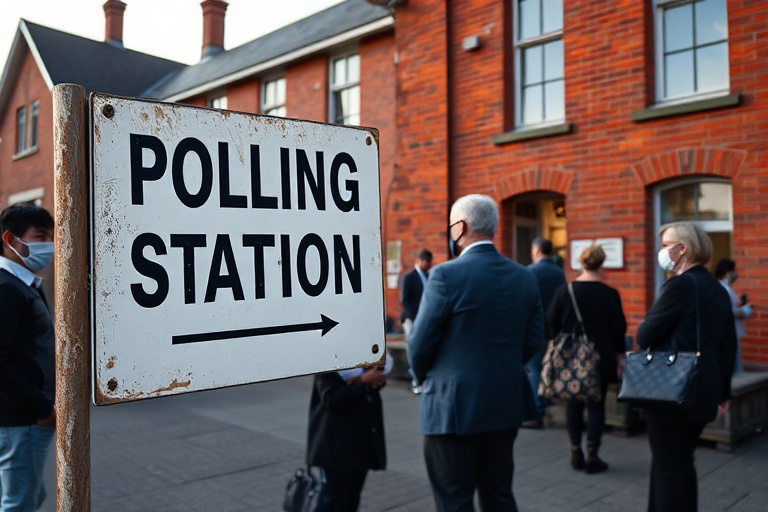
Local elections in Leeds have always been a bellwether for broader political trends in Yorkshire. The 2026 contest promises to be particularly significant, with shifting voter priorities and emerging grassroots movements reshaping the traditional landscape. As campaign posters begin to appear and political rallies pick up pace, the stakes could not be higher for both major parties and independent candidates alike.
Key Contenders and Shifting Alliances
The Labour Party has dominated Leeds politics for decades, controlling the council since 2011 with comfortable majorities. However, recent polling suggests this dominance may face its toughest challenge yet in 2026. The Conservatives, despite recent setbacks, are eyeing key wards where demographic changes and cost-of-living pressures could erode Labour’s support. Meanwhile, the Green Party continues to gain traction, particularly in affluent areas like Headingley and Chapel Allerton, where environmental concerns weigh heavily on voters’ minds.
Independent candidates are also making waves. A coalition of community activists, dissatisfied with mainstream parties’ handling of local issues like housing and transport, has fielded several high-profile challengers. Their campaigns focus on hyper-local concerns, from pothole repairs to school funding, resonating with voters frustrated by perceived political neglect.
Notable Ward Battles
- Headingley: A traditional Labour stronghold facing a fierce Green Party challenge, with student voters increasingly prioritizing climate action over party loyalty.
- Wetherby & Aireborough: A Conservative-Labour marginal where housing developments and transport links could sway the result.
- Leeds Central: A high-turnout ward where voter registration drives by community groups may determine the outcome.
Policy Priorities That Could Shape the Vote
Voter concerns in Leeds have evolved since the last local elections. While Labour’s track record on public services remains a key selling point, the party faces scrutiny over its approach to economic growth. The Conservatives, meanwhile, are banking on discontent over council tax increases and waste collection issues to chip away at Labour’s support.
Housing remains the defining issue. Leeds City Council’s controversial housing strategy—aimed at increasing affordable units—has drawn criticism from both sides. Labour argues it’s a necessary intervention, while opponents claim it stifles development and drives up costs. The Greens have positioned themselves as the only party offering a holistic vision, tying housing to broader environmental and social justice goals.
Transport is another flashpoint. The council’s delayed implementation of clean air zones and patchy progress on cycling infrastructure have frustrated residents. All parties are under pressure to outline concrete plans, with the Greens pushing for radical reforms and Labour advocating incremental improvements.
Broader Implications for Yorkshire and Beyond
The outcome in Leeds will ripple across Yorkshire. As the largest metropolitan authority in the region, Leeds sets the tone for urban politics in West Yorkshire. A Labour loss or reduced majority could embolden opposition groups in neighbouring councils like Bradford and Wakefield. Conversely, a strong Conservative performance might signal a resurgence of Tory influence in traditionally Labour-leaning areas.
Nationally, the 2026 local elections serve as a critical test for the ruling government ahead of the general election. A poor showing in Leeds would reinforce perceptions of voter fatigue with the current administration, particularly on issues like public sector funding and infrastructure. For Labour, holding Leeds—while making inroads elsewhere—could be framed as a mandate for its national policy agenda.
The Green Party’s performance will also be closely watched. If they secure multiple seats, it could accelerate the party’s transition from a protest vote to a credible governing force in urban areas. Their success or failure may influence how other regional parties, such as the Yorkshire Party, position themselves in future contests.
What Voters Should Watch As Campaigns Intensify
With campaigning now in full swing, several factors will determine the final result. Voter turnout is always unpredictable in local elections, but early signs suggest higher engagement this year, particularly among younger voters. Social media campaigns, from TikTok rallies to Instagram Q&As, are playing an increasingly central role in reaching these demographics.
Door-to-door canvassing remains a staple, but parties are also investing in data-driven outreach. Labour’s ground game, honed over years of dominance, is being tested by new voter registration apps and micro-targeting strategies. The Conservatives, meanwhile, are relying on traditional strongholds, hoping to capitalize on disillusionment with Labour’s local performance.
Third-party interventions could also sway results. Trade unions, business groups, and advocacy organizations are expected to deploy resources strategically, particularly in marginal wards. Their endorsements—or lack thereof—may influence undecided voters.
As polling day approaches, the debate will intensify. Residents will weigh local issues against broader political narratives. Will Labour’s incumbency advantage outweigh voter frustration? Can the Greens convert their growing support into tangible gains? Or will independent candidates disrupt the status quo entirely?
The answers to these questions will shape Leeds’ political landscape for years to come. More than just a local contest, the 2026 elections offer a snapshot of where Britain stands—and where it might be headed.
For deeper analysis on local political trends, explore our Politics section and Analysis archives.