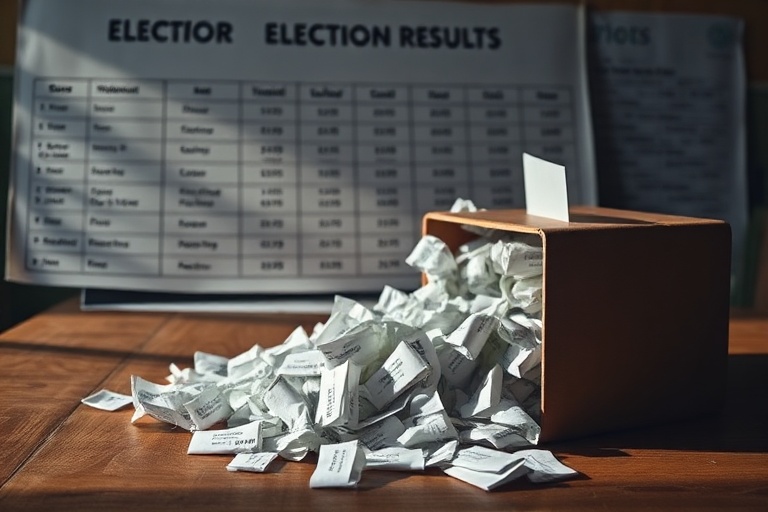
Local elections in Exeter delivered unexpected outcomes, reshaping the political landscape in ways few predicted. The results reflect broader national trends while highlighting unique city-specific dynamics.
Key Outcomes from the Exeter Election
The 2024 local elections in Exeter saw significant changes across several wards, with voter turnout reaching its highest level in over a decade. The Labour Party maintained control of the council but lost ground in traditionally safe seats, while the Liberal Democrats made substantial gains. The Green Party also strengthened its presence, securing multiple council seats.
These shifts come after years of political stability in Exeter, where Labour has dominated local governance since 2011. The results suggest growing voter dissatisfaction with incumbents, particularly on issues like housing affordability and public transport.
- Labour losses: The party retained control but lost three seats, including one in the affluent St Leonard’s ward.
- Lib Dem gains: The party secured five new seats, capitalizing on anti-establishment sentiment.
- Green Party breakthrough: Tripling their representation, the Greens now hold four council seats.
- Independent candidates: Two independents won seats, reflecting frustration with mainstream politics.
Why These Results Matter Beyond Exeter
The Exeter election is part of a wider pattern seen in local elections across the UK. Smaller parties and independents are gaining traction, particularly in urban areas where housing and cost-of-living crises are biting hardest. Exeter’s results mirror similar upsets in Bristol, Cambridge, and Brighton, where traditional parties are struggling to retain voter loyalty.
Analysts point to several factors driving this shift. First, the cost-of-living crisis has made economic issues a top priority for voters. Second, younger residents—who have historically leaned left—are increasingly disillusioned with Labour’s perceived centrism. Finally, local scandals and perceived inefficiency in council governance have eroded trust in established parties.
For Exeter specifically, the results could signal a turning point in how the city addresses its housing shortage. The newly elected Greens have already pledged to push for stronger environmental protections and more affordable housing, which could force Labour to adopt more progressive policies.
What’s Next for Exeter’s Political Landscape?
The immediate aftermath of the election has been marked by cautious optimism from opposition groups and renewed determination from Labour to regain lost ground. The council’s next budget meeting, scheduled for July, is expected to be a flashpoint for political clashes over spending priorities.
The Liberal Democrats, now the second-largest group on the council, have signaled their intent to challenge Labour on key policies. Their leader, Cllr. Emma Taylor, stated: “These results show Exeter voters want change. We will hold Labour to account on their promises and push for real solutions to the city’s challenges.”
Meanwhile, the Green Party’s gains could force Labour to adopt more ambitious climate policies. With the party now holding the balance of power on several key committees, their influence is likely to grow.
- Housing policy: Expect heated debates over development plans, particularly in areas like Pennsylvania and Topsham.
- Transport infrastructure: The Lib Dems have pledged to revive stalled projects, such as the proposed guided busway.
- Environmental initiatives: The Greens’ success may accelerate Exeter’s transition to net-zero carbon emissions.
Broader Implications for UK Local Politics
Exeter’s election results are a microcosm of broader trends reshaping local governance in the UK. The decline of the two-party system—once the bedrock of British politics—is accelerating. Voters are increasingly willing to abandon traditional parties in favor of smaller groups or independents who promise more direct representation.
This shift has implications for national politics as well. With local elections often serving as a barometer for general election sentiment, the results in Exeter and other cities could foreshadow a more fragmented parliament in the next general election. The rise of single-issue politics—particularly around housing, climate, and transport—is also forcing mainstream parties to rethink their platforms.
For Exeter residents, the election results offer both challenges and opportunities. While political gridlock could slow progress on key issues, the increased diversity of voices in council chambers may lead to more innovative solutions. The coming months will be critical in determining whether the city’s new political dynamics translate into tangible improvements for its residents.
For more on how local elections are shaping national politics, explore our News and Analysis sections. Exeter’s political landscape is evolving rapidly, and these changes could have far-reaching consequences.