Midlothian: A Historical Crossroads Beyond Scotland’s Borders
Midlothian, a historic county in southern Scotland, often escapes the global spotlight compared to its more famous neighbor, Edinburgh. Yet its significance stretches far beyond Scotland’s borders, weaving through centuries of political evolution, cultural exchange, and economic transformation. This region offers a unique lens through which to examine how smaller administrative areas shape national identity and regional resilience worldwide.
Geographically compact yet historically rich, Midlothian has served as a silent witness to Scotland’s shifting power structures. From medieval royal burghs to modern administrative divisions, its story reflects broader patterns seen in regions from New England’s colonial counties to Japan’s prefectural systems. Understanding Midlothian means recognizing how even modest geographies carry outsized historical weight.
The Evolution of Midlothian: From Medieval Roots to Modern Identity
Midlothian’s origins trace back to the early medieval period, when it emerged as a key administrative unit during the reign of King David I in the 12th century. Unlike many Scottish counties defined by rugged Highland boundaries, Midlothian’s landscape—characterized by rolling hills, fertile farmland, and the fertile Lothian plain—made it a center of agricultural innovation and early urbanization.
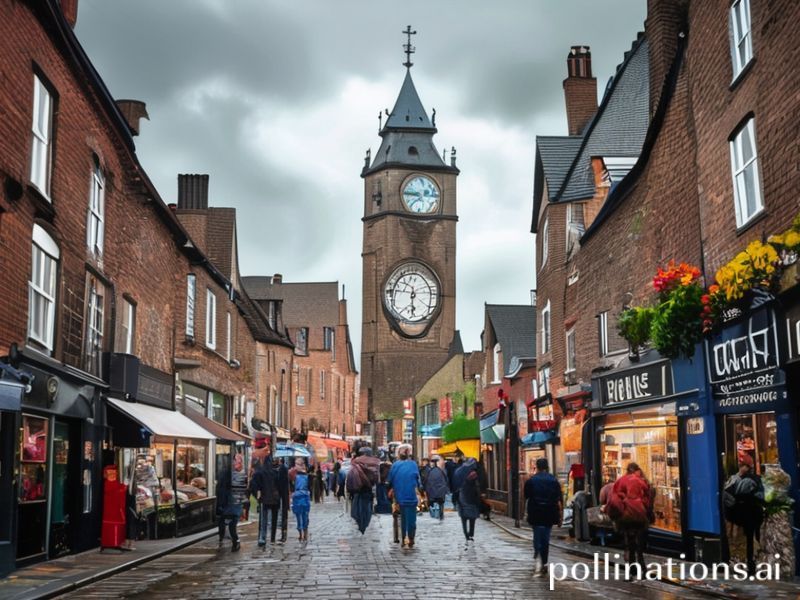
By the 16th century, Midlothian had become a cultural and political hub, home to Edinburgh’s royal court. The county’s role in Scotland’s turbulent history is evident in its castles, abbeys, and market towns, each narrating tales of power, conflict, and resilience. Towns like Dalkeith and Musselburgh grew as vital trading posts, linking Scotland’s capital to both domestic and international markets.
The 19th and 20th centuries brought further transformation. The Industrial Revolution reshaped Midlothian’s economy, with coal mining and manufacturing driving growth. Though these industries declined in the late 20th century, the region adapted, leveraging its historical heritage to fuel tourism and technology sectors. Today, Midlothian balances preservation with progress, a model seen in regions from Germany’s Ruhr Valley to Pennsylvania’s Anthracite Coal Region.
Cultural Tapestry: How Midlothian Reflects Scotland’s Global Connections
Midlothian’s cultural identity is not confined to Scotland. Its story mirrors the experiences of diasporic communities across the globe, where migrants carry regional traditions into new contexts. The Scottish diaspora—spanning North America, Australia, and beyond—has roots deeply embedded in counties like Midlothian, where families once relied on seasonal migration to survive.
Traditional Scottish music, dance, and folklore flourish in Midlothian’s communities, often preserved through local festivals and educational initiatives. These cultural practices have found new life abroad, particularly in regions with strong Scottish heritage. For instance, Cape Breton in Canada and Nova Scotia’s Highland Games trace their traditions back to counties like Midlothian, where bagpipers and fiddlers once entertained royal courts and market crowds alike.
Midlothian’s culinary heritage, too, reflects broader trends in global Scottish cuisine. Dishes like oatcakes, black pudding, and Scotch broth originated in rural communities like those found in Midlothian. Today, these foods are celebrated worldwide, adapted by chefs in cities from New York to Tokyo. The region’s agricultural legacy continues to influence modern dining trends, emphasizing locally sourced ingredients and sustainable practices.
Meanwhile, Midlothian’s architectural landmarks—from the Gothic spires of Rosslyn Chapel to the neoclassical grandeur of the Scottish Parliament—have inspired global design. The chapel’s intricate carvings, for example, have been studied by artists and architects worldwide, demonstrating how regional aesthetics can transcend borders.
Economic Resilience: Lessons from Midlothian’s Adaptive Strategies
Midlothian’s economic trajectory offers a case study in regional resilience, a theme relevant to counties and municipalities worldwide. In the 1980s, the closure of deep-coal mining pits threatened the local economy. Rather than succumbing to decline, Midlothian diversified, investing in education, technology, and renewable energy.
The establishment of Midlothian Science Triangle—a partnership between businesses, universities, and local government—epitomizes this shift. The initiative has attracted tech firms and research institutions, mirroring similar models in places like Research Triangle Park in North Carolina. By focusing on innovation and skills development, Midlothian has positioned itself as a leader in Scotland’s growing tech sector.
Tourism also plays a vital role in the region’s economy. Midlothian’s historic sites, such as Dalhousie Castle and the National Mining Museum, draw visitors from across Europe and beyond. This strategy aligns with global trends in heritage tourism, where regions capitalize on their past to fuel future growth. Cities like Kyoto in Japan and Cusco in Peru have adopted similar approaches, proving that history can be an economic asset.
However, challenges remain. Like many regions, Midlothian grapples with rural depopulation and the need to balance development with conservation. Its experience offers lessons for rural communities worldwide, from Italy’s Tuscany to Canada’s Maritimes, where preserving cultural identity while fostering economic opportunity is a delicate act.
Key Takeaways for Global Regions
Midlothian’s story resonates far beyond Scotland’s borders. Its ability to adapt—whether through cultural preservation, economic diversification, or strategic partnerships—highlights universal themes in regional development:
- Historical continuity: Regions with deep historical roots can leverage their past to build future resilience.
- Cultural capital: Traditions and heritage are not just relics but assets that can be monetized and shared globally.
- Economic agility: Diversification and innovation are essential for regions facing industrial decline.
- Community-driven growth: Local partnerships between government, businesses, and educational institutions can drive sustainable development.
Midlothian may be a small county, but its lessons are universal. In an era where globalization often overshadows local identity, regions like Midlothian remind us of the enduring power of place.
Why Midlothian Matters in a Connected World
Midlothian’s significance lies in its dual role as both a microcosm and a mirror. It embodies the challenges and opportunities faced by countless regions worldwide, from declining industrial towns in the American Midwest to rural communities in Japan’s countryside. Its ability to reinvent itself while honoring its past offers a blueprint for sustainable regional development.
Moreover, Midlothian challenges the notion that only major urban centers or globally recognized landmarks shape history. Counties like Midlothian prove that smaller, less prominent regions can have outsized influence—whether through cultural exports, economic innovation, or historical continuity. In an age where digital connectivity often overshadows physical geography, Midlothian stands as a reminder of the enduring importance of place.
For travelers, historians, and policymakers alike, Midlothian offers a compelling destination. It is a place where the past is not just remembered but actively shaped into the future. And in doing so, it invites the world to look closer at the often-overlooked regions that, together, form the tapestry of global history.