Saturday mornings have long been associated with comfort, community, and culinary exploration. From London to Lagos, Tokyo to Toronto, the tradition of preparing and sharing a substantial meal on Saturdays reflects cultural values, economic realities, and even historical influences. In many parts of the world, Saturday kitchen rituals are not just about food—they’re about connection, celebration, and the preservation of heritage. Today, this tradition is evolving, blending time-honored practices with modern convenience and global influences.
Across continents, Saturday kitchen culture varies widely. In some regions, it’s a family affair involving hours of preparation, while in others, it’s a quick yet meaningful gathering fueled by local ingredients and shared recipes. The rise of food media, social platforms, and global ingredient availability has transformed how people approach Saturday cooking. Yet, despite these changes, the essence remains: a dedicated time to nourish both body and soul.
The Cultural Roots of Saturday Kitchen Rituals
Every culture has its own interpretation of Saturday kitchen traditions, often rooted in history and necessity. In the United Kingdom, for example, the Saturday fry-up—a hearty breakfast featuring eggs, bacon, sausages, baked beans, and toast—has been a staple for generations. This meal, often enjoyed leisurely after a week of work, symbolizes a moment of respite and indulgence.
In West Africa, particularly Nigeria and Ghana, Saturday is synonymous with jollof rice—a vibrant, tomato-based dish cooked in large quantities and shared among extended families. The preparation is communal, with multiple generations contributing to the process. It’s not just a meal; it’s a celebration of unity and cultural pride. Similarly, in South Asia, Saturday lunches often feature regional specialties like biryani or dosa, prepared with care and served with generosity.
These traditions are more than culinary customs; they reflect social structures and values. In many communities, Saturday kitchen rituals reinforce family bonds and intergenerational knowledge transfer. They serve as a reminder of where people come from, even as global influences reshape their kitchens.
A Global Perspective: How Saturday Kitchen Looks Around the World
To understand the diversity of Saturday kitchen traditions, consider these examples from different regions:
- Japan: Saturday mornings might begin with miso soup, steamed rice, and grilled fish, accompanied by pickled vegetables. The focus is on balance and simplicity, reflecting the principles of washoku (traditional Japanese cuisine).
- Brazil: Saturday feasts often feature feijoada, a rich black bean stew with pork, served with rice, collard greens, and farofa (toasted cassava flour). It’s a dish that tells the story of Brazil’s colonial past and African heritage.
- Sweden: Lördagsgodis (Saturday candy) is a beloved tradition where families indulge in sweets after a week of moderation. This practice dates back to post-World War II sugar rationing and remains a cherished ritual.
- Morocco: Saturday lunches might include tagine—a slow-cooked stew with meat, vegetables, and aromatic spices—served with fresh bread. The meal is often a multi-course affair, emphasizing hospitality and generosity.
These examples highlight how Saturday kitchen traditions are deeply tied to local ingredients, historical contexts, and social norms. They also reveal a common thread: Saturday is a day to slow down, savor, and share.
The Modern Saturday Kitchen: Convenience Meets Tradition
The 21st century has brought significant changes to Saturday kitchen routines. Busy lifestyles, urbanization, and the rise of convenience foods have altered how people approach meal preparation. Yet, despite these shifts, the desire for connection and meaningful meals persists.
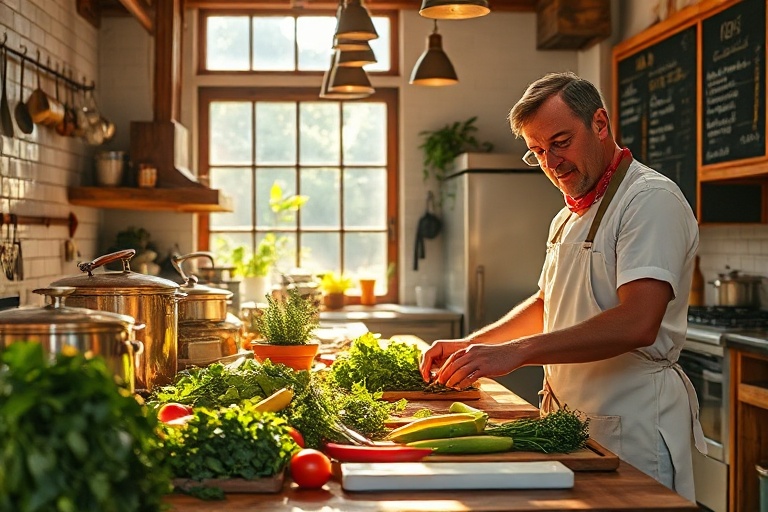
One major trend is the blending of tradition with modern convenience. Many families now combine classic recipes with time-saving techniques, such as using pressure cookers for stews or prepping ingredients the night before. Meal kits and grocery delivery services have also made it easier to access global ingredients without sacrificing authenticity.
Social media has played a pivotal role in this evolution. Platforms like Instagram and TikTok have democratized culinary creativity, allowing home cooks to experiment with international dishes and share their Saturday kitchen adventures. Hashtags like #SaturdayKitchen or #WeekendFeast showcase a global tapestry of meals, inspiring others to try new recipes or revisit family favorites.
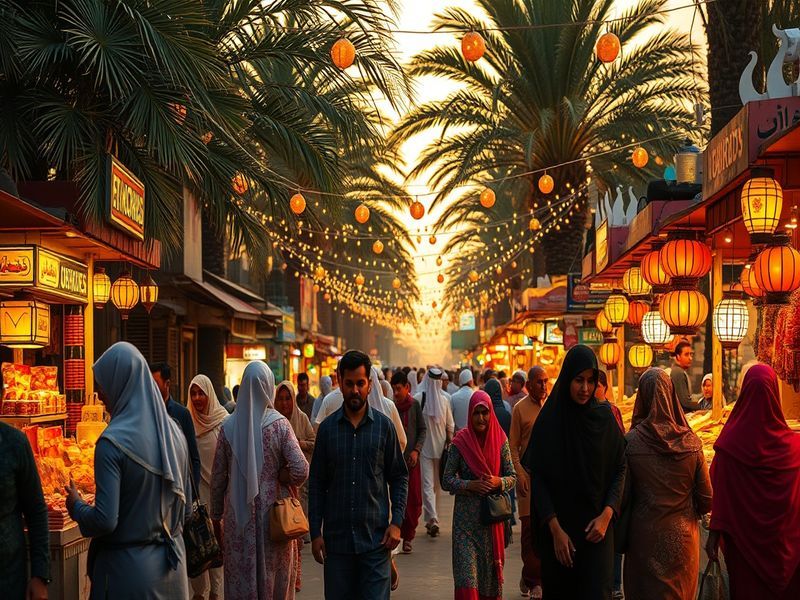
Another notable shift is the rise of food tourism. People are increasingly seeking out authentic culinary experiences, whether by visiting local markets, taking cooking classes, or exploring regional specialties. This trend reflects a broader cultural movement toward valuing heritage and craftsmanship in food.
The Role of Technology in Shaping Saturday Kitchens
Technology has become an integral part of modern Saturday kitchens. Smart appliances, recipe apps, and online communities have transformed how people plan, prepare, and enjoy their meals. For instance, smart ovens can now adjust cooking times and temperatures automatically, while apps like Yummly or Paprika help users organize recipes and grocery lists.
Voice assistants like Alexa or Google Home have also made their way into kitchens, allowing cooks to set timers, look up recipes, or even receive step-by-step cooking guidance without touching a screen. These tools reduce the cognitive load of meal preparation, making it easier to focus on the joy of cooking.
However, technology isn’t without its challenges. The rise of ultra-processed foods and meal delivery services has led some to question whether convenience is eroding traditional cooking skills. Critics argue that while these innovations save time, they may also diminish the cultural and emotional significance of Saturday kitchen rituals.
The Future of Saturday Kitchens: Sustainability and Community
As the world grapples with climate change and social inequality, the future of Saturday kitchens is likely to be shaped by sustainability and community. More people are prioritizing locally sourced, seasonal ingredients and reducing food waste. Initiatives like community gardens, food co-ops, and zero-waste cooking are gaining traction, reflecting a broader commitment to ethical consumption.
Community-driven cooking is also making a comeback. Shared kitchen spaces, pop-up dinners, and cooking clubs are fostering connections among neighbors and strangers alike. These gatherings celebrate diversity and creativity, proving that food is a universal language.
Looking ahead, the Saturday kitchen of the future may blend tradition with innovation, balancing convenience with mindfulness. Whether it’s a slow-cooked family meal, a quick global-inspired dish, or a collaborative community feast, the essence of Saturday kitchens remains unchanged: a dedicated time to nourish, connect, and celebrate.
A Call to Reconnect with Saturday Kitchens
In a fast-paced world, Saturday kitchens offer a rare opportunity to pause and reconnect. They remind us of the importance of slowing down, sharing, and savoring. Whether you’re whipping up a classic fry-up, experimenting with a new recipe, or simply enjoying a quiet cup of coffee, these moments are worth cherishing.
As global cultures continue to intersect, Saturday kitchens will evolve, but their core purpose will endure. They are more than just meals—they are rituals, stories, and symbols of what it means to be human.