Street Fighter Movies: From 1994 Cult Classic to Modern Adaptations
The Street Fighter movie franchise has carved a unique niche in video game adaptations, blending over-the-top action with a cast of iconic characters. While not every installment hit the mark, the series remains a fascinating case study in how Hollywood adapts beloved game properties. The original 1994 film starring Jean-Claude Van Damme and Raúl Juliá set the tone for future adaptations, while the 2009 animated feature took a different approach. This exploration examines the evolution of Street Fighter on film, its cultural impact, and what the future might hold for the franchise.
The Original 1994 Film: A Wild Ride with Mixed Reception
When Street Fighter arrived in theaters in 1994, it was one of the first major video game adaptations to reach a wide audience. The film starred Jean-Claude Van Damme as Guile and Raúl Juliá as the villainous M. Bison, delivering performances that leaned into the movie’s exaggerated tone. With its neon-lit aesthetic and over-the-top fight choreography, the film embraced the same campy energy as the games it was based on.
The production faced challenges, including Julián’s declining health during filming (he passed away shortly after completing his role). Despite these hurdles, the movie became a cult classic, beloved for its so-bad-it’s-good moments and commitment to its high-energy style. Critics were divided, but audiences embraced its unique charm. The film’s soundtrack, featuring tracks like “Something There” by Chage & Aska, also became a memorable part of its legacy.
While the 1994 film didn’t aim for realism, it succeeded in capturing the spirit of the games. Its influence can still be seen in modern video game adaptations that prioritize stylistic flair over strict fidelity to source material. For fans of the franchise, the original remains a nostalgic relic of early ’90s action cinema.
The 2009 Animated Film: A Fresh Take on the Franchise
Nearly 15 years after the first film, Street Fighter: The Legend of Chun-Li took a completely different approach. Instead of live-action, it was an animated feature that focused on a single storyline centered around Chun-Li’s quest for revenge against M. Bison. With a more serious tone than its predecessor, the film attempted to ground the franchise in a more dramatic narrative.
Critical reception was mixed. While some praised its animation style and attempt to develop its characters, others felt it strayed too far from the games’ signature appeal. The film’s box office performance was underwhelming, signaling that audiences might still prefer the over-the-top action of the original. However, it did introduce a new generation to Street Fighter’s lore, particularly in international markets where the franchise had a strong following.
The animated film also experimented with a different visual style, blending cel-shaded animation with CGI elements. While not as flashy as the live-action version, it offered a fresh perspective on how the franchise could evolve. Its legacy remains divisive, but it proved that there’s more than one way to bring Street Fighter to life on screen.
The Cultural Impact of Street Fighter on Film
The Street Fighter movies, despite their flaws, played a role in shaping how Hollywood approaches video game adaptations. The original film’s success (despite mixed reviews) proved that there was an audience for action-packed, game-inspired movies. It paved the way for other franchises like Mortal Kombat to take bold risks in their adaptations.
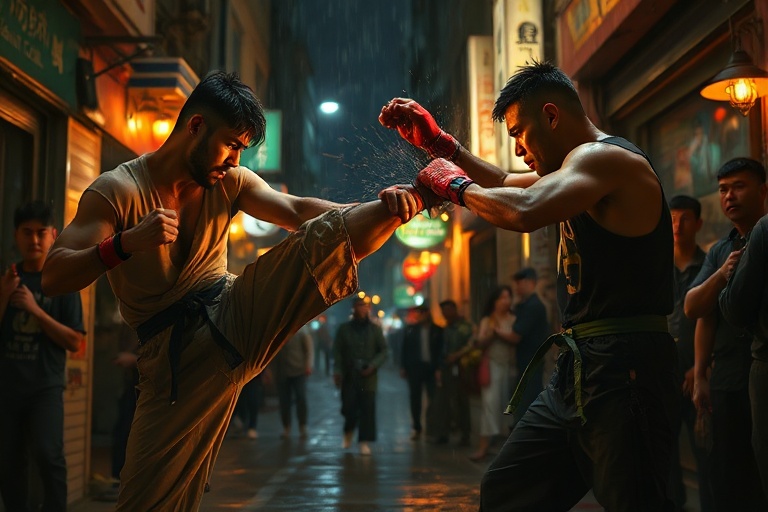
One of the franchise’s most enduring legacies is its influence on fight choreography. The original film’s fight scenes were heavily stylized, mirroring the exaggerated moves of the games. This approach has since become a staple in modern action cinema, from superhero films to martial arts movies. The Street Fighter franchise helped popularize the idea that fight scenes could be as much about spectacle as realism.
The movies also contributed to the global appeal of the franchise. While the games were already popular in arcades worldwide, the films introduced Street Fighter to audiences who may not have played the games. This cross-medium exposure helped solidify the franchise’s place in pop culture, ensuring its longevity across generations.
What’s Next for Street Fighter on the Big Screen?
In recent years, there’s been renewed interest in reviving the Street Fighter movie franchise. Reports suggest that a new adaptation is in development, with discussions about a potential animated or hybrid live-action/animation approach. Given the success of recent video game movies like Sonic the Hedgehog and Uncharted, the timing might be right for another attempt.
A successful reboot would need to balance nostalgia with innovation. Fans would likely expect a film that captures the spirit of the games while offering something fresh. Whether it’s a return to the over-the-top action of the original or a deeper dive into the franchise’s lore, the next Street Fighter movie has the potential to resonate with both longtime fans and newcomers.
For now, the franchise’s cinematic legacy remains a mix of cult classics and cautionary tales. But as gaming continues to influence mainstream entertainment, there’s no doubt that Street Fighter will keep finding ways to adapt and thrive on the big screen.
Key Takeaways for Fans
- The original 1994 film remains a cult classic for its campy charm and iconic performances.
- The 2009 animated film took a more serious approach but struggled to find its footing.
- The franchise’s influence can be seen in modern fight choreography and action cinema.
- A potential reboot could benefit from the lessons learned in recent video game adaptations.
For more on gaming adaptations and the latest in entertainment news, check out our Gaming and Entertainment categories. Whether you’re a longtime Street Fighter fan or just curious about the franchise’s cinematic history, there’s always more to explore in the world of video game adaptations.