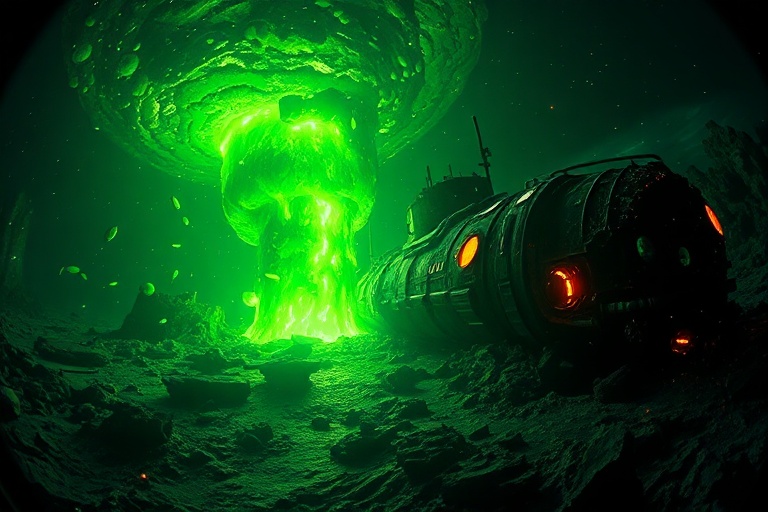
Strong Acid in Subnautica 2: Survival Guide & Gameplay Tips
Understanding Strong Acid in Subnautica 2: A Critical Survival Guide
Subnautica 2 continues to push the boundaries of underwater survival games, blending exploration with resource management in a way few titles can match. One of the game’s most challenging mechanics involves the use of strong acids, which serve as both a hazard and a valuable tool for players. Unlike traditional survival games where fire or predators pose the greatest threats, Subnautica 2 introduces a unique environmental danger that demands precision and preparation.
The strong acid zones scattered across the alien ocean floor are not just obstacles—they are gateways to rare resources and hidden secrets. Navigating these areas requires a deep understanding of the game’s chemistry system, protective gear, and strategic movement. Players who master these zones gain access to advanced crafting materials and lore-expanding discoveries, making the risk worthwhile.
Why Strong Acid Matters in Subnautica 2’s Ecosystem
Strong acid in Subnautica 2 isn’t just a random obstacle; it plays a pivotal role in the game’s survival mechanics and world-building. These hazardous zones are often located near high-value resource deposits, such as advanced metal alloys or exotic energy sources. Without proper preparation, players risk losing valuable equipment or even their lives.
The acid’s corrosive properties are visually striking, with bubbling pits and dissolving structures that create a sense of urgency. This environmental storytelling enhances immersion, making players feel the weight of their decisions. From a gameplay perspective, strong acid forces players to adapt their strategies, whether by using specialized vehicles, upgrading their exosuit, or timing their movements carefully.
Globally, the concept of acid as a survival challenge resonates with players familiar with extreme environments. Many real-world explorers and scientists work in conditions where corrosive substances pose significant risks. Subnautica 2 taps into this cultural awareness, making its hazards feel grounded despite the game’s sci-fi setting.
The Science Behind Strong Acid in Subnautica 2
Subnautica 2’s strong acid is not just a generic hazard—it’s a carefully designed mechanic rooted in real-world chemistry. The game’s developers took inspiration from sulfuric acid, one of the most common industrial acids, which is known for its extreme corrosiveness and ability to dissolve metals and organic materials.
In the game, strong acid behaves similarly. It can:
- Dissolve unprotected metal structures over time
- Damage vehicles and equipment if exposed for too long
- Create safe pockets where players can temporarily hide
- React with certain minerals to produce valuable byproducts
This attention to scientific detail adds depth to the gameplay, appealing to players who appreciate realism. It also serves as an educational tool, subtly introducing concepts like pH levels and chemical reactions to a broader audience. For educators and science enthusiasts, Subnautica 2 offers a unique way to engage with chemistry outside traditional learning environments.
Moreover, the game’s portrayal of strong acid aligns with global concerns about industrial pollution and environmental degradation. By integrating these themes into its survival mechanics, Subnautica 2 invites players to reflect on humanity’s impact on natural ecosystems—even in fictional worlds.
How Players Worldwide Are Tackling Strong Acid Zones
Subnautica 2’s strong acid zones have sparked a global conversation among players, with communities sharing strategies and experiences. Online forums and social media platforms are filled with discussions about the best ways to navigate these dangerous areas, reflecting the game’s widespread appeal.
Some of the most popular tactics include:
- Vehicle Upgrades: Players invest in reinforced hulls and acid-resistant coatings for their submarines and cyclops vehicles.
- Exosuit Modifications: Upgrading the exosuit with acid-resistant materials allows for longer exploration periods.
- Timed Movements: Quick, precise movements are essential to avoid prolonged exposure to acid.
- Resource Scavenging: Players often send drones or smaller vehicles ahead to scout safe paths and retrieve valuable materials.
In Japan, where gaming culture heavily influences both entertainment and education, Subnautica 2 has been praised for its educational potential. Schools and science clubs have used the game to teach students about chemistry and environmental science, demonstrating how video games can be valuable learning tools.
Meanwhile, in Europe, player communities have organized cooperative events where groups tackle strong acid zones together, sharing resources and knowledge. These events highlight the game’s social aspect, fostering connections among players from diverse backgrounds.
In North America, speedrunning communities have taken on the challenge of navigating strong acid zones as quickly as possible, pushing the limits of the game’s mechanics. Their efforts have led to new glitches and strategies, further enriching the game’s meta.
The Cultural Impact of Subnautica 2’s Strong Acid Mechanics
Subnautica 2’s strong acid zones have transcended the game itself, becoming a cultural touchstone for discussions about risk, preparation, and adaptation. The game’s emphasis on survival in a hostile environment mirrors real-world challenges, such as climate change and resource scarcity, resonating with players on a deeper level.
Artists and content creators have also embraced the game’s themes. Animators on platforms like YouTube and TikTok have produced videos reenacting dramatic escapes from strong acid zones, often with humorous or dramatic flair. These videos not only entertain but also highlight the game’s intense moments, attracting new players to the franchise.
Additionally, the game’s strong acid mechanics have inspired discussions about the ethics of exploration and exploitation. Players debate whether it’s justified to harvest rare resources from hazardous zones, mirroring real-world debates about mining and environmental conservation.
Subnautica 2 has also influenced other games, with developers citing its acid mechanics as inspiration for their own survival and exploration titles. This ripple effect demonstrates the game’s impact on the broader gaming industry, proving that innovative mechanics can leave a lasting legacy.
Final Thoughts: Mastering Strong Acid in Subnautica 2
Strong acid in Subnautica 2 is more than just a gameplay mechanic—it’s a symbol of the game’s commitment to realism, challenge, and storytelling. Players who take the time to understand its nuances will find themselves rewarded with rare resources, breathtaking discoveries, and a deeper appreciation for the game’s world.
Whether you’re a seasoned explorer or a newcomer to the Subnautica series, approaching strong acid zones with caution and preparation will enhance your experience. Remember to upgrade your gear, plan your routes carefully, and always keep an eye out for hidden opportunities. The alien ocean is full of dangers, but with the right knowledge, you can conquer them all.
As Subnautica 2 continues to evolve, strong acid zones will remain a defining feature of the game. They challenge players to think critically, adapt quickly, and embrace the unknown. In a genre often dominated by repetitive tasks, these zones offer something truly unique—a blend of danger, discovery, and scientific wonder.