Swatch Watch: How a Plastic Timepiece Redefined Fashion and Function
The Swatch watch emerged in the early 1980s as a radical departure from traditional timepieces. Conceived by Swiss engineer Ernst Thomke and designer Elmar Mock, the brand reimagined wristwatches not just as tools for telling time, but as wearable art. By stripping away the ornate metal cases and intricate mechanical movements of traditional watches, Swatch created a product that was affordable, reliable, and stylish.
This strategy proved transformative. At a time when the Swiss watch industry faced fierce competition from Japanese quartz movements, Swatch positioned itself as both a technological innovator and a fashion statement. The company’s gamble paid off—within a decade, it had revitalized the Swiss watchmaking tradition and made timepieces accessible to a global audience.
The Birth of a Cultural Icon
Swatch’s rise began with a crisis. By the 1970s, Swiss watchmakers were struggling against Japanese brands like Seiko and Citizen, which had embraced quartz technology and mass production. Swiss manufacturers, wedded to mechanical craftsmanship, were slow to adapt. The result? Market share plummeted.
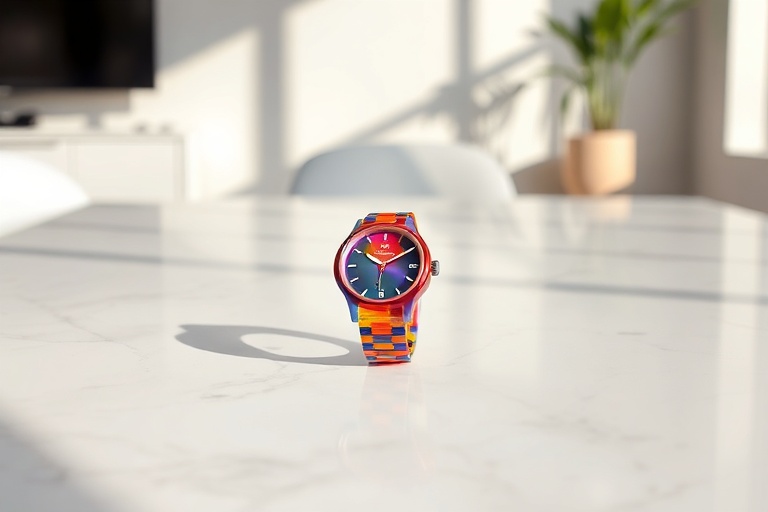
Enter Nicolas G. Hayek, a Swiss industrialist who saw opportunity in disruption. In 1983, he orchestrated a merger of Swiss watchmakers and launched Swatch as a bold new brand. The name itself was a fusion of “second watch” and “Swiss” (and, some say, nod to the idea of “splash” of color). The first models debuted in 1983, featuring bright, injection-molded plastic cases, quartz movements, and bold, playful designs.
The launch was backed by a marketing campaign that treated watches like fashion accessories. Swatch stores—often located in high-traffic urban areas—were designed like boutiques, not jewelry shops. The brand encouraged collectors to treat watches like limited-edition sneakers or designer handbags, releasing new styles seasonally and even collaborating with artists and celebrities.
Design Philosophy: Form Meets Function
Swatch’s design ethos was rooted in accessibility and expression. Unlike luxury watchmakers that emphasized exclusivity, Swatch celebrated variety. The brand released hundreds of models each year, each with unique colors, patterns, and themes—from vibrant solids to intricate prints inspired by art, music, and pop culture.
Key design principles included:
- Modular Construction: Swatch watches were designed for easy assembly and repair, using standardized parts that reduced costs and improved reliability.
- Plastic Innovation: The use of lightweight, durable plastic allowed for bold, unconventional shapes and colors that metal simply couldn’t replicate.
- Limited Editions: By releasing special collections tied to events, artists, or anniversaries, Swatch fostered a collectible culture around everyday wearables.
- Affordability: Priced between $30 and $100 (equivalent to about $100–$300 today), Swatch watches were priced for impulse purchases—unlike traditional Swiss watches that cost thousands.
Swatch’s Influence on Fashion and Consumer Culture
The Swatch phenomenon extended far beyond its product line. It helped redefine the relationship between consumers and accessories, positioning watches not as heirlooms or status symbols, but as everyday fashion statements. This shift mirrored broader cultural changes in the 1980s and 1990s, when personal expression became a driving force in consumer behavior.
Swatch also pioneered the idea of “fast fashion” in watches. Just as clothing brands like Zara and H&M released new styles every season, Swatch refreshed its lineup constantly. This created a sense of urgency—collectors felt compelled to buy now, before a design disappeared. It was a model that would later influence everything from sneaker culture to smartphone cases.
Moreover, Swatch played a pivotal role in reviving the Swiss watch industry. By the 1990s, companies like Rolex and Omega had rebounded, in part due to the renewed global prestige of Swiss watchmaking—a legacy Swatch helped restore through innovation and bold marketing.
The Legacy and Future of Swatch
Today, Swatch remains a dominant force in the fashion watch market. While it no longer dominates headlines as it did in the 1990s, it continues to thrive as a lifestyle brand. Recent collaborations—such as the Swatch x Omega partnership in 2022—have reintroduced the brand to younger audiences, blending retro charm with modern relevance.
Swatch’s story also offers a lesson in adaptability. In an era dominated by smartwatches and digital timekeeping, Swatch has pivoted toward hybrid analog-digital models and sustainable materials. The brand’s 2023 “Scuba” collection, for instance, uses recycled plastics and ocean-bound waste, aligning with growing consumer demand for eco-conscious products.
Yet the essence of Swatch remains unchanged: it’s a brand that celebrates individuality. Whether worn as a fashion statement, a collectible, or simply a reliable timekeeper, a Swatch watch still carries the spirit of its origins—a plastic icon with a Swiss soul.
Why Swatch Still Matters
In a world where luxury and technology often dictate trends, Swatch reminds us that accessibility and creativity can be just as powerful. It democratized watchmaking, proving that style doesn’t require a hefty price tag. And in an age of disposable fashion, Swatch’s longevity speaks to the enduring appeal of thoughtful design and cultural relevance.
As we look to the future, Swatch’s ability to evolve—while staying true to its playful, accessible roots—will determine whether it remains more than just a nostalgic relic. One thing is certain: the plastic timepiece that once shocked the watch world is now part of its foundation.
For those interested in the intersection of fashion, technology, and Swiss craftsmanship, Swatch remains a compelling case study. Explore more on fashion trends and tech innovations that continue to shape the accessories we wear every day.