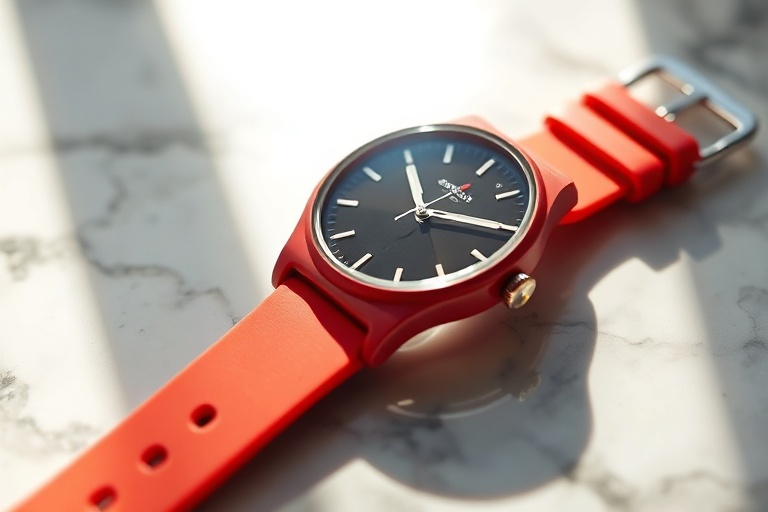
In 1983, a small Swiss watchmaker introduced a product that would challenge centuries of tradition. Swatch didn’t just create a timepiece—it redefined what a watch could be. By blending Swiss precision with pop art aesthetics and accessible pricing, the brand transformed the watch industry almost overnight. Three decades later, Swatch remains a cultural touchstone, bridging the gap between fashion and function.
The Origins: A Radical Departure from Swiss Watchmaking
Swatch emerged from the ashes of a dying Swiss watch industry in the 1970s and early 1980s. Swiss manufacturers faced intense competition from Japanese quartz movements, which offered superior accuracy at lower costs. Rather than fighting the trend, Swatch embraced it. The brand’s co-founder, Nicolas Hayek, envisioned a watch made from plastic components produced by robots—eliminating much of the traditional craftsmanship that had defined Swiss watches for centuries.
This approach wasn’t universally welcomed. Purists decried Swatch as a betrayal of Swiss heritage. Traditionalists argued that a watch should be built to last generations, not treated as disposable fashion. Yet Hayek’s strategy worked. By 1984, Swatch had sold over a million units, proving that consumers valued style, affordability, and reliability over longevity alone. The brand’s plastic cases, vibrant colors, and modular designs made it an instant hit among younger demographics who saw watches as accessories rather than heirlooms.
The Design Philosophy: Art Meets Function
One of Swatch’s most enduring contributions to watchmaking was its embrace of artistic collaboration. The brand partnered with designers, artists, and even pop stars to create limited-edition collections that blurred the line between fashion and horology. Collaborations with figures like Keith Haring in the late 1980s and contemporary artists today have kept Swatch at the forefront of cultural conversations.
The design philosophy extended beyond aesthetics. Swatch watches were built with a unique “System 51” movement, a fully automated assembly process that reduced production costs while maintaining Swiss quality standards. This innovation allowed Swatch to offer watches at price points that undercut traditional Swiss brands by a significant margin. The result was a product that felt both luxurious and attainable—a rare balance in the luxury goods market.
Cultural Impact: From Counterculture to Mainstream
Swatch’s influence extended far beyond the watch industry. In the 1980s and 1990s, Swatch watches became symbols of youth culture, youth rebellion, and even political movements. The brand’s bold colors and playful designs made it a favorite among musicians, artists, and fashion-forward individuals. Bands like Duran Duran and Madonna famously wore Swatch watches, cementing their place in pop culture history.
Swatch also played a role in the fall of the Berlin Wall. In 1989, Swatch released a limited-edition “Swatch Irony” watch with a design inspired by the Berlin Wall. The watch’s strap featured a pattern resembling the wall’s concrete segments, complete with a tiny graffiti-style logo. While the watch itself was a small gesture, it symbolized the brand’s alignment with the zeitgeist of the era—a time when walls were crumbling, both literally and metaphorically.
Swatch Today: A Brand in Transition
In recent years, Swatch has faced new challenges. The rise of smartwatches has forced the brand to adapt while staying true to its core identity. Swatch’s response has been twofold: embracing sustainability and doubling down on its fashion-forward ethos. The brand’s “Swatch x You” campaign encouraged customers to customize their watches with interchangeable straps and faces, reinforcing the idea that a Swatch is not just a timepiece but an expression of individuality.
Environmental concerns have also shaped Swatch’s modern identity. The brand has committed to reducing its carbon footprint by using recycled materials and eliminating single-use plastics in packaging. This shift aligns with growing consumer demand for sustainable luxury—a trend that Swatch was uniquely positioned to address given its history of innovation.
Why Swatch Still Matters: Lessons for Modern Watchmaking
Swatch’s story offers several key lessons for the modern watch industry. First, it demonstrates the power of redefining luxury. Swatch proved that luxury isn’t solely about exclusivity or longevity; it can also be about accessibility, creativity, and emotional connection. Second, Swatch showed that collaboration is a powerful tool for innovation. By partnering with artists and designers, the brand kept its product fresh and relevant across decades.
Finally, Swatch underscores the importance of adaptability. In an era where technology constantly reshapes consumer expectations, Swatch has managed to stay relevant by balancing tradition with innovation. Whether it’s through sustainable practices or interactive campaigns, the brand continues to evolve while staying true to its core values.
Key Takeaways: What Makes Swatch Unique
- Accessible Luxury: Swatch made Swiss watches affordable without sacrificing quality, democratizing luxury for a new generation.
- Artistic Collaboration: The brand’s partnerships with artists and designers turned watches into canvases, bridging the gap between fashion and horology.
- Cultural Relevance: From pop music to political movements, Swatch watches have been woven into the fabric of modern culture.
- Innovation in Production: Swatch’s automated manufacturing processes set new standards for efficiency and cost-effectiveness in watchmaking.
- Adaptability: By embracing sustainability and customization, Swatch has remained relevant in an ever-changing market.
Swatch’s journey from industry disruptor to cultural icon is a testament to the power of innovation and bold thinking. In a world where luxury often feels out of reach, Swatch offers a reminder that style, quality, and affordability can coexist. As the watch industry continues to evolve, Swatch’s legacy serves as both an inspiration and a challenge to brands striving to balance tradition with progress.
For those interested in exploring more about the intersection of fashion and technology, check out our Fashion section, where we dive into the latest trends shaping the industry. Additionally, our Technology category offers insights into how smart innovations are transforming traditional accessories.