The Evolution and Impact of Festivals in Modern Society
What Defines a Festival in Modern Culture
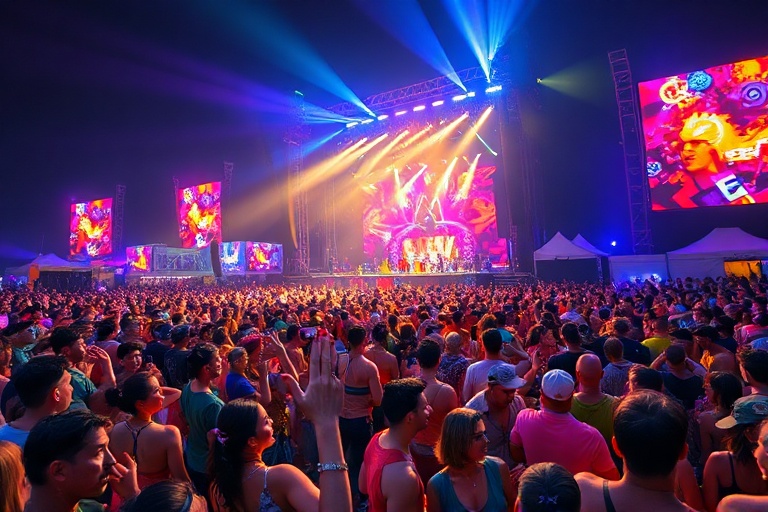
Festivals have evolved from simple communal gatherings into elaborate events that shape cultural identity and economic trends. While traditional festivals often celebrated harvests or religious occasions, contemporary festivals blend art, music, food, and technology into immersive experiences. The shift reflects broader changes in how societies celebrate, consume, and connect.
Today’s festivals are not just about entertainment; they serve as platforms for self-expression and social commentary. Organizers curate lineups and themes that resonate with current global conversations, from sustainability to social justice. This evolution has transformed festivals into microcosms of modern life, where attendees explore new ideas and identities.
The Economic and Social Impact of Major Festivals
Large-scale festivals generate billions in revenue annually, supporting local businesses and creating jobs in host cities. For example, music festivals like Coachella and Glastonbury attract hundreds of thousands of visitors, boosting tourism and hospitality sectors. These events also foster community pride, as residents often participate in planning and volunteering.
Beyond economics, festivals strengthen social bonds by bringing diverse groups together. Shared experiences at festivals can bridge cultural divides and promote inclusivity. However, the rapid growth of some festivals has raised concerns about over-commercialization and environmental strain. Balancing profitability with sustainability remains a critical challenge for organizers.
Types of Festivals and Their Unique Appeal
Festivals span a wide range of themes, each offering distinct experiences. Music festivals dominate the scene, with genres like electronic, rock, and jazz drawing dedicated fanbases. Meanwhile, film festivals celebrate cinematic artistry, often serving as launchpads for independent filmmakers. Food festivals, on the other hand, spotlight culinary innovation and regional specialties.
Themed festivals, such as comic cons or literary gatherings, cater to niche audiences with shared interests. These events thrive on community engagement, offering workshops, panels, and interactive exhibits. Meanwhile, cultural festivals preserve heritage through music, dance, and traditional crafts. The variety ensures there’s something for everyone, from mainstream entertainment to grassroots expressions.
Here’s a breakdown of some popular festival types:
- Music Festivals: Bonnaroo, Tomorrowland, Lollapalooza
- Film Festivals: Sundance, Cannes, Toronto International Film Festival
- Food Festivals: Taste of Chicago, South Beach Wine & Food Festival
- Cultural Festivals: Diwali celebrations, Chinese New Year festivals
The Role of Technology in Shaping Festival Experiences
Technology has revolutionized how festivals are planned, marketed, and experienced. Mobile apps now streamline ticketing, navigation, and real-time updates for attendees. Augmented reality (AR) and virtual reality (VR) are being integrated into stages and installations, creating interactive environments. Social media amplifies reach, allowing festivals to engage global audiences before, during, and after events.
However, technology also introduces challenges, such as digital fatigue and privacy concerns. Some festivals now implement “tech-free zones” to encourage mindfulness and presence. Drones and live streaming expand accessibility, enabling remote participation. As festivals continue to evolve, technology will play an increasingly pivotal role in their design and execution.
Sustainability: A Growing Priority for Festival Organizers
The environmental impact of festivals has come under scrutiny, prompting a shift toward sustainable practices. Organizers are adopting measures like zero-waste initiatives, renewable energy sources, and carbon offset programs. For instance, some festivals ban single-use plastics and partner with local farms for food sourcing. These efforts not only reduce ecological footprints but also resonate with eco-conscious attendees.
Yet, sustainability extends beyond waste management. Transportation emissions and venue construction also contribute to festivals’ carbon footprints. Innovative solutions, such as shuttle services and modular stages, are gaining traction. Festivals like Burning Man have set benchmarks for sustainability, proving that large-scale events can prioritize the planet without sacrificing excitement.
Conclusion: Why Festivals Matter More Than Ever
Festivals are more than just temporary escapes; they are vital expressions of culture, creativity, and community. They provide spaces for learning, celebration, and connection in an increasingly fragmented world. As festivals adapt to technological and environmental demands, they will continue to reflect the values and aspirations of society.
The future of festivals lies in balancing innovation with responsibility. By embracing sustainability, inclusivity, and technology, these events can remain relevant and impactful. For attendees, festivals offer a chance to break routine, explore new perspectives, and forge lasting memories. In essence, they remind us of the power of shared human experiences.