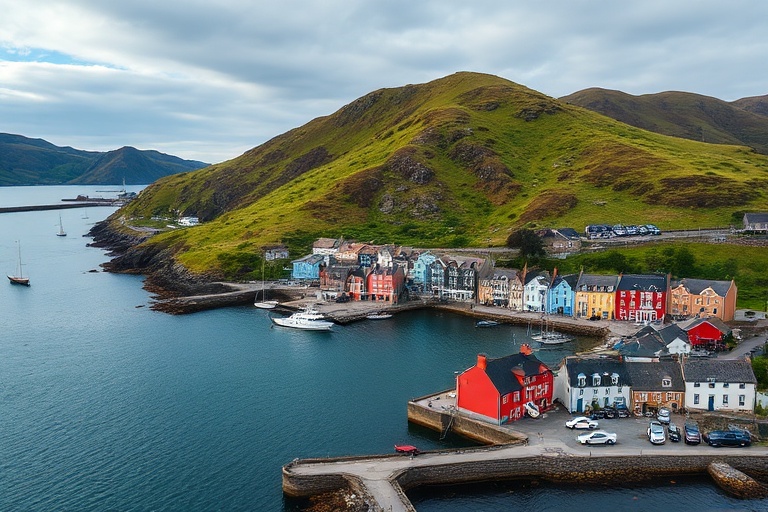
Tobermory: The Jewel of Fathom Five National Marine Park
Nestled on the northern tip of the Bruce Peninsula in Ontario, Canada, Tobermory is a small town with an outsized reputation. Known for its rugged natural beauty, crystal-clear waters, and dramatic limestone cliffs, this destination has become a bucket-list stop for travelers seeking both adventure and tranquility. Unlike larger tourist hubs, Tobermory retains an authentic charm, where the pace of life slows to match the rhythm of the waves.
The town’s name itself hints at its maritime heritage. Derived from the Gaelic Tobar Mhoire—meaning “Mary’s Well”—Tobermory has long been a haven for sailors, fishermen, and explorers. Today, it serves as the gateway to Fathom Five National Marine Park, Canada’s first underwater park, which protects shipwrecks and vibrant marine ecosystems. This dual identity—land and sea—defines Tobermory’s appeal, offering visitors the chance to hike towering cliffs one day and snorkel over sunken ships the next.
The Natural Wonders of Tobermory
The landscape around Tobermory is nothing short of spectacular. The Bruce Peninsula, a UNESCO World Biosphere Reserve, is a geological marvel, featuring some of the oldest rock formations on Earth. The Niagara Escarpment, a 725-kilometer-long ridge of limestone and dolomite, dominates the region, creating a dramatic backdrop for outdoor activities.
One of the most iconic features is Flowerpot Island, accessible by boat from Tobermory. Named for its towering rock formations resembling flowerpots, the island offers hiking trails that lead to hidden caves, turquoise coves, and panoramic views of Georgian Bay. The Halfway Log Dump, a scenic spot along the Bruce Trail, provides a challenging but rewarding hike with vistas that stretch for miles.
Below the surface, the waters of Lake Huron are equally mesmerizing. The clear, cold currents of Fathom Five protect 22 known shipwrecks, making it a world-class destination for divers. The Sweepstakes, a 19th-century schooner, lies just 20 feet below the surface, its hull encrusted with mussels and home to schools of fish. Snorkelers can explore the Munson and City of Grand Rapids, both within easy reach from shore.
A Town Steeped in History
Tobermory’s history is as layered as its geology. The area was originally home to the Saugeen Ojibway Nation, who relied on the land and water for sustenance and trade. European settlers arrived in the 1800s, drawn by the promise of fishing and shipping routes. The town’s namesake, the HMS Tobermory, a British warship, was wrecked off the coast in 1885, adding a layer of naval history to the region.
By the early 20th century, Tobermory had become a bustling port, serving as a supply hub for nearby lighthouses and fishing villages. The Cove Range Lighthouse, built in 1859, still stands as a testament to the town’s maritime past. Today, visitors can explore the Tobermory Lighthouse and museum, which offers insights into the challenges faced by early sailors navigating the treacherous waters of Georgian Bay.
The town’s architecture reflects its seafaring roots. Wooden storefronts line the main street, housing art galleries, cafés, and outfitters. The Big Tub Lighthouse, built in 1885, is another landmark that has been preserved as a symbol of Tobermory’s enduring connection to the water. While modern amenities have arrived, the town has managed to retain its small-town character, free from the overdevelopment seen in other tourist destinations.
Adventure Awaits: Activities in and Around Tobermory
For those seeking adrenaline, Tobermory delivers. The Bruce Trail, Canada’s oldest and longest marked hiking trail, passes through the town, offering sections that range from easy strolls to challenging climbs. The Bruce Trail Conservancy maintains over 400 kilometers of trails in the region, ensuring that hikers of all skill levels can find a route that suits them.
Water-based activities are equally abundant. Kayaking and canoeing are popular ways to explore the shoreline, with rentals available for those who want to venture out on their own. Guided boat tours, such as those offered by Blue Heron Cruises, provide a chance to see the shipwrecks up close while learning about the history and ecology of the area. Glass-bottom boat tours are a unique option for those who prefer to stay dry while still enjoying the underwater sights.
In the winter, Tobermory transforms into a snowy wonderland. Cross-country skiing and snowshoeing become the primary modes of exploration, with trails like the Lion’s Head Loop offering stunning views of the frozen landscape. The Tobermory Winter Carnival, held annually in February, celebrates the season with ice sculptures, snow games, and bonfires along the shore.
For a more relaxed experience, visitors can browse the local shops and galleries. The Tobermory Brewing Company offers craft beers brewed with local ingredients, while the Tobermory Honey Company sells honey harvested from bees that forage on the peninsula’s wildflowers. The town’s dining scene is equally impressive, with restaurants serving fresh Lake Huron whitefish, locally foraged mushrooms, and artisanal cheeses.
Why Tobermory Stands Out
What sets Tobermory apart from other travel destinations is its balance of accessibility and untouched beauty. Unlike crowded hotspots that require long treks to find solitude, Tobermory offers seclusion within a few hours’ drive from major cities like Toronto and London. Its compact size makes it easy to explore in a weekend, yet there’s enough to see and do to fill a week-long trip.
The town’s commitment to conservation is evident in its protected areas and sustainable tourism practices. The Bruce Peninsula National Park, adjacent to Fathom Five, was established in 1987 to preserve the region’s biodiversity. Visitors are encouraged to follow Leave No Trace principles, ensuring that Tobermory remains pristine for future generations.
Tobermory also holds a special place in the hearts of Canadians. It’s a destination that inspires loyalty, with many visitors returning year after year. Whether it’s the first glimpse of the Grotto’s blue waters, the thrill of spotting a shipwreck, or the simple joy of watching the sunset over Georgian Bay, Tobermory leaves a lasting impression.
The Best Time to Visit
Tobermory is a year-round destination, but the ideal time to visit depends on what you want to experience.
- Spring (May-June): Fewer crowds and mild temperatures make this a perfect time for hiking and kayaking. Wildflowers begin to bloom, adding splashes of color to the landscape.
- Summer (July-August): The busiest season, with warm weather and long daylight hours. Water activities are at their peak, but visitors should expect higher prices and larger crowds.
- Fall (September-October): The fall foliage is spectacular, with the Bruce Peninsula’s maples and oaks transforming into a vibrant tapestry. Cooler temperatures and fewer tourists create an ideal setting for hiking and photography.
- Winter (November-March): A quiet, serene time to visit. Snowshoeing, cross-country skiing, and ice fishing are popular, and the town takes on a peaceful, almost magical quality.
Regardless of the season, Tobermory’s beauty is undeniable. It’s a place where nature’s raw power and delicate fragility coexist, where history whispers from the waves, and where adventure is always within reach.
A Place to Remember
Tobermory is more than just a destination—it’s an experience. It challenges visitors to slow down, to look closely, and to appreciate the intricate details of the natural world. Whether you’re hiking to the top of the Devil’s Monument, diving into the depths to explore a shipwreck, or simply sitting on a rocky outcrop watching the sun dip below the horizon, Tobermory has a way of etching itself into your memory.
For those who venture there, Tobermory becomes a touchstone—a place they’ll carry with them long after they’ve returned home. It’s a reminder that some of the world’s most breathtaking wonders aren’t found in guidebooks or on postcards, but in the quiet corners where adventure and tranquility intersect.