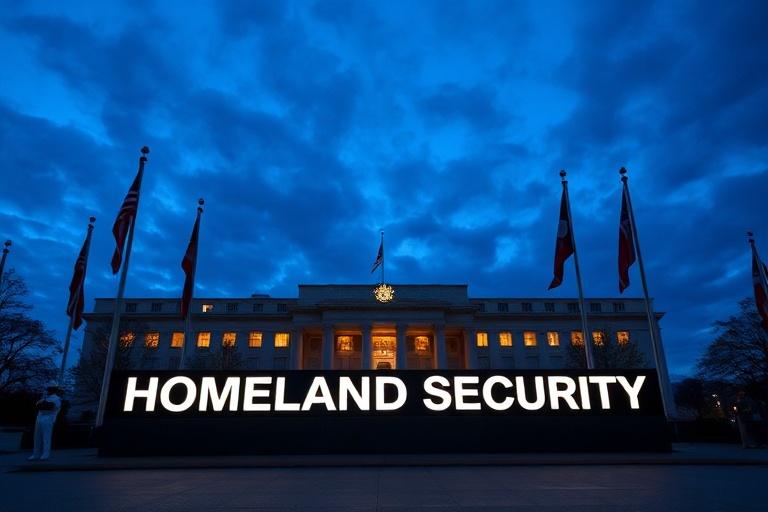
U.S. Department of Homeland Security: Global Security and Policy Insights
The U.S. Department of Homeland Security (DHS) stands as a cornerstone of national security, not just for the United States but as a model for global security frameworks. Established in the aftermath of the September 11 attacks, the DHS has evolved into a multifaceted agency tasked with protecting American citizens, critical infrastructure, and the nation’s interests at home and abroad. Its creation marked a significant shift in how governments approach homeland security, blending domestic and international strategies to address threats that transcend borders.
From cybersecurity to disaster response, the DHS plays a pivotal role in shaping policies that resonate far beyond U.S. shores. The agency’s influence extends into global security dialogues, where its practices often set benchmarks for other nations. This article explores the DHS’s structure, its global impact, and the cultural context of its operations, offering insights into how one of the world’s most powerful security agencies navigates an increasingly interconnected threat landscape.
The Origins and Evolution of the DHS
The Department of Homeland Security was officially created on November 25, 2002, when President George W. Bush signed the Homeland Security Act into law. The legislation consolidated 22 disparate federal agencies into a single department, bringing together entities like the Transportation Security Administration (TSA), Immigration and Customs Enforcement (ICE), and the Federal Emergency Management Agency (FEMA) under one umbrella. This consolidation was a direct response to the vulnerabilities exposed by the 9/11 attacks, which revealed gaps in coordination among federal agencies responsible for security.
The DHS’s formation was not just a bureaucratic reshuffle; it represented a fundamental rethinking of national security. Before 2002, the U.S. lacked a unified agency dedicated to homeland security, leaving gaps in intelligence sharing, border protection, and emergency response. The creation of the DHS aimed to close these gaps by fostering collaboration among agencies that previously operated in silos. Over the past two decades, the department has expanded its mandate to include cybersecurity, counterterrorism, and even public health preparedness, reflecting the ever-changing nature of threats.
Today, the DHS employs over 240,000 people and has a budget exceeding $90 billion, making it one of the largest federal departments. Its reach is vast, encompassing everything from protecting the nation’s borders to safeguarding critical infrastructure like power grids and financial systems. The DHS’s evolution mirrors the broader shifts in global security, where traditional threats like terrorism now coexist with emerging challenges such as cyberattacks and climate-related disasters.
The DHS’s Global Influence and Cultural Impact
While the DHS is a U.S.-centric agency, its policies and practices have ripple effects across the globe. The department’s approach to security—particularly its emphasis on intelligence sharing and international cooperation—has influenced security frameworks in other countries. For example, the DHS’s use of biometric data for border security has been adopted by nations like Canada, Australia, and several European Union members. This global adoption underscores how the DHS’s innovations in security technology and policy often transcend national boundaries.
The DHS also plays a role in shaping global narratives around security and immigration. Its policies, such as the enforcement of immigration laws and the deployment of border patrol agents, are frequently scrutinized in international media. These policies often spark debates about human rights, sovereignty, and the balance between security and civil liberties—a tension that resonates in countries grappling with similar challenges. For instance, the DHS’s use of detention centers for immigrants has drawn comparisons to policies in Europe and Australia, highlighting the universal nature of these debates.
Culturally, the DHS has become a symbol of both protection and controversy. In the U.S., it is often portrayed in media as a bulwark against terrorism and natural disasters, with agencies like FEMA frequently featured in news coverage during crises. However, the DHS is also a subject of criticism, particularly regarding its immigration policies and surveillance practices. These cultural narratives reflect the broader tensions in American society about security versus freedom, a debate that plays out in global contexts as well.
Key Agencies Under the DHS Umbrella
The DHS’s effectiveness stems from the diverse array of agencies it oversees. Each of these agencies plays a unique role in the broader mission of homeland security. Below is a breakdown of some of the most prominent agencies under the DHS:
- Transportation Security Administration (TSA): Responsible for securing the nation’s transportation systems, including airports, seaports, and rail systems. The TSA is perhaps best known for its role in airport security screening.
- Customs and Border Protection (CBP): Manages U.S. borders and ports of entry, focusing on preventing illegal immigration, smuggling, and terrorism. The CBP is the nation’s largest law enforcement agency.
- Immigration and Customs Enforcement (ICE): Enforces immigration laws and investigates crimes related to border security, human trafficking, and cybercrimes. ICE is often at the center of debates about immigration policy.
- Federal Emergency Management Agency (FEMA): Coordinates the federal government’s response to natural disasters, such as hurricanes, wildfires, and floods. FEMA’s role has expanded in recent years due to the increasing frequency of extreme weather events.
- Cybersecurity and Infrastructure Security Agency (CISA): Protects the nation’s critical infrastructure from cyber threats. CISA works with both public and private sectors to ensure the resilience of systems like power grids and financial networks.
The DHS in the 21st Century: Challenges and Adaptations
The DHS operates in a security landscape that is more complex than ever. Traditional threats like terrorism and illegal immigration remain significant, but they are now compounded by emerging challenges such as cyber warfare, climate change, and pandemics. The department has had to adapt rapidly to these changes, often reallocating resources and rethinking strategies to address new threats.
One of the most pressing challenges facing the DHS is the rise of cyber threats. Cyberattacks on critical infrastructure, such as the Colonial Pipeline ransomware attack in 2021, have demonstrated the vulnerabilities of modern society. The DHS’s Cybersecurity and Infrastructure Security Agency (CISA) has become a key player in mitigating these threats, working with private companies to bolster their defenses. However, the pace of technological change means that the DHS must continuously update its strategies to stay ahead of cybercriminals and state-sponsored hackers.
Climate change is another area where the DHS’s role is evolving. Natural disasters are becoming more frequent and severe, putting additional strain on FEMA and other agencies tasked with disaster response. The DHS has begun to incorporate climate resilience into its planning, recognizing that extreme weather events pose a significant threat to national security. This shift reflects a broader understanding that climate change is not just an environmental issue but a security concern as well.
The DHS has also had to navigate the complexities of the post-9/11 world, where the definition of homeland security has expanded to include everything from public health crises to election security. The COVID-19 pandemic, for example, saw the DHS play a critical role in coordinating the federal response, including the distribution of vaccines and personal protective equipment. This adaptability has reinforced the DHS’s reputation as a flexible and resilient agency, capable of responding to a wide range of threats.
The Future of the DHS: Balancing Security and Liberty
As the DHS moves forward, it faces a fundamental question: How can it balance the need for security with the preservation of civil liberties? This tension is not unique to the U.S.; it is a global issue that resonates in countries around the world. The DHS’s policies on surveillance, immigration, and data collection are often at the center of these debates, with critics arguing that some measures infringe on individual rights.
Looking ahead, the DHS will likely continue to play a central role in shaping global security policies. Its work in areas like artificial intelligence, biometrics, and international cooperation will be critical in addressing the threats of the future. However, the agency will also need to address concerns about transparency and accountability, ensuring that its actions align with democratic values and human rights.
For those interested in the broader implications of homeland security, the DHS’s work offers a window into the challenges and opportunities of the 21st century. Whether it’s through its domestic efforts to protect citizens or its international collaborations to combat transnational threats, the DHS remains a vital institution in an increasingly interconnected world. As threats evolve, so too must the strategies of the DHS, ensuring that it remains a bulwark against the uncertainties of the future.
For further reading on related topics, explore our News and Analysis sections, where we delve deeper into the intersections of security, policy, and global affairs.