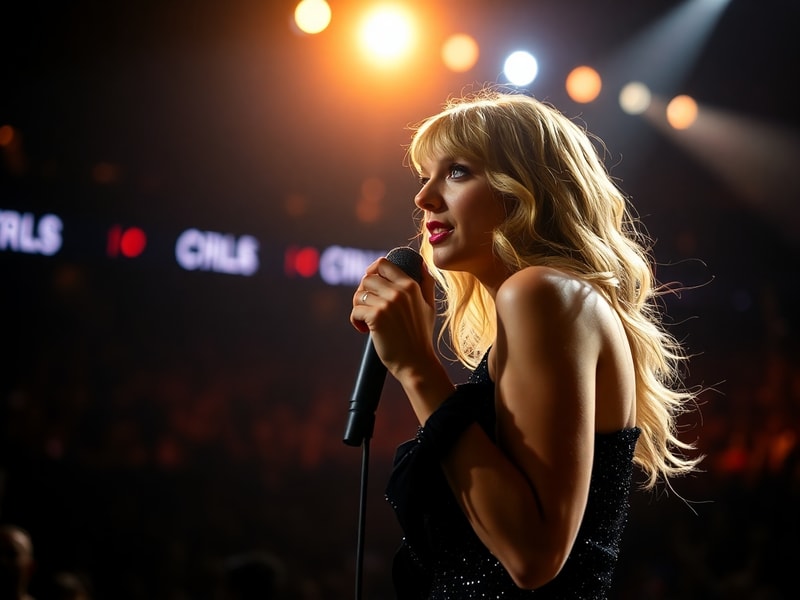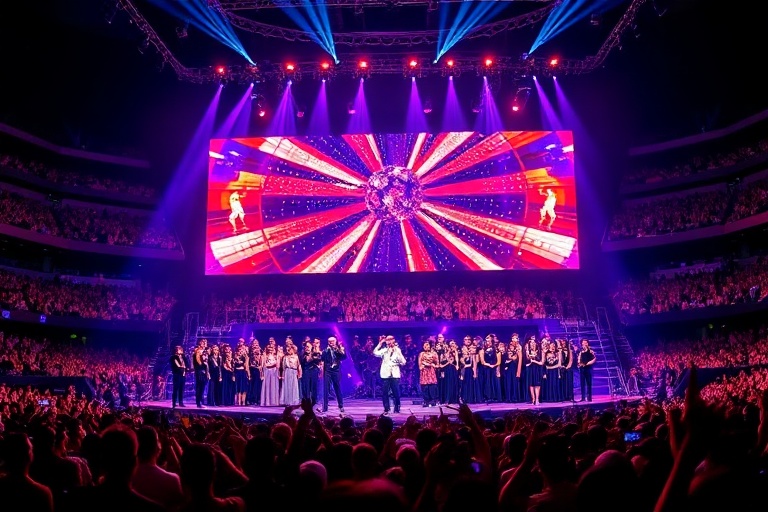
As the Eurovision Song Contest continues to grow in global prominence, the United Kingdom faces a critical moment in its preparation for the 2026 edition. The BBC, responsible for selecting and broadcasting the UK’s entry, is under pressure to deliver a competitive performance that can revive the nation’s standing on the international stage. With recent years yielding mixed results, the stakes have never been higher for a country that once dominated the competition.
Historically, the UK has been a powerhouse in Eurovision, particularly during the contest’s early decades. From Matt Monro’s 1964 victory with “I Love the Little Things” to Bucks Fizz’s iconic 1981 win with “Making Your Mind Up,” British entries have left an indelible mark. However, the past two decades have seen a decline in fortunes, with only two top-10 finishes since 2000. This downward trend has sparked discussions about the UK’s approach to selection, artistic direction, and public engagement.
How the UK Selects Its Eurovision Entry
The BBC’s selection process for the UK entry has evolved over the years, balancing public voting with industry expertise. For Eurovision 2026, the broadcaster is expected to adopt a strategy that combines fan engagement with professional songwriting and production. Recent reports suggest that the BBC may once again turn to a public competition, such as BBC Introducing, to identify emerging talent before narrowing down the field through internal evaluations.
Key considerations in the selection process include:
- Originality: The UK must avoid clichés and deliver a song that stands out musically and lyrically.
- Performance: A visually compelling stage presence is essential, given Eurovision’s emphasis on spectacle.
- Cultural resonance: The entry should reflect contemporary British music while appealing to a pan-European audience.
- Vocal ability: Strong lead vocals and harmonies are often decisive in Eurovision’s jury and public voting.
Notable past selections, such as Sam Ryder’s 2022 runner-up “Space Man,” demonstrated the impact of a well-crafted pop anthem with emotional depth. Ryder’s performance revitalized UK interest in Eurovision, proving that a strong song and charismatic delivery can resonate far beyond national borders.
The Broader Implications for the UK’s Eurovision Future
Beyond the competition itself, the UK’s Eurovision 2026 entry carries broader implications for its cultural and diplomatic influence in Europe. The contest has increasingly become a platform for soft power, where music transcends borders to foster connections. A strong UK performance could reassert the country’s role as a cultural leader, while a lackluster result may further marginalize its presence in European cultural discourse.
Moreover, the financial and logistical commitments involved in preparing for Eurovision are substantial. The BBC’s investment in staging a competitive entry—including songwriting camps, choreography, and promotional tours—reflects the contest’s growing commercial significance. For 2026, industry insiders anticipate a more streamlined yet ambitious approach, leveraging social media and streaming platforms to maximize the entry’s reach.
Another factor is the evolving voting system in Eurovision, which now places greater emphasis on younger demographics. This shift favors entries that blend contemporary sounds with universal appeal. The UK’s ability to adapt to these changes will be crucial in securing a top placement.
What Fans and Critics Are Saying
Public anticipation for the UK’s 2026 entry is already palpable, with speculation rife across music forums and social media. Fans have called for a return to the UK’s roots in pop and rock, while critics argue for bold experimentation to differentiate the entry from competitors. The BBC’s announcement of a new selection committee, featuring industry veterans and Eurovision alumni, has fueled optimism that the UK can reclaim its former glory.
However, challenges remain. The UK’s absence from the 2023 and 2024 top 10 has led to questions about its long-term strategy. Some advocate for a more consistent investment in talent development, while others urge a focus on niche genres that could captivate Eurovision’s diverse audience. The debate underscores the complexity of balancing artistic integrity with commercial viability.
One emerging trend is the collaboration between UK artists and international producers, aiming to create a sound that appeals to both domestic and European tastes. This approach was successfully employed by Ukraine in 2022 and Sweden in 2023, where cross-border partnerships yielded standout performances.
A Path Forward for the UK
As the BBC finalizes its plans for Eurovision 2026, the UK stands at a crossroads. The selection of the right artist and song will be pivotal, but so too will be the broader cultural narrative surrounding the entry. Will the UK embrace nostalgia, or will it push boundaries to redefine its Eurovision identity?
What is clear is that the stakes extend beyond a single competition. The UK’s Eurovision 2026 entry represents an opportunity to reconnect with European audiences, reaffirm its cultural influence, and inspire a new generation of music fans. With the world watching, the pressure is on—but so too is the potential for a triumphant return.
For those eager to follow the journey, updates on the selection process and behind-the-scenes insights will be available on Dave’s Locker’s Music section, where Eurovision enthusiasts can dive deeper into the contest’s evolving landscape.
As Eurovision 2026 approaches, one thing is certain: the UK’s next entry will be more than just a song. It will be a statement—one that could shape the nation’s cultural legacy for years to come.