Why the Indianapolis 500 Still Dominates Global Racing Culture
The Indianapolis 500: A Century of Speed, Tradition, and Innovation
The Indianapolis 500, affectionately known as “The Greatest Spectacle in Racing,” is more than just a sporting event—it is a cultural institution. Since its inception in 1911, the race has evolved from a regional endurance test into a global showcase of engineering brilliance, driver skill, and American motorsport heritage. Held annually on Memorial Day weekend at the Indianapolis Motor Speedway in Indiana, the event draws over 300,000 spectators to the 2.5-mile oval and millions more through international broadcasts.
What began as a 500-mile endurance contest has become a symbol of innovation in automotive technology. From the introduction of turbocharging in the 1960s to today’s hybrid power units, the Indy 500 has consistently pushed the boundaries of what’s possible on four wheels. Its influence extends far beyond U.S. borders, shaping global motorsport regulations and inspiring racing cultures from Europe to Asia.
The Race’s Enduring Appeal: Why It Matters Beyond the Track
The Indianapolis 500 is deeply embedded in American identity. It coincides with Memorial Day, a time of national reflection, and its pageantry—from the singing of “Back Home Again in Indiana” to the release of thousands of balloons—creates a ritualistic atmosphere unmatched in sports. Yet its significance transcends patriotism. The race has become a global stage where international drivers, teams, and sponsors converge, reflecting the increasingly interconnected world of motorsport.
In the early 20th century, American racing was largely isolated from European traditions of Grand Prix racing. The Indy 500, however, quickly attracted foreign competitors. By the 1960s, drivers like Jim Clark of Scotland and Graham Hill of England had claimed victory, proving that speed and strategy know no borders. Today, champions such as Takuma Sato (Japan), Marcus Ericsson (Sweden), and Hélio Castroneves (Brazil) have etched their names into the Borg-Warner Trophy, reinforcing the event’s global character.
- International Participation: Over 30% of recent Indy 500 drivers have come from outside the U.S., with strong representation from Brazil, Canada, and Europe.
- Technological Exchange: European teams like Andretti Autosport and McLaren have brought advanced aerodynamics and hybrid systems to the IndyCar Series.
- Cultural Exchange: The race weekend features fan festivals with global food vendors, music stages featuring international artists, and VIP hospitality that caters to a diverse audience.
Engineering and Innovation: The Unseen Forces Behind the Speed
The Indianapolis 500 has long been a proving ground for automotive technology. In the 1930s, Miller and Offenhauser engines dominated, setting standards for power-to-weight ratios. The 1960s saw the introduction of turbocharged engines, which increased horsepower from around 400 to over 1,000. This era coincided with the rise of European teams entering the race, leading to a cross-pollination of ideas between IndyCar and Formula 1.
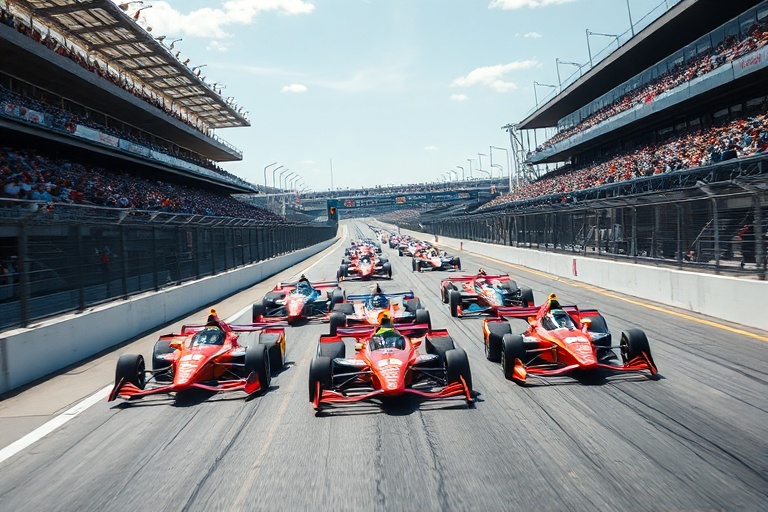
Modern Indy 500 cars, known as IndyCars, are marvels of aerodynamics and safety. With average speeds exceeding 230 mph on the main straightaway, they represent the pinnacle of open-wheel racing. Unlike Formula 1, IndyCars use a spec chassis and engine package, ensuring competitive balance. This approach has made the technology more accessible and has influenced global racing categories, including NASCAR and sportscar endurance racing.
The race’s commitment to innovation extends beyond the track. In 2024, IndyCar introduced hybrid powertrains, a move that aligns with global trends toward sustainability and energy efficiency in motorsport. While critics argue that hybrid systems complicate the purity of racing, proponents point to their potential to reduce emissions and attract new manufacturers to the sport.
The Human Element: Stories That Define the Indy 500
Beyond statistics and engineering, the Indianapolis 500 is a tapestry of human drama. The race has seen triumph and tragedy in equal measure. In 1964, Jim Clark’s victory marked the first of four wins for foreign drivers in the decade, signaling a shift in global racing dominance. Yet the same year, Dave MacDonald and Eddie Sachs died in a fiery first-lap crash, a stark reminder of the sport’s dangers.
Some stories have transcended the sport entirely. A.J. Foyt, Mario Andretti, and Rick Mears each won the race four times, cementing their legacies. Helio Castroneves became the first three-time winner in the 21st century, his 2021 victory at age 46 defying expectations and inspiring a new generation. Meanwhile, Dan Wheldon’s tragic death in a 2011 crash at Las Vegas led to sweeping safety reforms across IndyCar, proving that the race’s influence extends beyond the track.
The Indy 500 has also become a platform for social change. In 2022, the race featured its first all-female lineup in qualifying, with drivers like Simona de Silvestro and Pipa Mann making history. The track has hosted benefit races for cancer research, veterans’ causes, and disaster relief, reinforcing its role as a unifying force in American culture.
The Indy 500’s Role in the Global Racing Ecosystem
The Indianapolis 500 is not just a standalone event; it is the centerpiece of a broader racing ecosystem that includes the IndyCar Series, feeder series like Indy Lights, and international collaborations. The track has hosted Formula 1 races, NASCAR events, and even concerts by global acts like Taylor Swift and The Rolling Stones. Its versatility has made it a cultural landmark, much like Monaco’s Grand Prix or Le Mans 24 Hours.
In recent years, the race has embraced digital innovation. Fans can now experience the event through virtual reality broadcasts, interactive apps that track telemetry in real time, and social media campaigns that highlight behind-the-scenes stories. These tools have expanded the Indy 500’s reach to younger audiences, ensuring its relevance in an era dominated by esports and streaming platforms.
The race’s global appeal is also evident in its economic impact. According to a 2023 study, the Indianapolis 500 generates over $400 million in annual revenue for the local economy, supporting hotels, restaurants, and small businesses. Its international broadcast deals reach audiences in over 150 countries, with partnerships with networks like Sky Sports in the UK and ESPN in Latin America.
A Tradition That Continues to Evolve
The Indianapolis 500 stands as a testament to the enduring power of tradition and innovation. It is a race where the past and future collide—where vintage cars like the 1960s roadsters share the track with futuristic hybrid machines. It is a sporting event where legends are made and lives are changed, all within 500 miles of high-speed drama.
As the race approaches its 110th anniversary in 2025, its ability to adapt while preserving its core identity will determine its future. With growing interest in sustainable racing and a new generation of global drivers, the Indy 500 is poised to remain a cornerstone of motorsport for decades to come.
For fans around the world, the Indianapolis 500 is more than a race—it is a celebration of speed, culture, and human achievement. Whether you’re watching from the infield or streaming from halfway across the globe, the roar of the engines and the smell of methanol fuel a shared passion that transcends borders.
Explore more about motorsport history and innovation on Dave’s Locker Automotive.
For in-depth coverage of the IndyCar Series and other racing events, visit our Sports section.