Astana: Kazakhstan’s Futuristic Capital Blending Tradition and Modernity
Nestled along the banks of the Ishim River, Astana stands as a testament to Kazakhstan’s ambition and rapid transformation. Since becoming the capital in 1997, this city has evolved from a modest Soviet outpost into a gleaming metropolis that blends futuristic architecture with deep historical roots. Its wide boulevards, towering skyscrapers, and carefully planned districts reflect a nation eager to project its identity on the global stage.
The city’s name alone tells a story—originally known as Akmolinsk, then Tselinograd during the Soviet era, it was renamed Astana (meaning “capital”) in 1998 before adopting the Kazakh name Nur-Sultan in 2019, only to revert to Astana in 2022. This fluid identity mirrors Kazakhstan’s journey through independence, economic growth, and cultural redefinition. Today, Astana is more than just a political center; it is a living laboratory of urban planning, diplomacy, and national pride.
The Architectural Marvels of a Futuristic City
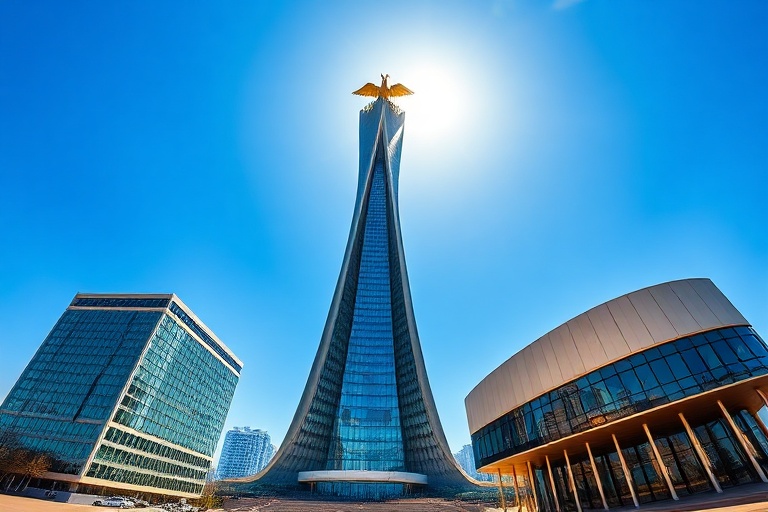
Astana’s skyline is dominated by structures that defy convention. The Bayterek Tower, with its golden egg cradled in open branches, symbolizes the city itself—a blend of tradition and innovation. At 105 meters tall, the tower offers panoramic views and houses an art gallery and museum, reinforcing Astana’s role as a cultural hub. Nearby, the Khan Shatyr Entertainment Center resembles a giant white tent, designed by Norman Foster to house an indoor beach, shopping mall, and cinema under one translucent canopy.
The Palace of Peace and Reconciliation, often called the Pyramid of Peace, serves as both a conference venue and a symbol of Kazakhstan’s commitment to global harmony. Its geometric design and glass facade reflect light in ways that change with the seasons, reinforcing the city’s dynamic character. These buildings are not merely functional; they are ideological statements—each telling a part of Kazakhstan’s narrative of progress and unity.
Beyond the iconic landmarks, Astana’s urban fabric is meticulously planned. The city is divided into districts such as the Left Bank, home to government buildings and residential zones, and the Right Bank, where commercial and entertainment complexes thrive. Wide, clean streets and abundant green spaces create a sense of order and livability, despite the city’s harsh continental climate with temperatures swinging from -40°C in winter to 35°C in summer.
A Diplomatic Crossroads in the Heart of Eurasia
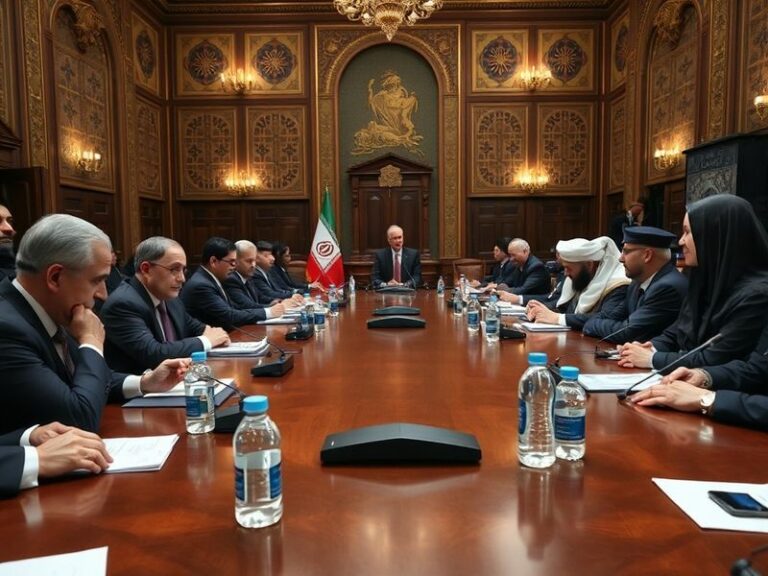
Astana has positioned itself as a neutral meeting ground for international dialogue. The city hosted the Astana Process, a series of talks aimed at resolving the Syrian conflict, demonstrating Kazakhstan’s growing influence in global affairs. It also serves as the headquarters for the Eurasian Economic Union and the International Fund for Saving the Aral Sea, underscoring its role as a bridge between Europe and Asia.
The annual Astana Economic Forum attracts world leaders, economists, and business figures to discuss pressing global challenges. In 2023, the forum focused on sustainable development and digital transformation, reflecting Kazakhstan’s push toward a diversified, knowledge-based economy. These events transform the city into a temporary capital of ideas, where policy debates shape real-world outcomes.
Diplomatic missions from over 100 countries operate in Astana, and the city’s skyline includes embassies designed with cultural sensitivity in mind. The U.S. Embassy, for example, features Kazakh motifs in its architecture, symbolizing the bilateral relationship’s depth. Such details highlight how Astana is not just a political center but a canvas where diplomacy is literally and figuratively constructed.
From Nomadic Roots to a Cosmopolitan Identity
Despite its modern veneer, Astana retains threads of its nomadic heritage. The Khan Shatyr Market, one of Central Asia’s largest shopping centers, offers everything from traditional Kazakh handicrafts to contemporary fashion. Vendors sell beshbarmak, a dish of boiled horse meat and noodles, alongside sushi and Italian espresso, illustrating the city’s blend of old and new.
The National Museum of the Republic of Kazakhstan is another key site where history and modernity intersect. Opened in 2014, the museum’s seven floors chronicle Kazakhstan’s journey from ancient Turkic tribes to independence. Interactive exhibits and holographic displays engage visitors, making history accessible to younger generations. The museum’s architecture, inspired by the steppe’s endless horizons, ensures that the building itself is part of the narrative.
Astana’s cultural calendar reflects its eclectic identity. The annual International Astana Opera season brings world-class performances to a city that once had no opera house. Meanwhile, the Eurasia Film Festival showcases cinema from across the continent, reinforcing Astana’s role as a cultural crossroads. Even the city’s street art, found in districts like Khan Usty, blends Kazakh folklore with graffiti, turning public spaces into open-air galleries.
Challenges and Criticisms: The Other Side of the Glamour
Astana’s rapid development has not been without controversy. Critics argue that the city’s ambitious projects often prioritize appearances over practical needs. The Bayterek Tower, for instance, has been called a “vanity project” due to its limited foot traffic and high maintenance costs. Similarly, the Khan Shatyr’s indoor beach has faced skepticism regarding its energy efficiency in a region where heating demands are immense.
Housing remains a contentious issue. While luxury apartments and skyscrapers dominate the skyline, affordable housing shortages persist, particularly for middle- and low-income residents. The city’s master plan includes new microdistricts on the outskirts, but critics warn that unchecked urban sprawl could undermine Astana’s walkability and community cohesion.
Environmental concerns also loom large. Astana’s location in a semi-arid steppe means water scarcity is a persistent challenge. Efforts to green the city, such as the 20-hectare Central Park, are commendable but often criticized for being more decorative than ecologically sustainable. The government has invested in renewable energy projects, including solar farms near the city, but the transition remains slow.
What’s Next for Astana?
Astana’s future hinges on balancing ambition with pragmatism. The government’s “Astana Vision 2050” plan outlines a vision of a smart, sustainable, and inclusive city. Key priorities include expanding public transportation, enhancing digital infrastructure, and fostering a knowledge economy. Projects like the Astana Hub, a technology park designed to attract startups and IT firms, signal a shift toward innovation-driven growth.
The city is also positioning itself as a hub for Central Asian tourism. Efforts to improve visa policies, promote the Silk Road narrative, and develop eco-tourism routes along the Ishim River aim to draw visitors beyond the capital’s borders. The recent opening of the Astana International Financial Centre (AIFC) further aims to position the city as a regional financial powerhouse, offering tax incentives and a legal framework based on English common law.
Yet, Astana’s greatest asset may be its people. The city’s population has grown from around 300,000 in 1997 to over 1.3 million today, with a median age of just 32. This youthful demographic is driving cultural shifts, from the rise of local indie music scenes to the growing demand for coworking spaces. Cafés like Koffein and Mama’s Pizza have become informal offices for freelancers and entrepreneurs, reflecting a broader trend of grassroots innovation.
As Astana continues to evolve, it remains a city of contrasts—where ancient traditions coexist with cutting-edge design, where economic ambition clashes with social inequality, and where global ambitions meet local realities. Whether it succeeds in becoming a model of 21st-century urbanism remains to be seen, but its journey so far offers a compelling case study in the possibilities—and pitfalls—of reinvention.
For travelers, scholars, and investors alike, Astana is a city worth watching. It challenges preconceptions about Central Asia, proving that modernity does not have to erase identity but can instead become its most visible expression.