South American Football Meets Brazilian Passion
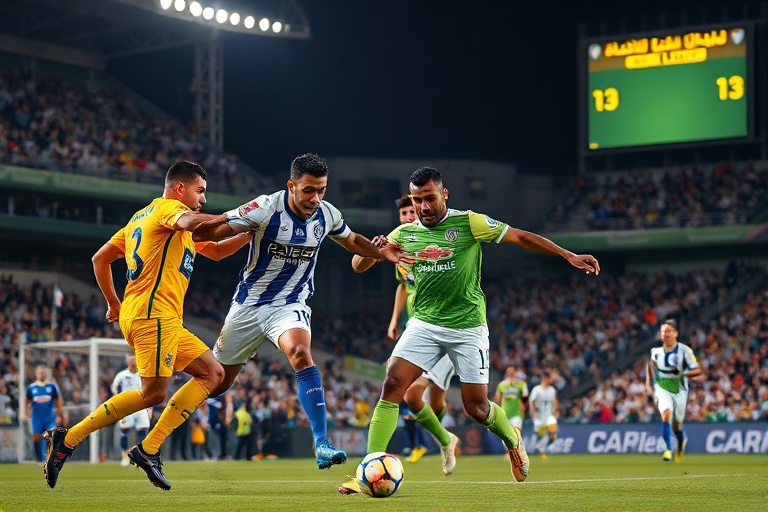
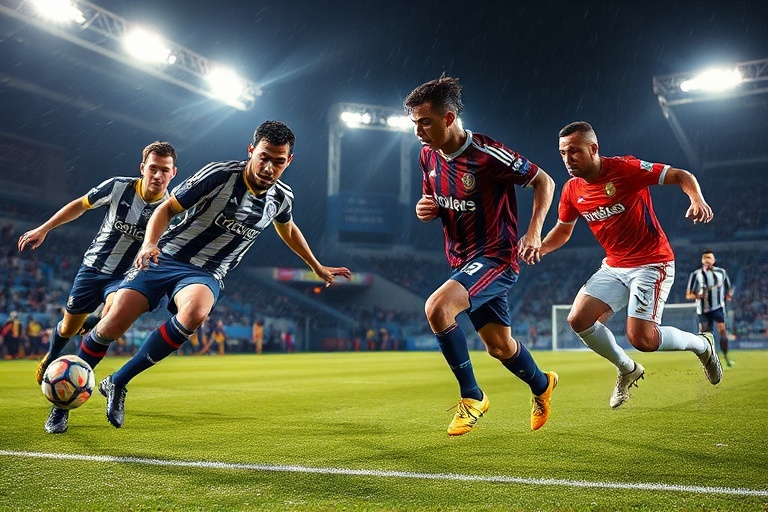
When Atlético Paranaense and Flamengo step onto the pitch, they don’t just play a match—they stage a collision of philosophies, histories, and ambitions. The former, known for its youth development and attacking flair, faces off against the latter, a club that blends tradition with relentless pursuit of titles. This fixture isn’t just about three points; it’s a showcase of how football evolves across continents while retaining its soul.
Atlético Paranaense, or Athletico-PR as it’s often branded, hails from Curitiba, Brazil’s eighth-largest city. Founded in 1924, the club has carved a niche for itself as a breeding ground for talent, with a reputation for nurturing players who later shine on Europe’s biggest stages. Flamengo, meanwhile, is a global giant. Based in Rio de Janeiro, the club’s Maracanã stadium is synonymous with Brazilian football’s raw intensity and Flamengo’s storied legacy, which includes Libertadores titles and FIFA Club World Cup glory.
The Tactical Battle: Pragmatism vs. Flair
Atlético-PR’s approach under head coach Eduardo Barroca has often been described as “vertical football”—high pressing, quick transitions, and an emphasis on wing play. Their 4-2-3-1 formation prioritizes width, with full-backs pushing high to stretch play. This system demands stamina and tactical discipline, qualities that have seen them compete consistently in Brazil’s top flight, Série A.
Flamengo, under coach Tite, has adopted a more possession-oriented style. Their 4-3-3 formation revolves around controlling the tempo, with midfielders like Everton Ribeiro and Giorgian de Arrascaeta dictating play. The team’s ability to switch between short, intricate passing and sudden bursts of speed makes them unpredictable. This tactical contrast creates a fascinating dynamic when the two sides meet.
Historically, Flamengo has held the upper hand in this rivalry. Since 2010, they’ve won 11 of the last 15 encounters, often dominating possession and creating high-quality chances. However, Atlético-PR has had moments of brilliance, particularly in domestic cup competitions where they’ve upset Flamengo with counter-attacking football.
A Global Stage for Brazilian Talent
Matches like Atlético-PR vs. Flamengo aren’t just watched by Brazilian fans—they attract global audiences. Flamengo’s international appeal is undeniable, with supporters spanning continents, from Tokyo to Toronto. The club’s recent success in the Copa Libertadores has only amplified this reach, turning fixtures into global spectacles.
Atlético-PR, while less globally recognized, plays a crucial role in Brazil’s football ecosystem. The club’s youth academy, the renowned Academia de Futebol, has produced talents like Paulo Dybala and David Carmo. These players often return to Brazil after stints in Europe, bringing back technical refinements that elevate the league’s standard. Their clashes with Flamengo serve as a reminder of football’s grassroots origins, where raw talent meets polished execution.
For European clubs scouting South American prospects, these matches are goldmines. Scouts analyze everything from pressing triggers to positional discipline, looking for the next Neymar or Vinícius Júnior. The global perspective on this rivalry highlights how football’s center of gravity is shifting—no longer confined to Europe, but spread across continents where passion and potential collide.
Cultural Significance: More Than Just a Game
Football in Brazil is deeply intertwined with culture, identity, and social change. Flamengo, with its massive fanbase known as the Nação Rubro-Negra (Red-Black Nation), represents Rio de Janeiro’s vibrant, diverse spirit. The club’s history is a tapestry of triumphs and tragedies, from Pelé’s early career to the Maracanã tragedy in the 1950 World Cup. These narratives give Flamengo matches a weight that transcends sport.
Atlético-PR, though based in a city often overshadowed by Rio and São Paulo, has its own cultural footprint. Curitiba is known for its innovation and European influences, a city where football is played with a mix of passion and pragmatism. The club’s nickname, Furacão (Hurricane), reflects its high-energy style and resilience. When Atlético-PR faces Flamengo, it’s not just a regional derby—it’s a clash of cultural identities.
Beyond the pitch, these matches influence Brazilian society. Flamengo’s global fanbase has turned the club into a cultural ambassador, with players like Gabriel Barbosa (Gabigol) becoming household names. Atlético-PR, meanwhile, embodies the underdog spirit, proving that success isn’t reserved for the traditional powerhouses. Their rivalry encapsulates Brazil’s footballing paradox: a country of immense talent and limited resources, where every match is a statement.
Key Moments in the Rivalry
The history between Atlético-PR and Flamengo is dotted with memorable moments that define their rivalry:
- 2019 Copa Libertadores: Flamengo’s 3-0 aggregate win in the Round of 16 showcased their dominance, with Gabigol scoring twice. The tie was a masterclass in possession football.
- 2020 Brasileirão: Atlético-PR stunned Flamengo 3-2 in a chaotic match that saw three red cards and a late winner. The victory was a testament to their counter-attacking prowess.
- 2021 Copa do Brasil: Another dramatic encounter, this time ending 2-1 in Flamengo’s favor. The match was marred by controversy after a Flamengo player was accused of simulation.
- 2023 Brasileirão: A 1-1 draw highlighted Atlético-PR’s defensive resilience, with Flamengo unable to break them down despite dominating possession.
These moments underscore the rivalry’s unpredictability. While Flamengo often controls the game statistically, Atlético-PR’s resilience ensures that no fixture is ever a foregone conclusion.
The Future of the Rivalry
As football continues to evolve, so too will this rivalry. Atlético-PR’s focus on youth development and Flamengo’s global expansion are reshaping the landscape of South American football. The introduction of new formats like the Copa CONMEBOL Libertadores will only intensify the stakes, as clubs like these compete for continental glory.
For fans, the Atlético-PR vs. Flamengo fixture remains a celebration of football in its purest form. It’s a reminder that, beyond the tactics and trophies, the game is about passion, culture, and the unyielding pursuit of greatness. Whether you’re a scout, a casual fan, or a die-hard supporter, these matches offer something rare: a glimpse into the heart of Brazilian football.
As the two clubs prepare for their next encounter, one thing is certain—their rivalry will continue to captivate audiences worldwide, proving that football’s most compelling stories are often written in the most unexpected places.