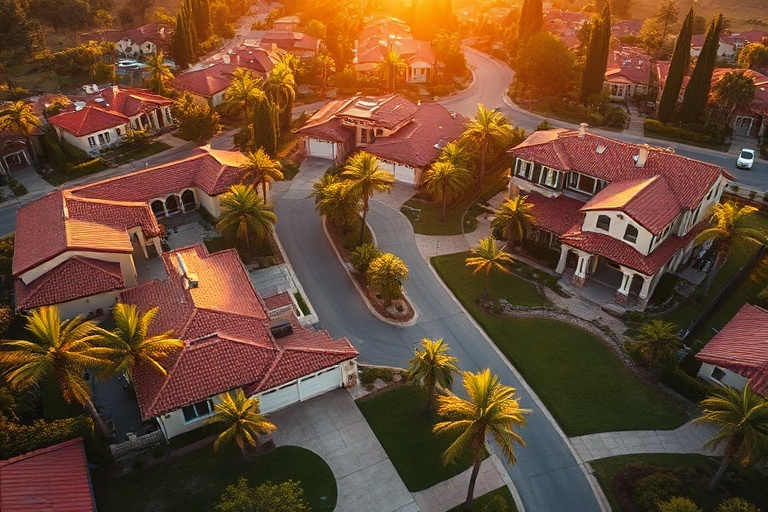
Brentwood: How LA’s Exclusive Enclave is Adapting to Change
Nestled between the Pacific Palisades and Bel Air, Brentwood has long been synonymous with affluence, discretion, and a particular brand of Los Angeles living. Its reputation as a haven for celebrities and business elites is well-documented, but the neighborhood’s identity extends far beyond its association with wealth. Brentwood is a microcosm of broader trends in urban development, lifestyle evolution, and the shifting priorities of high-net-worth individuals in Southern California.
The area’s history is rooted in its natural beauty and strategic location. Originally part of the Rancho San Vicente y Santa Monica, Brentwood was subdivided in the late 19th century and quickly became a retreat for those seeking respite from the bustle of downtown Los Angeles. By the mid-20th century, it had cemented its status as an exclusive enclave, a reputation that has only intensified in recent decades. Today, Brentwood’s appeal is multifaceted, blending old-world charm with modern sophistication.
The Economic Engine of Brentwood
Brentwood’s economy is driven by a mix of high-end retail, hospitality, and professional services. The two-mile stretch of San Vicente Boulevard, often referred to as the “Golden Mile,” is a retail powerhouse, home to flagship stores for brands like Hermès, Saint Laurent, and Rolex. This commercial corridor is not just a shopping destination; it’s a statement of exclusivity, catering to a clientele that expects nothing less than the finest.
Beyond retail, Brentwood’s economy is bolstered by its proximity to major employment hubs. The neighborhood is a short drive from Silicon Beach in Playa Vista, the entertainment industry in Culver City, and the financial district in downtown Los Angeles. This accessibility makes Brentwood an ideal location for executives, entrepreneurs, and creatives who value both privacy and convenience.
However, the neighborhood’s economic landscape is not without challenges. Rising property values and the cost of living have put pressure on small businesses, forcing some long-standing establishments to close. The tension between preserving Brentwood’s exclusivity and fostering a vibrant, inclusive community is a delicate balance that local stakeholders continue to navigate.
Key Economic Drivers in Brentwood
- Luxury Retail: The Golden Mile on San Vicente Boulevard is a magnet for high-end brands and affluent shoppers.
- Hospitality: Upscale hotels and restaurants cater to both residents and visitors, contributing significantly to the local economy.
- Proximity to Employment Hubs: Easy access to tech, entertainment, and financial sectors makes Brentwood a prime location for professionals.
- Real Estate Market: High property values and demand for luxury homes drive economic activity but also pose challenges for affordability.
Lifestyle and Culture: Beyond the Stereotypes
Brentwood’s cultural identity is often overshadowed by its association with wealth, but the neighborhood offers a rich tapestry of experiences that appeal to a diverse range of residents and visitors. The Brentwood Country Mart, a historic shopping center, exemplifies this blend of old and new. Once a working farm, it has evolved into a curated space featuring artisanal food vendors, boutique shops, and cultural events. It’s a place where locals gather to enjoy gourmet coffee, organic produce, and live music, defying the stereotype of Brentwood as an insular enclave.
Education is another pillar of Brentwood’s cultural landscape. The neighborhood is home to some of Los Angeles’ most prestigious private schools, including Brentwood School and the Westland School. These institutions attract families who prioritize academic excellence and are willing to invest in their children’s education. The presence of these schools has a ripple effect on the community, fostering a culture of intellectual curiosity and ambition.
Yet, Brentwood’s cultural scene is not without its critics. Some argue that the neighborhood’s emphasis on exclusivity can create a sense of detachment from the broader social and political issues facing Los Angeles. Others point to the lack of affordable housing and the homogenization of the community as symptoms of a larger problem facing urban areas across the country.
The Future of Brentwood: Challenges and Opportunities
As Brentwood looks to the future, it faces a series of challenges that will shape its identity for decades to come. One of the most pressing is the issue of affordability. The soaring cost of housing has pushed out long-time residents and made it difficult for younger generations to put down roots in the neighborhood. This demographic shift threatens to erode the sense of community that has defined Brentwood for generations.
At the same time, Brentwood is at the forefront of conversations about sustainability and urban planning. The Brentwood Greenway, a proposed linear park, aims to create a green corridor that connects residents to nature while promoting walkability and reducing car dependency. Such initiatives reflect a growing awareness of the need to balance development with environmental stewardship.
Another opportunity lies in Brentwood’s potential to foster greater inclusivity. While the neighborhood’s exclusivity is part of its allure, there is a growing recognition that diversity and economic vitality are closely linked. Initiatives to support local businesses, affordable housing projects, and community engagement programs could help Brentwood evolve into a more dynamic and inclusive place.
Brentwood’s Path Forward: Three Key Considerations
- Affordability: Addressing the housing crisis will be critical to maintaining Brentwood’s social fabric and ensuring it remains a viable community for future generations.
- Sustainability: Investing in green infrastructure and promoting sustainable practices will help Brentwood reduce its environmental footprint and set an example for other neighborhoods.
- Inclusivity: Embracing diversity and fostering a sense of community that extends beyond wealth and privilege could enrich Brentwood’s cultural landscape.
Conclusion: A Neighborhood in Transition
Brentwood is a neighborhood in transition, caught between its storied past and the demands of a rapidly changing world. Its economic strength, cultural richness, and strategic location make it a unique and desirable place to live, but these very qualities also present challenges that cannot be ignored. As Brentwood evolves, the decisions made by developers, policymakers, and residents will determine whether it remains a bastion of exclusivity or transforms into a model of inclusive urban living.
One thing is certain: Brentwood’s story is far from over. The neighborhood’s ability to adapt and innovate will shape its legacy for generations to come. For those who call Brentwood home, the future holds both promise and uncertainty, but the neighborhood’s enduring appeal suggests that it will continue to captivate and inspire.
For more insights into Los Angeles’ evolving neighborhoods, explore our Travel and Culture sections on Dave’s Locker.