Chelsea Flower Show: Where Tradition Meets Horticultural Innovation
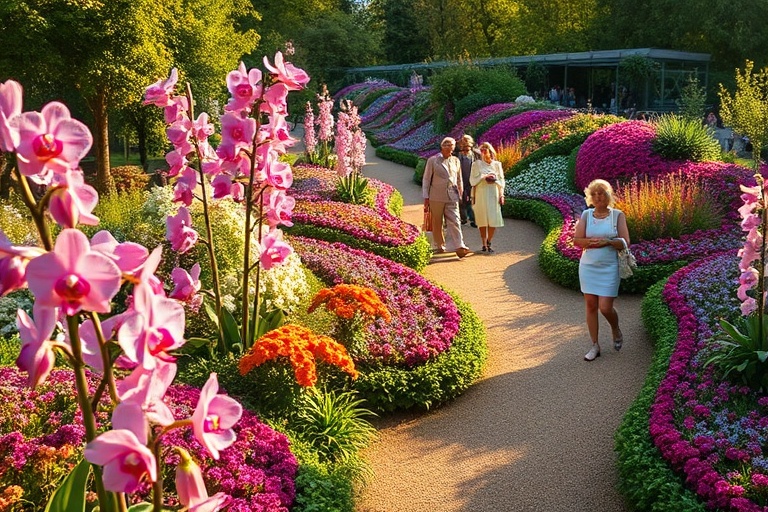
The Royal Horticultural Society’s Chelsea Flower Show has long stood as the pinnacle of garden design and horticultural innovation. Held annually on the grounds of the Royal Hospital Chelsea in London, this prestigious event transforms 11 acres of manicured lawns into a vibrant showcase of floral artistry, cutting-edge landscaping, and sustainable practices. More than just a display of blooms, the show serves as a cultural touchstone where tradition meets modernity, attracting over 160,000 visitors and industry professionals from around the world.
This year’s iteration continued that legacy, blending classic British gardening with bold, experimental designs that pushed the boundaries of what a garden can be. From show gardens that tell stories of resilience to small urban gardens addressing climate challenges, Chelsea remains a vital platform for both inspiration and education.
The Evolution of Chelsea: From Roots to Renowned
The Chelsea Flower Show traces its origins to 1862, when the Royal Horticultural Society first organized a modest floral fete. Over the decades, it grew in scale and prestige, moving to its current location in 1913. After a brief hiatus during the World Wars, the show resumed in 1947 and has since become an annual institution, synonymous with springtime in London.
What began as a gathering for amateur gardeners has evolved into a global event where landscape architects, botanists, and artists collaborate to create immersive experiences. The introduction of the Great Pavilion in 2000 marked a turning point, consolidating the show’s indoor displays and allowing year-round cultivation of rare and exotic plants.
Today, Chelsea is as much about technology as it is about tradition. Digital design tools, hydroponic systems, and AI-driven planting schemes now share the spotlight with handcrafted topiary and heritage roses. This fusion reflects a broader shift in horticulture, where innovation and sustainability are no longer optional but essential.
Design Highlights: Gardens That Tell Stories
Among the most anticipated elements of the show are the large show gardens, often commissioned by leading designers and sponsored by luxury brands. These installations are not merely decorative; they are narrative-driven spaces that address pressing themes such as biodiversity loss, mental health, and urban isolation.
Take, for example, this year’s “Resilience Garden,” designed by Sarah Price. Inspired by post-industrial landscapes, it featured reclaimed materials, drought-resistant planting schemes, and a striking water feature that symbolized renewal. The garden won a Gold Medal and was praised for its thoughtful integration of ecological principles with aesthetic appeal.
Another standout was “The Sanctuary,” a collaboration between designer Tom Dixon and the mental health charity Mind. This tranquil space incorporated sensory plants, textured surfaces, and quiet seating areas to promote mindfulness and well-being. Its inclusion underscored Chelsea’s growing recognition of gardens as therapeutic environments.
Beyond the show gardens, the Artisan Gardens category continues to gain traction. These smaller, often handcrafted spaces celebrate artisanal skill, from handmade mosaics to bespoke furniture. One particularly memorable entry this year was “The Lost Words Garden,” which wove poetry and illustration into a living tribute to nature vocabulary.
Sustainability at the Forefront: A Greener Future for Gardening
Sustainability has become a cornerstone of Chelsea’s ethos. In response to climate concerns, the show has implemented several eco-friendly initiatives, including a ban on single-use plastics and a requirement for all gardens to demonstrate sustainable sourcing and water management.
One garden that embodied this commitment was “The Carbon Capture Garden,” designed by landscape architect Joe Perkins. It featured carbon-absorbing plants, mycorrhizal fungi to enhance soil health, and a living roof that reduced heat absorption. Such designs are not just theoretical; they offer practical solutions for home gardeners looking to reduce their environmental footprint.
The Great Pavilion also showcased innovations in peat-free growing media and vertical farming. Exhibitors displayed peat alternatives made from coconut coir, wood fiber, and even recycled paper, all of which reduce the carbon emissions associated with traditional peat extraction. These developments are particularly significant given the UK’s goal to phase out peat-based composts by 2024.
Moreover, the show’s emphasis on native planting resonates with the growing public interest in rewilding and biodiversity. Gardens like “The Wildflower Meadow,” which recreated a native British meadow ecosystem, highlighted the importance of local flora in supporting pollinators and other wildlife.
Beyond the Blooms: Community, Education, and Industry Impact
Chelsea is more than a spectacle; it’s an educational platform. The show’s Discovery Zone introduces young visitors to gardening through interactive exhibits, from seed-sowing workshops to bug-hotel building. These activities aim to cultivate the next generation of horticulturists and environmental stewards.
The event also serves as a vital networking hub for professionals. Trade visitors flock to Chelsea to discover new plant varieties, innovative materials, and emerging design trends. This year, a dedicated “Future of Horticulture” seminar series featured talks on vertical farming, regenerative agriculture, and the role of gardens in climate adaptation.
For garden enthusiasts looking to bring Chelsea home, the show offers practical takeaways. Exhibitors in the floral marquee displayed everything from disease-resistant roses to compact fruit trees suitable for small gardens. Meanwhile, the Floral Arrangement workshops provided hands-on lessons in seasonal design, proving that Chelsea’s influence extends far beyond the showgrounds.
If you’re inspired to explore more about garden design or sustainable living, check out Dave’s Locker’s gardening section, where you’ll find expert guides, product reviews, and tips for transforming any space into a green retreat. For those interested in the intersection of art and nature, our culture category offers deeper insights into how gardens shape our cultural landscape.
The Lasting Legacy of Chelsea Flower Show
As the curtains close on another Chelsea Flower Show, its impact lingers—not just in the medals awarded or the trends set, but in the conversations it sparks about the role of gardens in our lives. In an era marked by environmental uncertainty, the show offers a reminder of nature’s power to inspire, heal, and unite.
From the meticulously pruned topiary to the wild, untamed corners of rewilding gardens, Chelsea celebrates the full spectrum of horticultural expression. It acknowledges the past while boldly facing the future, proving that gardens are more than spaces of beauty—they are laboratories of innovation, resilience, and hope.
For those who attended, the memories of scent, color, and craftsmanship will linger long after the final petals fall. And for those who couldn’t be there, the show’s digital archives, live streams, and educational resources ensure that its influence continues to bloom year-round.