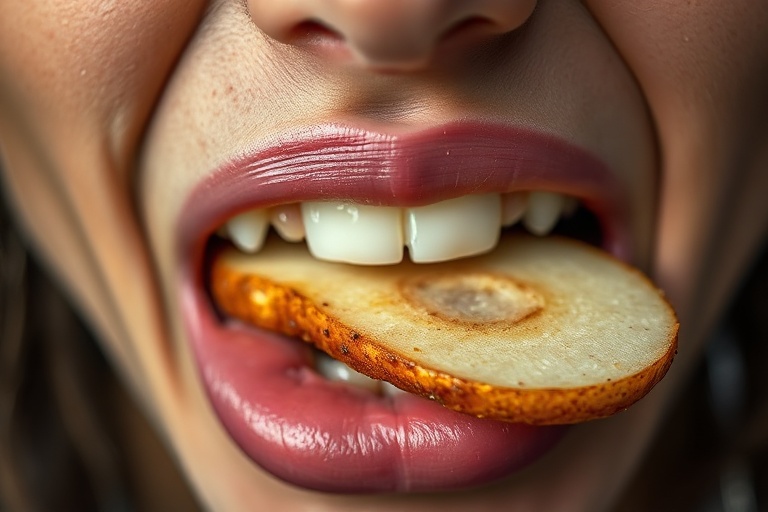
Chewing is one of those mundane acts we perform hundreds—if not thousands—of times each week without much thought. Yet this simple mechanical process reveals surprising complexity when examined closely. From the crunch of autumn leaves underfoot to the rhythmic motion of a jaw at work, chewing is both a biological necessity and a cultural artifact. It bridges nutrition and neurology, tradition and technology.
Consider how often chewing appears in daily life beyond mere sustenance. It’s embedded in rituals, language, and even emotional expression. A nervous tap of the teeth, the satisfied sigh after a hearty meal, or the communal silence of a group all chewing in unison during a long meeting—these moments show chewing as a silent participant in human behavior.
The Biology of Biting: More Than Just Breaking Down Food
At its core, chewing is the first step in digestion, a mechanical prelude to chemical breakdown. Saliva, released during mastication, contains enzymes like amylase that begin breaking down carbohydrates before food even reaches the stomach. This process isn’t just about efficiency—it’s protective. Proper chewing reduces the risk of choking, eases digestion, and enhances nutrient absorption.
But the body’s response to chewing goes deeper. Research from the Health section shows that chewing stimulates the vagus nerve, which in turn slows heart rate and promotes relaxation. This may explain why slow, mindful eating is linked to lower stress levels. Conversely, rapid, inattentive chewing—common in fast-food culture—can contribute to digestive discomfort and overeating.
Dental health also hinges on chewing. The act strengthens jaw muscles and promotes saliva flow, which neutralizes acids and prevents cavities. However, excessive force or improper alignment can lead to wear, pain, or even temporomandibular joint (TMJ) disorders. Modern orthodontics and chewing aids like gum (sugar-free, of course) have become tools to manage these risks.
Chewing Through the Ages: Ritual, Taboo, and Tradition
Chewing isn’t just a biological act—it’s a cultural one. Across civilizations, the way people chew reflects values, status, and identity. In ancient Rome, for example, the elite used toothpicks made of silver or bronze to clean their teeth after meals, signaling both hygiene and social standing. Meanwhile, in many Indigenous cultures, communal chewing—such as the sharing of betel nut or coca leaves—serves as a ritual of hospitality and connection.
Food taboos often revolve around chewing. In some traditions, loud chewing is considered rude; in others, it’s a sign of enjoyment. In Japan, slurping noodles is acceptable, even encouraged, while in the West, it may draw stares. These norms shape not only individual behavior but also social harmony. A shared understanding of chewing etiquette can define group identity—think of the hushed reverence in a temple or the boisterous chewing contests at county fairs.
Chewing has also been weaponized in art and protest. Performance artists have used exaggerated mastication to critique consumerism. In 1960s happenings, artists like Alison Knowles staged “Make a Salad” events where attendees chewed lettuce in unison, transforming a basic act into a commentary on mass production and sensory experience.
A Timeline of Chewing: How It Shaped Human Evolution
Anthropologists point to chewing as a key driver of human evolution. The shift from raw to cooked food, which began around 1.5 million years ago, reduced the need for powerful jaws and large teeth. This allowed early humans to develop smaller faces and more dexterous hands—freeing up space in the skull for larger brains.
Tooth wear patterns in fossil records tell a story. Neanderthals, for instance, had heavily worn molars, suggesting they used their teeth as tools—perhaps to grip hides or process fibrous plants. In contrast, modern humans exhibit less wear, thanks to softer diets and better dental care.
- Prehistoric Era: Chewing tough, raw foods shaped jaw structure and tooth alignment.
- Neolithic Revolution: Cooking softened food, reducing chewing effort and altering facial anatomy.
- Industrial Age: Processed foods minimized the need for vigorous chewing—leading to modern dental issues like malocclusion.
- Digital Age: “Gum chewing” becomes a stress-relief habit, with markets flooded with flavored, functional chewing gums.
Chewing in the Modern World: Stress, Tech, and Toothbrushes
Today, chewing occupies a paradoxical space. On one hand, it’s an act of rebellion against fast-paced living—mindful chewing is a form of self-care. On the other, it’s being outsourced. Meal-replacement shakes, protein bars, and soft foods dominate convenience culture. The average American chews each bite an average of 15–20 times before swallowing, down from 30–40 times in the early 20th century.
This decline in thorough chewing has health implications. Studies show that slower eating leads to reduced calorie intake and improved satiety—key factors in weight management. Yet, in a world dominated by screens, many people eat while distracted, barely registering the act of chewing at all.
Technology is both helping and hindering. Smart chewing gums embedded with sensors can now track jaw movements and detect early signs of bruxism (teeth grinding). Apps guide users through mindful eating exercises, encouraging them to chew each bite 20–30 times. Yet, the rise of edible films, dissolvable powders, and lab-grown meat may eventually render traditional chewing obsolete.
Even in entertainment, chewing has found new forms. ASMR videos featuring crunching, slurping, and chewing sounds attract millions of viewers seeking sensory relaxation. These videos tap into a primal response—our brains associate rhythmic sounds with safety and nourishment.
The Future of Chewing: Will We Still Bite?
As food technology advances, the role of chewing may evolve dramatically. Cultured meat, 3D-printed food, and soft robotics could one day deliver nutrients without requiring a single bite. Yet, this raises questions about human identity. Is chewing just a mechanical function—or part of what makes us human?
Perhaps the answer lies in balance. While innovation offers convenience, there’s value in preserving the ritual of chewing. It connects us to our ancestors, to our bodies, and to each other. A shared meal, a moment of pause, the sound of a fork on a plate—these are not trivial. They are threads in the fabric of culture.
So next time you chew, consider it more than a reflex. It’s a legacy. It’s a practice. It’s the quiet engine of both biology and belonging.