Chorley: Discover History, Nature and Culture in Lancashire
Nestled in the heart of Lancashire, Chorley is a town that often flies under the radar despite its rich history and cultural significance. With a population of around 35,000, it offers a blend of industrial heritage, natural beauty, and community spirit that makes it a fascinating place to explore. Unlike larger cities, Chorley retains a sense of authenticity, where local traditions and modern developments coexist harmoniously.
The town’s roots stretch back to medieval times, but its transformation during the Industrial Revolution cemented its place in Britain’s industrial narrative. Today, Chorley is more than just a former mill town; it’s a vibrant community with a growing reputation for its independent businesses, green spaces, and cultural events. Whether you’re a history buff, a nature lover, or someone looking for a quiet retreat, Chorley has something to offer.
The Industrial Heritage of Chorley
Chorley’s industrial past is deeply intertwined with the textile industry, particularly cotton weaving. In the 19th century, the town became a hub for textile production, thanks to its strategic location near the Leeds and Liverpool Canal, which facilitated the transport of raw materials and finished goods. The Chorley Canal, completed in 1822, played a crucial role in this economic boom, connecting the town to major industrial centers like Manchester and Liverpool.
One of the most iconic remnants of this era is the Chorley Mill, a former cotton mill that now stands as a testament to the town’s industrial legacy. Though no longer operational, the mill’s red-brick structure serves as a reminder of Chorley’s once-thriving textile trade. The building has been repurposed in recent years, housing offices and creative spaces that contribute to the town’s evolving economy.
The decline of the textile industry in the 20th century posed significant challenges for Chorley. However, the town adapted by diversifying its economic base. Today, Chorley is home to a mix of manufacturing, engineering, and service industries. Companies like the aerospace manufacturer BAE Systems have established a strong presence in the area, providing employment opportunities and driving innovation.
Key Landmarks from Chorley’s Industrial Past
- Chorley Mill – A historic cotton mill now repurposed for modern use.
- Chorley Canal – A vital transport route during the Industrial Revolution.
- Astley Hall – A 16th-century manor house that reflects the town’s earlier agricultural wealth.
- Duxbury Park – Once part of a larger estate, now a public park with remnants of industrial history.
Natural Beauty and Outdoor Spaces
Beyond its industrial roots, Chorley is surrounded by stunning natural landscapes that offer a welcome escape from urban life. The Rivington Pike, a prominent hill on the edge of the West Pennine Moors, is one of the town’s most beloved landmarks. Standing at 456 meters, it provides panoramic views of Lancashire and beyond. The hike to the summit is a rite of passage for locals, who often gather there for sunrise or sunset.
The area is also home to the Anglezarke Reservoirs, a series of picturesque bodies of water surrounded by rolling hills and woodlands. These reservoirs were constructed in the 19th century to supply water to nearby towns and cities, but today they serve as a haven for walkers, cyclists, and wildlife enthusiasts. The Anglezarke Moors, in particular, are a designated Site of Special Scientific Interest (SSSI), home to rare flora and fauna.
For those who prefer a more leisurely stroll, Healey Dell offers a serene woodland walk along the River Douglas. This wooded valley is a designated Local Nature Reserve and is known for its diverse birdlife, including kingfishers and woodpeckers. The area also features a series of waterfalls, adding to its scenic appeal.
Top Outdoor Destinations Near Chorley
- Rivington Pike – A challenging hike with rewarding views.
- Anglezarke Reservoirs – Ideal for cycling, walking, and picnics.
- Healey Dell – A peaceful woodland walk with waterfalls.
- Chorley’s Memorial Park – A well-maintained green space in the town center.
Culture and Community in Chorley
Chorley’s cultural scene is a vibrant mix of traditional and contemporary influences. The town has a strong musical heritage, with local bands and artists gaining recognition in recent years. The Chorley Music Festival, held annually, showcases a diverse range of talent, from classical ensembles to indie bands. The festival has become a highlight of the town’s cultural calendar, drawing visitors from across Lancashire.
Literary enthusiasts will appreciate Chorley’s connection to the famous poet Edmund Spenser, who is believed to have been born in the town in the 16th century. While his exact birthplace remains a subject of debate, Chorley’s heritage trail includes references to his life and work. The town also has a thriving library system, with the Chorley Central Library serving as a hub for literary events, workshops, and community activities.
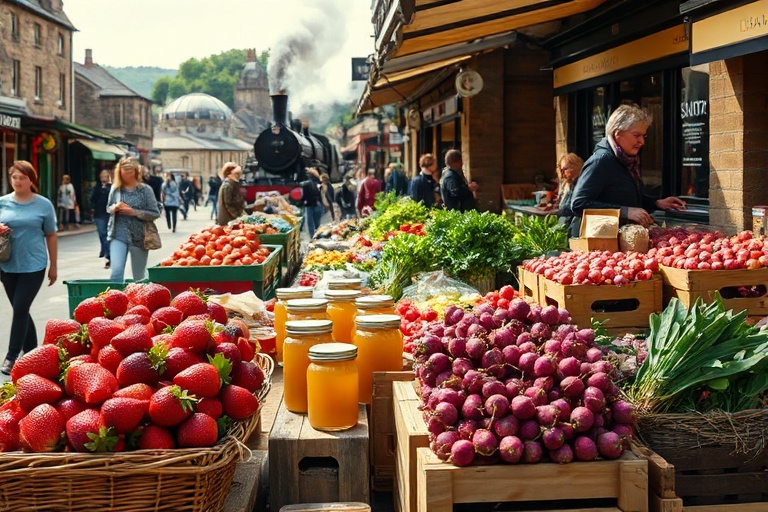
Food and drink play a significant role in Chorley’s community life. The town is home to a growing number of independent cafes, pubs, and restaurants that celebrate local produce. The Chorley Market, held twice a week, is a must-visit for fresh produce, artisanal goods, and street food. From traditional Lancashire hotpot to modern fusion cuisine, the town’s culinary scene reflects its diverse cultural influences.
Notable Cultural Attractions in Chorley
- Chorley Music Festival – A celebration of local and regional talent.
- Chorley Central Library – A center for literary and educational events.
- Chorley Market – A bustling hub for fresh produce and local goods.
- The Old House at Home – A historic pub with live music and traditional ales.
The Future of Chorley: Challenges and Opportunities
Like many towns in the North West, Chorley faces its share of challenges, particularly in terms of economic regeneration and infrastructure. The closure of several high-street retailers in recent years has highlighted the need for revitalization efforts. However, the town has shown resilience, with local authorities and community groups working together to attract investment and support small businesses.
One promising development is the Chorley Enterprise Hub, a business incubator designed to support startups and entrepreneurs. The hub provides mentorship, networking opportunities, and access to funding, helping to foster innovation in the town. Additionally, Chorley’s proximity to major cities like Manchester and Preston positions it well for future growth, particularly in sectors like advanced manufacturing and digital technology.
Sustainability is also a growing focus in Chorley. Initiatives like the Chorley Climate Action Plan aim to reduce the town’s carbon footprint through renewable energy projects, tree-planting campaigns, and waste reduction programs. These efforts reflect a broader shift toward environmental responsibility, ensuring that Chorley remains a livable and sustainable community for future generations.
Chorley’s Path Forward
- Economic Regeneration – Supporting small businesses and attracting investment.
- Infrastructure Improvements – Enhancing transport links and public spaces.
- Sustainability Initiatives – Reducing carbon emissions and promoting green living.
- Cultural Development – Expanding arts and music programs to engage the community.
Conclusion: Why Chorley Deserves Your Attention
Chorley may not be the first place that comes to mind when thinking of Lancashire’s highlights, but its blend of history, nature, and community spirit makes it a town worth exploring. From its industrial past to its thriving cultural scene, Chorley offers a unique perspective on Northern England’s evolution. Whether you’re hiking up Rivington Pike, browsing the stalls at Chorley Market, or simply enjoying a pint in a historic pub, the town’s charm lies in its authenticity and warmth.
As Chorley continues to evolve, it faces the same challenges as many post-industrial towns—balancing growth with preservation, innovation with tradition. Yet, the resilience and creativity of its residents suggest a bright future. For those willing to look beyond the headlines, Chorley is a place that rewards curiosity and invites deeper connection.
So the next time you’re planning a trip to Lancashire, consider stopping by Chorley. You might just discover a hidden gem that leaves a lasting impression.