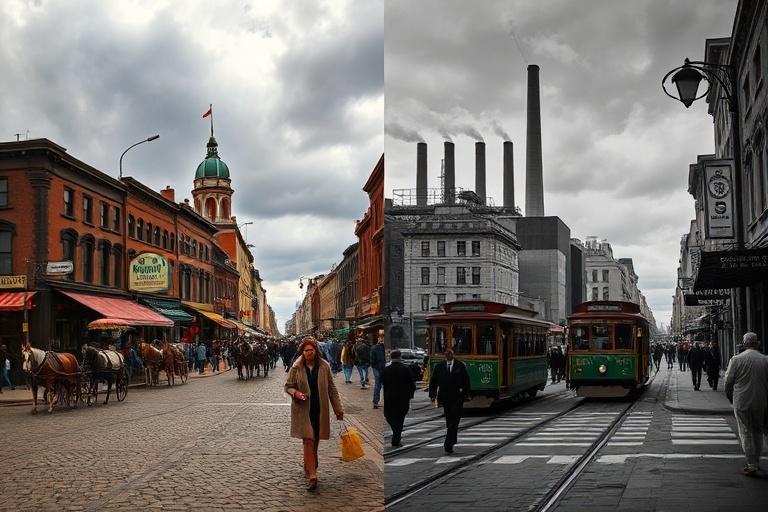
Columbus and Philadelphia: A Tale of Two Cities
Columbus, Ohio and Philadelphia, Pennsylvania stand as two of America’s most dynamic mid-sized cities. Each offers a distinct blend of history, culture, and economic opportunity, but they cater to different lifestyles and priorities. While Columbus often flies under the radar compared to coastal giants, Philadelphia boasts a historic footprint that shapes its identity. Understanding what sets these cities apart can help residents, newcomers, and investors make informed decisions about where to live, work, or invest.
The Economic Engine: Growth and Opportunity
Columbus has quietly built a reputation as a business-friendly powerhouse. Home to Fortune 1000 giants like Nationwide Insurance and American Electric Power, the city’s economy thrives on stability and diversification. Its unemployment rate has consistently hovered below the national average, supported by a strong logistics and manufacturing sector. The city’s investment in research—particularly at Ohio State University—has spurred innovation in biotech and clean energy, attracting venture capital and startups.
Philadelphia, by contrast, carries the weight of its historic role as the birthplace of American democracy. The city’s economy revolves around healthcare, education, and finance, anchored by institutions like Jefferson Health and the University of Pennsylvania. While its job market is robust, Philadelphia faces challenges with higher unemployment rates and a slower pace of business formation compared to Columbus. However, its proximity to New York and Washington, D.C., gives it strategic access to East Coast markets and federal funding opportunities.
Both cities share a commitment to economic development, but their approaches reflect their personalities. Columbus leans into scalability and innovation, while Philadelphia leverages its deep-rooted institutions and cultural capital to drive growth.
Culture and Lifestyle: Where Do You Belong?
Philadelphia delivers history on every corner. From Independence Hall to the Rocky steps, the city’s identity is woven into America’s founding narrative. Its arts scene is equally legendary, with the Philadelphia Museum of Art, the Kimmel Center, and a thriving music ecosystem that gave birth to jazz and soul legends like John Coltrane and Teddy Pendergrass. Food is another cornerstone—cheesesteaks, soft pretzels, and water ice are more than meals; they’re cultural rituals.
Columbus, meanwhile, offers a different kind of cultural vibrancy. The Short North Arts District pulses with galleries, boutique shops, and street murals, while the city’s music scene thrives in venues like the Newport Music Hall and Express Live. Columbus also boasts a growing food culture, highlighted by James Beard-nominated chefs and a burgeoning craft beer scene. Yet, it lacks the deep historical resonance that defines Philadelphia’s appeal.
For those who prioritize heritage and urban density, Philadelphia wins. For those seeking a more spread-out, evolving cultural landscape, Columbus may be the better fit. Both cities provide a high quality of life, but their flavors cater to different tastes.
Cost of Living: The Practical Divide
Affordability is where Columbus truly shines. The median home price in Columbus is roughly half that of Philadelphia, and rentals are similarly accessible. Groceries, utilities, and healthcare costs also trend lower, making it easier for young professionals and families to build wealth. The city’s lack of a state income tax further sweetens the deal for residents.
Philadelphia, while more affordable than New York or Boston, comes with higher costs across the board. Property taxes are steep, and the city’s wage tax—at 3.49% for residents—adds a significant burden. However, Philadelphia’s robust public transit system and walkability can offset some expenses by reducing car dependency.
Ultimately, Columbus offers better financial breathing room, while Philadelphia provides a mix of urban convenience and historic charm at a premium.
Broader Implications: What These Cities Tell Us About Urban America
The contrast between Columbus and Philadelphia reflects broader trends in urban America. Columbus represents the rise of the “second-tier city”—a place where economic opportunity and affordability converge to attract talent and investment. Its success story underscores the potential of mid-sized metros to compete with coastal hubs by focusing on innovation and quality of life.
Philadelphia, on the other hand, embodies the challenges and resilience of legacy cities. Its struggles with inequality, underfunded schools, and crime are well-documented, yet its cultural and institutional strengths provide a foundation for renewal. The city’s ability to reinvent itself while preserving its past offers lessons for other historic urban centers.
Both cities highlight the importance of adaptability in an era of rapid change. Columbus shows how forward-thinking policies and infrastructure can drive growth, while Philadelphia demonstrates the power of culture and history to sustain a community. Their stories are not just about geography—they’re about the future of American urbanism.
Key Takeaways: A Quick Comparison
- Economy: Columbus thrives on business diversity and innovation; Philadelphia relies on healthcare, education, and historic institutions.
- Culture: Philadelphia offers deep historical and artistic roots; Columbus provides a vibrant, evolving arts and music scene.
- Affordability: Columbus is significantly more budget-friendly, with lower taxes and housing costs.
- Lifestyle: Philadelphia’s density and walkability contrast with Columbus’s spread-out, car-centric layout.
Which City Is Right for You?
Choosing between Columbus and Philadelphia depends on what you value most. If you prioritize career opportunities, affordability, and a forward-looking community, Columbus may be your ideal home. Its low cost of living and business-friendly environment make it a magnet for young professionals and families looking to stretch their dollars further.
Philadelphia, meanwhile, appeals to those who crave history, culture, and urban energy. Its walkable streets, iconic landmarks, and world-class institutions provide a lifestyle that’s hard to replicate. While the cost of living is higher, the return on investment in terms of quality of life can be substantial.
Both cities have their strengths and weaknesses, but they share a common trait: resilience. Whether through economic ingenuity or cultural preservation, Columbus and Philadelphia prove that America’s mid-sized cities are not just surviving—they’re thriving.
For further reading on urban trends and city comparisons, explore our Trending and Analysis sections on Dave’s Locker.
At the end of the day, the choice between Columbus and Philadelphia isn’t just about geography—it’s about what kind of life you want to build.