Chicago’s Baseball Split: How the Cubs and Sox Define the City’s Dual Identity
The rivalry between the Chicago Cubs and the Chicago White Sox isn’t just about baseball—it’s a reflection of the city’s cultural divide. While both teams call Chicago home, they represent distinct communities, histories, and fanbases that have shaped the city’s identity for over a century.
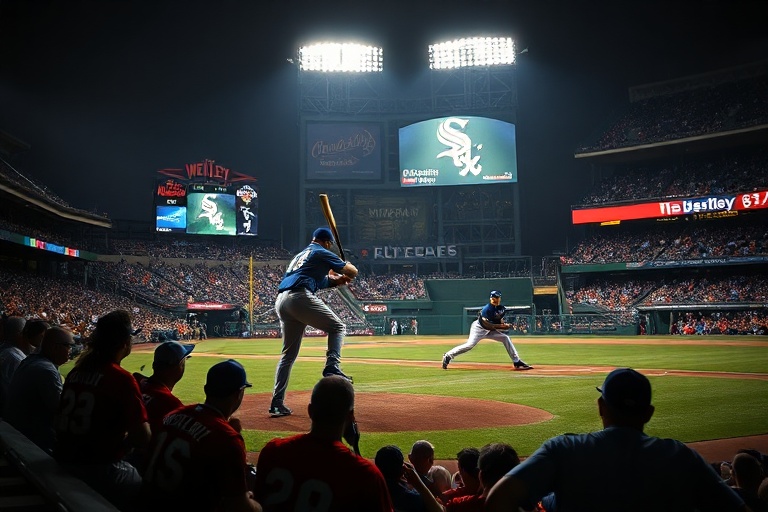
Unlike cross-town rivals in other major cities, the Cubs and Sox play in different leagues, yet their competition transcends mere sports. The Cubs, with their historic Wrigley Field and loyal north-side following, embody tradition and nostalgia. The Sox, meanwhile, have built a reputation as the scrappy underdogs, thriving in the more working-class south side. Together, they create one of baseball’s most unique rivalries, where geography and class intersect on the field.
The Origins of a Unique Rivalry
The split between the two teams dates back to 1901, when the American League formed as a rival league to the established National League. The White Sox were one of the AL’s charter franchises, playing at the South Side’s original Comiskey Park. The Cubs, already entrenched in the NL, remained on the north side at West Side Grounds before moving to Weeghman Park in 1914 (later renamed Wrigley Field).
Initially, the rivalry wasn’t intense—teams from different leagues rarely met outside of spring training. But everything changed in 1906 when the White Sox won the World Series, defeating the Cubs in six games. This was the first and only time two teams from the same city faced off in the Fall Classic. The victory cemented the Sox as legitimate contenders and gave Chicago two World Series titles in the same year, a feat that has never been replicated.
Cultural Divides: North Side Tradition vs. South Side Grit
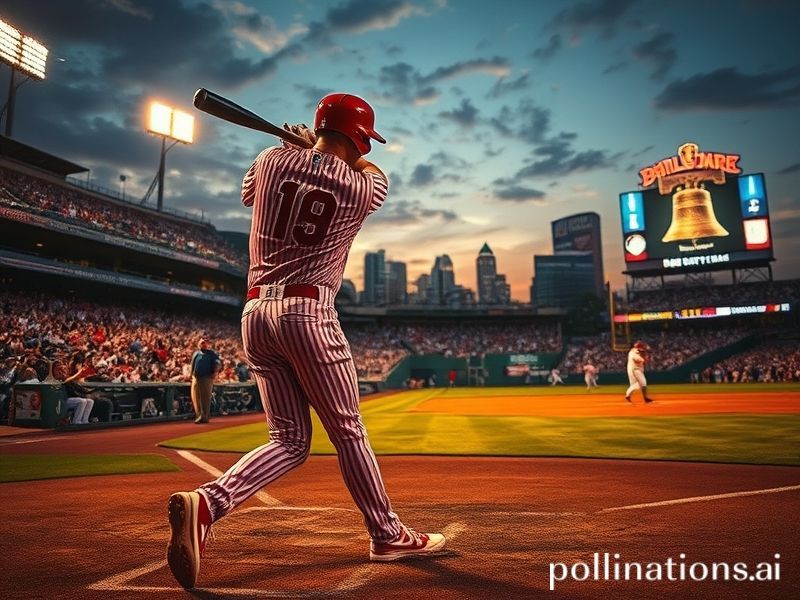
The Cubs and Sox divide isn’t just about baseball—it’s about identity. The north side, home to the Cubs, has long been associated with affluence, old-money neighborhoods, and a certain romanticized version of Chicago’s past. Wrigley Field, with its ivy-covered outfield walls and hand-turned scoreboard, feels like a museum piece, preserving baseball’s golden age.
The south side, where the Sox play at Guaranteed Rate Field, tells a different story. Historically working-class and diverse, the area has embraced the Sox as its team. The franchise has cultivated a reputation for resilience, from the 1919 Black Sox scandal to the 2005 World Series victory, which broke an 88-year championship drought and united a divided city.
This cultural split extends beyond Chicago. The Cubs have long been a global brand, attracting international fans drawn to the team’s storied history. The Sox, while beloved in Chicago, have a more regional following but a fiercely loyal one. The contrast is evident in merchandise sales, fan demographics, and even the teams’ approaches to the game—Cubs fans often celebrate tradition, while Sox fans embrace a more modern, no-frills mentality.
Moments That Defined the Rivalry
The Cubs and Sox have met sporadically over the years, but their occasional interleague matchups always carry extra weight. Some of the most memorable moments include:
- 2008: Kerry Wood’s Masterpiece – In a rare interleague game, Cubs ace Kerry Wood struck out 12 Sox batters in seven innings, leading the Cubs to a 7-2 victory. The win was a statement in a year when both teams contended for the playoffs.
- 2017: The Jake Arrieta Showdown – Arrieta, a former Cub, returned to Chicago in a White Sox uniform. Though the Sox ultimately won, the game was a reminder of how interleague play can turn former teammates into rivals.
- 2021: Dylan Cease vs. the Cubs’ Youth Movement – In a high-scoring game, Sox pitcher Dylan Cease dominated the Cubs’ lineup, showcasing the generational talent emerging on the south side.
These matchups, while not as frequent as those in other rivalries, carry a unique intensity. For players, it’s a chance to prove themselves against former teammates or familiar opponents. For fans, it’s an opportunity to reaffirm their allegiance—whether to the north side’s charm or the south side’s grit.
Beyond Baseball: How the Rivalry Reflects Chicago’s Soul
The Cubs and Sox rivalry is a microcosm of Chicago itself—a city of contrasts, where tradition and progress coexist. The Cubs represent the city’s enduring love for its past, while the Sox embody its resilience and adaptability. This duality is reflected in Chicago’s music, art, and food scenes, where old-school institutions stand alongside innovative newcomers.
Globally, the rivalry has also played a role in shaping Chicago’s international image. The Cubs, with their global fanbase, have become ambassadors for the city’s cultural heritage. The Sox, meanwhile, have carved out a niche as the team of the people, appealing to fans who see themselves in the team’s underdog spirit.
For visitors to Chicago, the rivalry offers a unique lens through which to experience the city. A trip to Wrigley Field feels like stepping into a time capsule, while a night at Guaranteed Rate Field immerses you in the raw energy of the south side. Together, they paint a fuller picture of what makes Chicago unique.
A Rivalry That Transcends the Field
While other baseball rivalries are defined by proximity or history, the Cubs vs. Sox rivalry is something more. It’s a cultural divide, a class divide, and a geographic divide all rolled into one. It’s a reminder that sports can be more than just games—they can reflect the very soul of a city.
As both teams continue to evolve, so too will the rivalry. The Cubs are in the midst of a rebuilding phase, while the Sox are poised to contend for years to come. Yet no matter how the standings change, the essence of the rivalry will remain the same. It’s not just about who wins or loses—it’s about what each team represents.
For Chicagoans, the choice between the Cubs and Sox isn’t just a preference—it’s a part of who they are. And for the rest of the world, the rivalry offers a glimpse into the heart of one of America’s most iconic cities.
Explore more about Chicago’s sports scene and its cultural impact. Check out our Sports category for in-depth analysis, or dive into Culture to see how baseball shapes Chicago’s identity.