Legends Cast: How Classic Characters Shape Modern Storytelling
The enduring appeal of legendary characters transcends generations and cultures. Whether rooted in mythology, literature, or folklore, these archetypes continue to influence contemporary storytelling across film, television, games, and even marketing. Their adaptability ensures they remain relevant, evolving to reflect societal values while retaining their core essence.
From the trickster gods of ancient pantheons to the modern antiheroes of streaming series, these figures serve as narrative anchors. They provide familiar emotional touchpoints that help audiences connect with new stories. This phenomenon isn’t confined to Western traditions—similar patterns emerge in Japanese entertainment, African oral traditions, and Indigenous narratives worldwide.
The Universal Language of Archetypes
Psychologist Carl Jung’s concept of archetypes offers a framework for understanding why certain character types persist across civilizations. The hero’s journey, the wise mentor, the villainous tempter—these patterns appear in everything from Greek tragedies to Bollywood films. The consistency suggests universal human experiences that resonate regardless of cultural background.
Consider the figure of the trickster, present in Native American lore as Coyote, in African tales as Anansi, and in Norse mythology as Loki. Each version serves as a disruptor, challenging norms and exposing hypocrisy. Modern adaptations like Disney’s Raya and the Last Dragon or Marvel’s Loki series reimagine these traits for contemporary audiences while maintaining the character’s disruptive core.
The mentor archetype follows a similar path. From Obi-Wan Kenobi to Mr. Miyagi, these characters guide protagonists through trials. Their wisdom often comes with a cost, teaching that knowledge requires sacrifice. This trope appears in everything from sports films like The Karate Kid to business biopics about industry pioneers.
Cultural Adaptations and Modern Relevance
Globalization has accelerated the cross-pollination of character archetypes. Japanese manga like Naruto and Bleach blend Shinto beliefs with modern hero narratives. Meanwhile, K-pop idols often embody the “caring older sibling” archetype to appeal to younger fans. These adaptations demonstrate how archetypes function as cultural bridges, making foreign stories accessible while preserving emotional resonance.
Western audiences have also embraced non-Western archetypes. Marvel’s Shang-Chi introduced the “wandering hero” tradition from Chinese wuxia films. The character’s journey mirrors classic hero patterns but incorporates specific cultural elements like qi energy and family honor. This fusion creates stories that feel both familiar and fresh.
The Business of Legendary Characters
Corporations and franchises leverage these enduring characters to drive engagement. Nostalgia marketing often repackages classic figures for new audiences. The success of reboots like Ghostbusters (2016) or Jurassic World demonstrates how familiar faces can reduce risk while tapping into emotional connections.
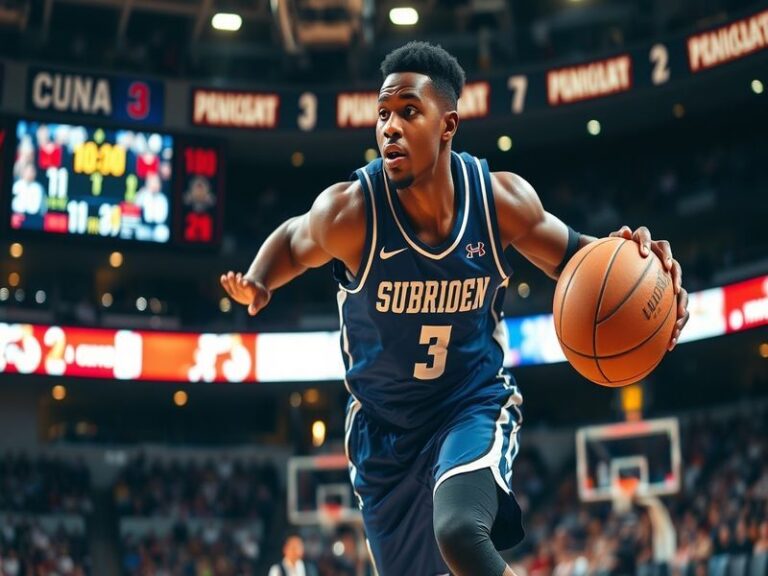
Character licensing extends beyond entertainment. Sports teams use mythological names like the Atlanta Hawks or Chicago Bulls to evoke strength and teamwork. Even corporate mascots often embody archetypal traits—consider the friendly reliability of McDonald’s Ronald McDonald or the rugged individualism of the Marlboro Man.
When Adaptations Miss the Mark
Not all character revivals succeed. Some attempts to modernize legends feel forced, stripping away what made the original compelling. The 2016 Ghostbusters reboot faced backlash for replacing the original male cast with an all-female team, not because of the gender swap itself, but because the new characters lacked the original’s chemistry and narrative depth.
Cultural sensitivity also plays a role. When Disney’s Moana introduced the demigod Maui, Polynesian communities praised the respectful representation. Conversely, earlier attempts like The Lone Ranger (2013) faced criticism for appropriating Native American culture without authentic consultation. These examples highlight the fine line between adaptation and exploitation.
The Future of Legendary Characters
Emerging technologies are creating new avenues for these timeless figures. AI-generated content could produce infinite variations of classic characters, while virtual influencers like Lil Miquela blend digital personas with human archetypes. These innovations raise questions about authenticity and the evolving definition of legendary status.
Interactive media is also reshaping character engagement. Video games like The Legend of Zelda series let players embody the hero archetype directly. Choose-your-own-adventure formats allow audiences to co-create legendary characters, making the experience more personal while maintaining the core narrative structure.
The persistence of legendary characters reflects their fundamental role in human communication. They serve as vessels for our collective dreams, fears, and aspirations. As storytelling mediums evolve, these characters will continue to adapt—remaining, in essence, what they’ve always been: mirrors of humanity’s eternal struggles and triumphs.
For those interested in exploring how specific industries leverage these archetypes, our Entertainment and Culture sections offer deeper analysis into character-driven narratives across different media.