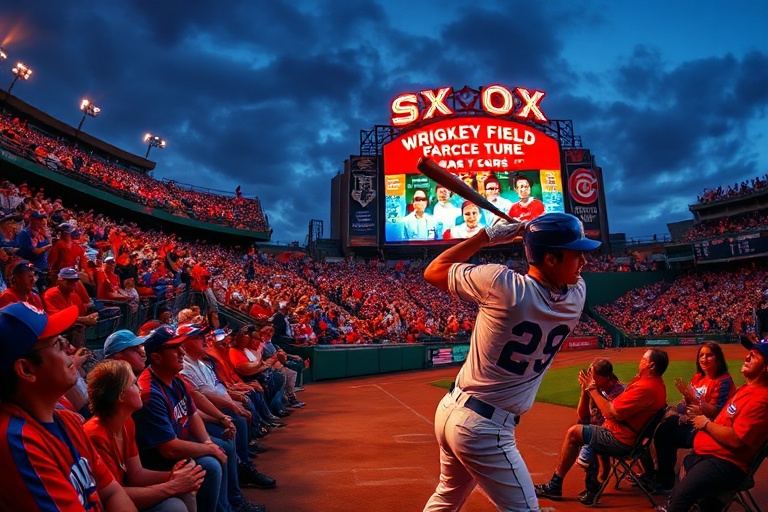
Chicago’s baseball season takes on a different flavor when the Cubs and White Sox face off. Known as the Cross-Town Classic, these interleague matchups pit the city’s two Major League teams against each other, creating a rare atmosphere where North and South Side loyalties clash on the field. While the rivalry isn’t as ancient as some in baseball history, it carries deep emotional weight for fans who see these games as more than just wins and losses.
The most recent Cubs-Sox series took place in June 2024 at Guaranteed Rate Field, drawing over 30,000 spectators—many of whom dressed in team colors, waved banners, and chanted throughout the three-game set. For some, it’s a chance to see stars like Dansby Swanson and Andrew Benintendi up close. For others, it’s about bragging rights until the next meeting. What makes these games special isn’t just the competition; it’s the shared passion of a city that lives and breathes baseball.
The History Behind the Rivalry
The Cubs-Sox rivalry officially began in 1997 when MLB introduced interleague play. Before then, the two teams rarely met except in spring training or charity exhibitions. That changed when the schedule was restructured to include regular-season matchups between league rivals. The first official game took place on May 29, 1997, at Comiskey Park, with the White Sox winning 8–3. Since then, the teams have faced each other multiple times each season, turning what could have been a routine series into a marquee event on Chicago’s sports calendar.
Unlike traditional rivalries built on decades of close competition, this one is rooted in geography and identity. The Cubs, playing on the North Side, represent tradition and history, with a fan base that stretches globally. The White Sox, on the South Side, have long been seen as the gritty underdogs, with a loyal local following. When they meet, it’s not just about baseball—it’s about neighborhood pride, family legacies, and the soul of Chicago.
- 1997: First interleague game ends with White Sox victory.
- 2008: Cubs win series at U.S. Cellular Field behind Carlos Zambrano’s pitching.
- 2012: Sox sweep Cubs in June, then White Sox pitcher Chris Sale strikes out 12 in a dominant performance.
- 2020: COVID-19 limits attendance, but the rivalry continues with Cubs winning two of three at Guaranteed Rate Field.
What Makes the Cross-Town Classic Unique
What sets the Cubs-Sox matchup apart from other interleague series is the fan experience. Unlike games where visiting fans are outnumbered, these contests often see nearly equal splits in the stands, with opposing sections trading taunts, chants, and even occasional good-natured heckling. Families bring children dressed in both team colors. Vendors sell both Cubs and White Sox merchandise side by side. The energy is electric, even when the standings don’t reflect a tight race.
The on-field product also benefits from the contrast in playing styles. The Cubs, known for their analytics-driven approach and patient hitting, often face off against the White Sox’s aggressive small-ball tactics. In 2023, the White Sox won two of three by relying on stolen bases and timely bunts, while the Cubs countered with home runs from Nico Hoerner and Seiya Suzuki. These tactical battles add another layer to the intrigue.
Another unique element is the crossover in fan demographics. While the Cubs draw a broader national audience, the White Sox maintain a strong blue-collar base. Some fans support both teams, especially in families with divided loyalties. It’s not uncommon to see grandparents wearing a Cubs cap while their grandkids sport White Sox jerseys. The series becomes a unifying force in a city often divided by politics, income, and geography.
Key Storylines in Recent Showdowns
The 2024 matchup arrived with both teams in playoff contention but far from the top of their divisions. The Cubs sat at .500, while the White Sox hovered just above. Still, the series mattered. For the Cubs, it was a chance to prove they could compete in a tough division. For the White Sox, it was about building momentum before the summer stretch.
Pitching dominated early. In Game 1, White Sox ace Dylan Cease struck out 10 over six innings, allowing just two runs. The Cubs’ offense, led by Christopher Morel, managed only five hits. Game 2 saw Sox shortstop Tim Anderson hit a go-ahead triple in the eighth, capping a late rally. The Cubs bounced back in Game 3 behind a strong start from Shota Imanaga, but the Sox won the series, 2–1.
Beyond the box scores, several narratives emerged:
- Cease’s dominance: With a 3.80 ERA and 200+ strikeouts, Cease has become the face of the White Sox rotation. His matchup against the Cubs’ lineup was one of the most anticipated pitching duels of the summer.
- Cubs’ defensive lapses: Errors in critical moments led to uncharacteristic losses, raising questions about consistency.
- Anderson’s leadership: Now in his ninth season, Anderson continues to be a sparkplug, both at the plate and in the clubhouse.
- Fan turnout: Despite midweek games, attendance exceeded 28,000 each night, proving the rivalry’s enduring appeal.
Why These Games Matter Beyond the Scoreboard
The Cubs-Sox games are a reminder that baseball is more than statistics and standings. They’re cultural touchstones. For lifelong South Siders, a Sox win is a moment of pride in a neighborhood that has seen economic challenges and social changes. For North Side residents, a Cubs victory reinforces a sense of belonging to a team with deep historical roots.
These games also provide a platform for community engagement. Both teams frequently partner with local charities during the series, donating portions of ticket sales to youth baseball programs, food banks, and violence prevention initiatives. In 2023, the Cubs and White Sox jointly supported the “Play Ball Across Chicago” campaign, aiming to introduce baseball to underserved communities.
For younger fans, the Cross-Town Classic may be their first exposure to the intensity of baseball rivalries. The atmosphere teaches lessons about sportsmanship, loyalty, and respect—even in the heat of competition. It’s not uncommon to see fans from opposing sides exchanging smiles after a close play or helping a child retrieve a foul ball.
Looking Ahead: What’s Next for the Rivalry
As the 2024 season progresses, both teams are positioning themselves for a potential postseason run. The Cubs, with their mix of young talent and experienced veterans, could make a strong push in the National League Central. The White Sox, meanwhile, are rebuilding around a core of rising stars like Yasmani Grandal and Gavin Sheets. A potential playoff matchup between the two would be unprecedented but not impossible.
The next Cubs-Sox series is scheduled for June 2025 at Wrigley Field. Fans are already counting down, marking their calendars and planning their outfits. For Chicagoans, these games aren’t just part of the baseball season—they’re part of the city’s identity. Whether you bleed red or black, the rivalry ensures that summer in Chicago is always eventful.
One thing is certain: when the Cubs and White Sox take the field, Chicago stops and watches. The games may last only nine innings, but the memories last a lifetime.
For more on Chicago’s baseball scene, visit our Sports and News sections.