death valley
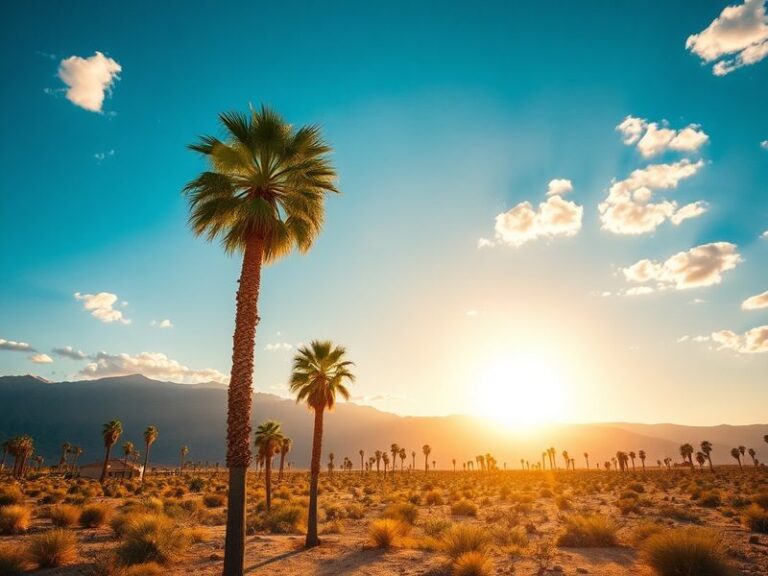
Few places on Earth capture the imagination quite like Death Valley. Straddling the California-Nevada border in the southwestern United States, this vast desert basin is a study in contradictions. It is the driest and hottest location in North America, yet it supports an astonishing diversity of life. Its stark landscapes—salt flats, sand dunes, canyons, and mountains—tell a story of geological forces at work over millennia.
Designated as a national park in 1994, Death Valley covers over 3.4 million acres, making it the largest national park in the contiguous United States. Despite its name, the valley is not a place devoid of life but rather a dynamic ecosystem where resilience and adaptation are on full display. From extreme temperatures that challenge human endurance to ancient rock formations that whisper of prehistoric seas, Death Valley remains one of the most compelling destinations for adventurers, scientists, and nature enthusiasts alike.
The Geography and Geology of Death Valley
Death Valley sits within the Basin and Range Province, a vast physiographic region characterized by parallel mountain ranges separated by flat valleys. The valley itself is a graben, a down-dropped block of land between two faults. At 282 feet below sea level, Badwater Basin is the lowest point in North America. Just 85 miles to the west, Telescope Peak rises to 11,043 feet, creating an elevation change that contributes to the park’s dramatic climate variations.
The geology of Death Valley is a textbook of Earth’s history. The valley floor is dominated by alluvial fans, formed by sediment deposits from the surrounding mountains. These fans create a mosaic of colors and textures, especially vivid after rare but intense rainstorms. The Mesquite Flat Sand Dunes, one of the park’s most iconic features, shift constantly with the wind, their golden grains reflecting the harsh desert light.
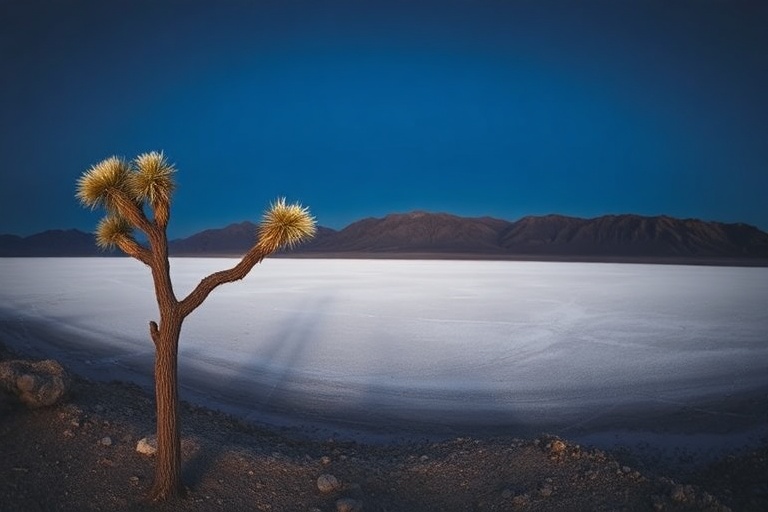
Perhaps most astonishing are the salt flats of Badwater Basin. These flats are the remnants of a vast inland sea that once filled the valley during the Pleistocene Epoch. As the water evaporated, minerals crystallized, leaving behind a crusty, cracked surface that stretches for miles. This is a landscape that changes visibly from season to season, even from day to day, as water occasionally pools in shallow, reflective sheets that create mirages of distant oases.
Climate: Surviving the Heat of the Hottest Place on Earth
Death Valley holds the record for the highest air temperature ever recorded on Earth. On July 10, 1913, the temperature at Furnace Creek reached 134°F (56.7°C). While such extremes are rare, summer temperatures routinely exceed 120°F, making midday outdoor activities perilous without proper preparation. Even in winter, daytime temperatures can soar into the 80s, while nighttime lows often drop below freezing in higher elevations.
The valley’s extreme heat is a result of several factors: its low elevation, which allows heat to accumulate; its arid climate, which prevents cloud cover from moderating temperatures; and its geography, which traps heat within the valley basin. These conditions have shaped not only the landscape but also the behaviors of the creatures that call Death Valley home.
Surprisingly, Death Valley is not always dry. Winter storms, particularly those originating from the Pacific, can bring significant rainfall. When this happens, the desert transforms. Ephemeral wildflowers carpet the valley floor in a breathtaking display known as a “superbloom,” a phenomenon that draws visitors from around the world. These blooms, though unpredictable, are a reminder that even in the harshest environments, life finds a way to thrive.
When to Visit: Timing Your Trip for the Best Experience
The best time to visit Death Valley is during the cooler months, from late fall to early spring. Temperatures in November through February typically range from the mid-70s during the day to the mid-40s at night, making it ideal for hiking and exploration. Spring is particularly popular due to the possibility of wildflower blooms, though timing is never guaranteed and depends on winter rainfall.
Summer visits are not impossible but require careful planning. Early mornings and late evenings are the only feasible times for outdoor activities, and even then, temperatures can be dangerously high. Many facilities and services are seasonal, with some areas closing entirely during the hottest months. Visitors who choose to brave the summer heat should prioritize indoor activities, such as visiting the Furnace Creek Visitor Center or exploring the park’s historic sites.
Biodiversity: Life in the Desert
Despite its harsh conditions, Death Valley supports a surprising variety of plant and animal life. Species here have evolved remarkable adaptations to survive extreme heat, scarce water, and dramatic temperature fluctuations. From the hardy creosote bush that dominates the landscape to the elusive desert bighorn sheep that navigate rocky cliffs, life here is a testament to nature’s ingenuity.
One of the park’s most iconic residents is the Death Valley pupfish, a small, silvery-blue fish found in isolated desert pools. These fish have survived in their shrinking habitats for thousands of years, evolving unique physiological traits to cope with high salinity and temperature fluctuations. Their story is a poignant reminder of the fragility of desert ecosystems in the face of climate change and human encroachment.
Birdlife is also abundant in Death Valley, particularly during migration seasons. Over 300 species have been recorded in the park, including the greater roadrunner, which dashes across the desert floor in pursuit of prey, and the golden eagle, which soars above the valleys in search of small mammals. Even reptiles, such as the desert tortoise and sidewinder rattlesnake, play crucial roles in the ecosystem.
Flora and Fauna Adaptations
Plants in Death Valley have developed a range of strategies to conserve water and withstand heat. Many, like the Joshua tree, grow slowly and reproduce only during rare wet years. Others, such as the desert five-spot, have succulent leaves that store moisture. Annual wildflowers lie dormant as seeds for years, germinating only when conditions are perfect.
Animals, too, have adapted in extraordinary ways. The kit fox, for example, has large ears that radiate heat, while the kangaroo rat can survive without drinking water, obtaining moisture from the seeds it eats. Even insects like the Death Valley darkling beetle have evolved behaviors to avoid the heat, such as burrowing into the sand during the day and emerging at night.
Human History and Cultural Significance
The human history of Death Valley is as layered as its geology. Indigenous peoples, including the Timbisha Shoshone, have lived in the region for thousands of years. For the Timbisha, Death Valley is not a place of desolation but a homeland rich with resources and spiritual significance. Their presence in the valley predates European settlement by millennia, and their knowledge of the land’s rhythms and resources sustained them through extreme conditions.
The arrival of European Americans in the mid-19th century brought dramatic changes. In 1849, a group of pioneers known as the Bennet-Arcan party became stranded in the valley during the California Gold Rush. Their harrowing ordeal, which included extreme thirst and the loss of livestock, gave the valley its ominous name. Yet, despite their suffering, the party’s survival demonstrated the resilience of those who ventured into the desert.
In the early 20th century, Death Valley became a site of mining and tourism. Borax, a mineral used in soap and laundry detergent, was discovered in the valley in the 1880s. The famous 20-mule teams hauled borax from the Harmony Borax Works to the railroad, becoming a symbol of the valley’s industrial past. By the 1920s, Death Valley was being promoted as a tourist destination, with resorts and roads built to accommodate visitors eager to experience its otherworldly landscapes.
Preservation and Modern Challenges
Today, Death Valley is a protected national park, managed by the National Park Service with a mission to preserve its natural and cultural resources. However, the park faces ongoing challenges, including climate change, which threatens to alter its delicate ecosystems. Rising temperatures and prolonged droughts could reduce water availability, affecting both wildlife and the rare wildflower blooms that draw visitors.
Human impact is another concern. With over a million visitors annually, the park must balance accessibility with conservation. Efforts such as limiting group sizes on popular trails and promoting Leave No Trace principles help mitigate damage to fragile environments. Additionally, the park collaborates with Indigenous communities to incorporate traditional ecological knowledge into its management strategies.
Exploring Death Valley: What to See and Do
Death Valley offers a wealth of experiences for visitors willing to venture into its remote and rugged terrain. Whether you’re seeking adventure, solitude, or a deeper understanding of the natural world, the park delivers unforgettable encounters.
One of the most popular destinations is Zabriskie Point, a viewpoint offering panoramic views of the eroded badlands below. The golden hues of the mud hills contrast dramatically with the deep blue of the sky, especially during sunrise and sunset. Nearby, the Golden Canyon provides a scenic hike through colorful rock formations, offering a glimpse into the valley’s geological past.
For those interested in the park’s mining history, the Harmony Borax Works offers a glimpse into the industrial era of Death Valley. The restored ruins of the borax refinery and the remains of the 20-mule team wagon provide a tangible connection to the valley’s past. Meanwhile, the Mesquite Flat Sand Dunes invite visitors to wander among shifting sands, where the interplay of light and shadow creates ever-changing patterns.
Adventurous travelers may wish to explore remote areas such as Ubehebe Crater, a massive volcanic crater formed by an explosive eruption thousands of years ago. The hike down to the crater floor is steep and unshaded, but the views of the surrounding desert are worth the effort. For a more challenging experience, the Telescope Peak Trail offers a strenuous 14-mile round-trip hike to the highest point in the park, rewarding hikers with sweeping views of the valley and surrounding mountains.
Tips for Visitors
Visiting Death Valley requires preparation. Here are some essential tips to ensure a safe and enjoyable trip:
- Stay hyd