Nestled in the northwest corner of Ireland, County Donegal often lives in the shadow of its more famous neighbors—yet those who venture beyond the typical tourist routes discover a region brimming with raw natural beauty, rich cultural heritage, and a pace of life that feels untouched by time. While places like Dublin or Galway draw millions of visitors annually, Donegal remains a well-kept secret, offering an authentic Irish experience that’s increasingly hard to find elsewhere.
Unlike the more commercialized coastal destinations, Donegal’s coastline stretches for over 1,000 kilometers, featuring some of Europe’s most dramatic cliffs, secluded beaches, and fishing villages where time seems to slow down. The county is also home to Ireland’s highest sea cliffs at Slieve League, which stand at nearly three times the height of the Cliffs of Moher—yet they’re visited by a fraction of the tourists. This contrast between Donegal’s breathtaking landscapes and its relative obscurity makes it a compelling destination for travelers seeking something beyond the ordinary.
The Natural Wonders of Donegal
Donegal’s geography is defined by its rugged coastline, rolling hills, and a patchwork of peat bogs and loughs. The county is part of the Wild Atlantic Way, a 2,500-kilometer coastal route that showcases Ireland’s most stunning scenery, but Donegal’s section of the route is arguably the most pristine and least crowded. From the windswept Malin Head—the northernmost point of Ireland—to the serene beauty of Glenveagh National Park, the county offers a diverse range of natural attractions.
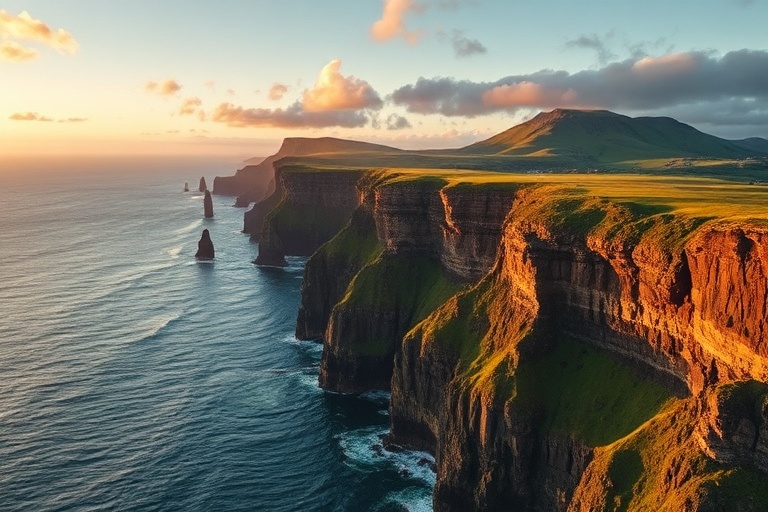
One of Donegal’s most iconic natural landmarks is the aforementioned Slieve League. These cliffs rise 601 meters above the Atlantic Ocean and provide panoramic views that stretch as far as the eye can see. Unlike the Cliffs of Moher, which can be crowded even in the off-season, Slieve League often feels like a private viewing point. Visitors can hike to the top or take a boat tour from nearby Teelin to appreciate the cliffs from the water, where the full scale of their grandeur becomes apparent.
For those who prefer inland scenery, Glenveagh National Park is a must-visit. Spanning over 17,000 hectares, the park is home to Ireland’s largest red deer population and a stunning castle set against the backdrop of the Derryveagh Mountains. The park’s walking trails lead through diverse landscapes, from dense forests to open moorland, offering hikers a chance to experience the quiet majesty of Donegal’s interior. The park is also a designated Dark Sky Park, making it an ideal spot for stargazing on clear nights.
Wild Atlantic Way: Donegal’s Untouched Stretch
The Wild Atlantic Way is more than just a scenic route; it’s an experience that highlights the raw, unfiltered beauty of Ireland’s west coast. Donegal’s portion of the route begins at the Inishowen Peninsula and winds southward, passing through charming villages like Dunfanaghy and Ardara before reaching the Bluestack Mountains. Each stop along the way offers something unique, whether it’s a quiet beach like Marble Hill, a historic site like Doe Castle, or a lively traditional music session in a local pub.
One of the most rewarding aspects of exploring Donegal’s Wild Atlantic Way is the opportunity to interact with the locals. The people of Donegal are known for their warmth and hospitality, often going out of their way to share stories, recommend hidden spots, or simply chat about the weather—a favorite pastime in this part of the world. This sense of community is a defining feature of Donegal and adds another layer of appeal for visitors.
Cultural Riches: Music, Language, and Tradition
Donegal’s cultural heritage is deeply rooted in its Gaelic traditions, and the county is one of the last strongholds of the Irish language in Ireland. Gaeltacht regions—areas where Irish is the primary spoken language—are scattered throughout Donegal, particularly in the northwest. Places like Gaoth Dobhair (Gweedore) and Na Rosa (The Rosses) are renowned for their vibrant Irish-speaking communities and traditional music scene.
Music is the lifeblood of Donegal’s cultural identity. The county has produced some of Ireland’s most celebrated musicians, including Altan, Moya Brennan, and the late, legendary Danny Boyden. Traditional music sessions are a nightly occurrence in many pubs across Donegal, from the lively sessions in Letterkenny to the intimate gatherings in remote villages like Glenties. These sessions are more than just entertainment; they’re a living, breathing connection to the county’s past.
Donegal is also home to a unique form of Irish dance known as “sean-nós” dancing, which is characterized by its relaxed, improvised style compared to the more formal step dancing seen elsewhere in Ireland. This dance form is often performed at local festivals and gatherings, providing a glimpse into the county’s creative spirit.
Festivals and Events That Celebrate Donegal’s Spirit
Throughout the year, Donegal hosts a variety of festivals that showcase its cultural heritage, artistic talent, and natural beauty. One of the most notable is the Earagail Arts Festival, held annually in July. This month-long celebration features music, theater, visual arts, and dance performances across the county, drawing artists and visitors from around the world. The festival’s name, “Earagail,” is the Irish word for Errigal, the iconic mountain that dominates the Donegal landscape.
Another highlight is the Donegal International Folk Festival, which takes place every August. This event brings together musicians, dancers, and storytellers from Ireland and beyond for a weekend of performances and workshops. The festival’s inclusive atmosphere makes it a great opportunity for visitors to immerse themselves in Donegal’s cultural traditions.
For those interested in literature, the Patrick MacGill Summer School in Glenties is a must-attend. Named after the famous Donegal writer and poet, the school features talks, readings, and discussions on Irish and international literature. It’s a chance to engage with the written word in one of the most scenic and peaceful settings imaginable.
Donegal’s Culinary Scene: From Seafood to Soda Bread
Donegal’s cuisine is a reflection of its coastal geography and rural heritage. Fresh seafood is a staple, with dishes like smoked salmon, oysters, and traditional chowder featuring prominently on menus. The county’s fishing villages, such as Killybegs and Greencastle, are renowned for their seafood, and many local restaurants source their ingredients directly from the sea.
Beyond seafood, Donegal is also celebrated for its traditional baking. Soda bread, made with buttermilk and a pinch of baking soda, is a staple in many households and is often served with a generous spread of local butter. Other local specialties include “yellowman,” a honeycomb toffee that’s a favorite at fairs and markets, and “cruithean,” a type of potato bread that’s a hearty accompaniment to any meal.
Donegal’s culinary scene has evolved in recent years, with a growing number of farm-to-table restaurants and artisan producers. Places like The Lobster Pot in Burtonport and The Rusty Mackerel in Downings are just a few examples of restaurants that highlight local ingredients with creativity and flair. Meanwhile, local markets like the one in Letterkenny offer a chance to sample and purchase products directly from the producers.
Craftsmanship and Artisan Traditions
Donegal is also known for its craftsmanship, particularly its textiles and wool products. The county’s tweed industry dates back centuries, and today, brands like Magee 1866 continue to produce high-quality tweed garments using traditional methods. Visitors can tour the Magee factory in Donegal Town to see how tweed is woven and finished, and even purchase custom-made pieces.
Another notable craft is Donegal’s hand-knit wool. The county’s knitwear is famous for its intricate designs and durability, with patterns often inspired by the landscape and local folklore. Many local artisans sell their work at craft fairs and markets, making it easy for visitors to take home a piece of Donegal’s heritage.
Why Donegal Deserves Your Attention
Donegal is more than just a destination; it’s an experience that lingers long after you’ve left. Whether you’re drawn to its dramatic landscapes, rich cultural traditions, or warm hospitality, the county offers something for everyone. Unlike the more tourist-heavy regions of Ireland, Donegal retains a sense of authenticity and tranquility that’s increasingly rare in today’s fast-paced world.
For travelers looking to escape the crowds and connect with the essence of Ireland, Donegal is an ideal choice. It’s a place where you can hike along empty beaches, listen to traditional music in a cozy pub, or simply sit by a peat fire and watch the rain roll in over the hills. These moments are the heart of what makes Donegal special.
As interest in sustainable and off-the-beaten-path travel grows, Donegal is poised to become a must-visit destination for those seeking a deeper connection to Ireland’s natural and cultural heritage. While it may not have the global recognition of places like Dublin or Cork, its understated charm is precisely what makes it so appealing.
If you’re planning a trip to Ireland, consider spending more time in Donegal than you might initially think. The county’s beauty, culture, and warmth will leave you with memories that far outlast the journey home.
For those interested in exploring more of Ireland’s hidden gems, check out our guides to Travel and Culture for additional inspiration.