Understanding Eid: Two Distinct Celebrations
Eid represents two of the most significant religious observances in Islam. Eid al-Fitr marks the end of Ramadan, the month-long fasting period, while Eid al-Adha commemorates the willingness of Ibrahim (Abraham) to sacrifice his son as an act of obedience to God. The dates for these celebrations shift annually because the Islamic calendar follows the lunar cycle, which is approximately 11 days shorter than the solar Gregorian calendar.
This lunar-based system means Eid dates vary across regions. While some countries declare Eid based on the sighting of the moon, others rely on astronomical calculations. These differences can create a 24-48 hour window between global celebrations. Understanding these variations provides insight into how Islamic traditions adapt to local contexts while maintaining spiritual unity.
Eid al-Fitr 2024: Determining the Date
For 2024, Eid al-Fitr is expected to begin on the evening of Wednesday, April 10, with celebrations continuing for three days. The exact date depends on the sighting of the Shawwal moon, which concludes Ramadan. Saudi Arabia and many Middle Eastern countries typically announce the start of Eid first, often influencing neighboring regions.
In the United States and Europe, Islamic organizations consult local moon-sighting committees and astronomical data. This decentralized approach can lead to different countries celebrating Eid on consecutive days. For example, in 2023, some Muslim communities in North America celebrated Eid one day after Saudi Arabia due to local moon sightings.
To stay updated on local Eid announcements, many turn to official Islamic centers or organizations like the Islamic Society of North America (ISNA). These groups provide real-time updates based on regional moon sightings, ensuring communities celebrate at the appropriate time.
Eid al-Adha 2024: A Delayed Celebration
Eid al-Adha, also known as the Festival of Sacrifice, follows approximately 70 days after Eid al-Fitr. In 2024, it is projected to begin on the evening of Sunday, June 16, ending on Wednesday, June 19. This holiday commemorates Ibrahim’s test of faith and includes the ritual sacrifice of an animal, with the meat distributed among family, friends, and the needy.
The date for Eid al-Adha depends on the sighting of the Dhu al-Hijjah moon, which marks the start of the Islamic month when Hajj, the annual pilgrimage to Mecca, takes place. Because Hajj occurs from the 8th to the 12th of Dhu al-Hijjah, Eid al-Adha begins on the 10th day of this month.
Globally, the celebration of Eid al-Adha can vary widely. In countries like Indonesia and Malaysia, festivities include communal prayers, feasts, and cultural performances. Meanwhile, in Western nations, Muslims often balance religious observances with work and school schedules, adapting traditions to fit local contexts.
Cultural and Regional Variations in Eid Celebrations
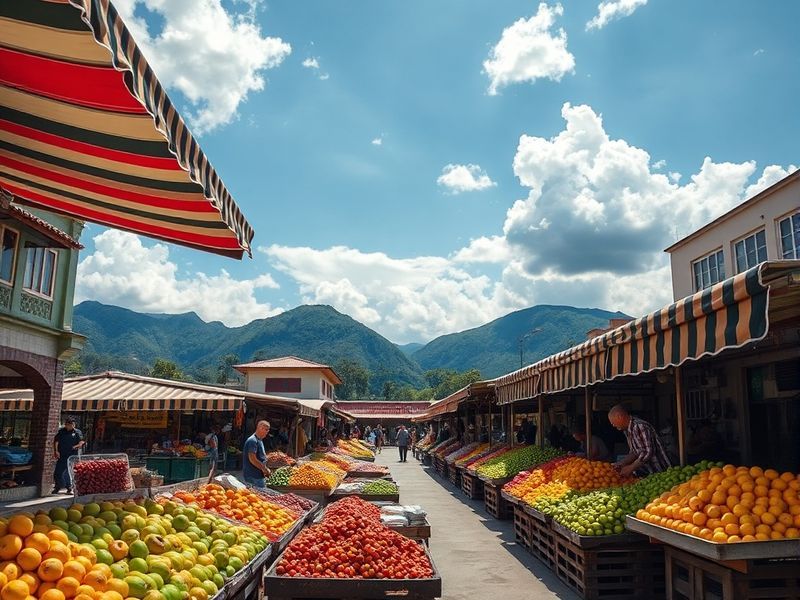
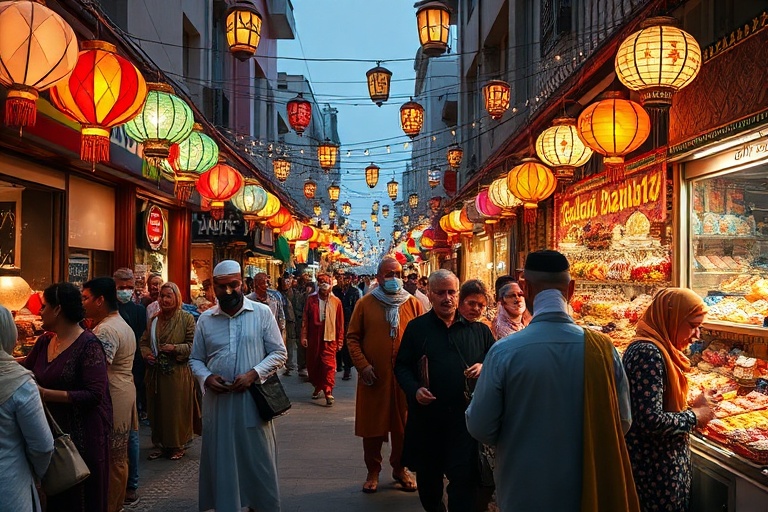
Eid is not a monolithic celebration but rather a mosaic of traditions shaped by geography and culture. In South Asia, for instance, Eid is synonymous with vibrant street markets, colorful clothing, and elaborate feasts featuring dishes like biryani and sheer khurma. In contrast, Turkish Eid, known as Ramazan Bayramı, emphasizes family visits and the exchange of sweets like baklava.
In Africa, Eid celebrations often blend Islamic traditions with indigenous customs. In Nigeria, for example, the holiday includes communal prayers followed by festivals featuring music and dance. Meanwhile, in Europe and North America, mosques host large congregational prayers, and communities organize interfaith gatherings to foster understanding.
These variations highlight the adaptability of Islamic traditions. While the core religious observances remain consistent, the cultural expressions of Eid reflect the diversity of the global Muslim community. This adaptability has allowed Eid to thrive in multicultural societies, where Muslims coexist with people of other faiths.
Key Factors Influencing Eid Dates
The determination of Eid dates involves several key factors:
- Moon sighting: Many Muslim-majority countries rely on the physical sighting of the moon to mark the beginning of a new Islamic month. This method emphasizes tradition and community involvement.
- Astronomical calculations: Some countries, particularly in the West, use scientific calculations to predict moon sightings. This approach prioritizes accuracy and consistency.
- Regional differences: The vast expanse of the Muslim world means that Eid can begin at different times depending on local conditions. For example, Southeast Asia may celebrate Eid a day or two after the Middle East.
- Government declarations: In countries like Saudi Arabia and the UAE, the government officially announces the start of Eid, which often sets the tone for other nations.
Planning for Eid: Practical Tips for Muslims Worldwide
For Muslims, Eid is a time of joy, reflection, and community. However, the shifting dates can pose logistical challenges, particularly for those balancing work, school, or travel. To prepare for Eid, many Muslims follow these steps:
- Stay informed: Monitor announcements from local Islamic centers, religious authorities, and reputable Islamic organizations to confirm Eid dates.
- Plan ahead: Book travel early, as flights and accommodations tend to fill up quickly during Eid. Families often travel to be together, making transportation and lodging highly competitive.
- Prepare culturally: Each community has its own Eid traditions, from special foods to clothing. Understanding these customs enriches the celebration and fosters a sense of belonging.
- Give and share: Eid is also a time for charity, known as Zakat al-Fitr. Muslims are encouraged to give to those in need, ensuring that everyone can partake in the festivities.
For non-Muslims, Eid offers an opportunity to learn about Islamic culture and build bridges of understanding. Attending an Eid prayer or visiting a local community event can provide valuable insights into the values of generosity, gratitude, and unity that define the holiday.
Conclusion: Eid as a Global Bridge
Eid is more than a religious observance; it is a celebration of faith, culture, and community that transcends borders. While the dates may vary, the spirit of Eid remains constant—a time for reflection, gratitude, and connection. As the Muslim world prepares for Eid in 2024, the global community watches and participates, each in their own way.
The diversity of Eid celebrations around the world underscores the richness of Islamic traditions. Whether marked by grand feasts in Indonesia, communal prayers in Turkey, or family gatherings in the West, Eid serves as a reminder of the shared humanity that binds us all. As societies become increasingly interconnected, the observance of Eid highlights the importance of cultural exchange and mutual respect.
For those curious about the Islamic calendar or seeking to understand Eid better, engaging with local Muslim communities or exploring Islamic cultural resources can be an enlightening experience. In a world often divided by differences, Eid stands as a testament to the power of faith and tradition to unite people across continents and cultures.