Eid al-Adha, one of the most significant religious observances in Islam, will be celebrated on June 28, 2026. Known as the Festival of Sacrifice, it commemorates the willingness of the Prophet Ibrahim (Abraham) to sacrifice his son as an act of obedience to God, before being intervened by a divine command to offer an animal instead. This year’s observance will bring together millions across continents, blending centuries-old traditions with contemporary expressions of faith.
The Spiritual Significance of Eid al-Adha
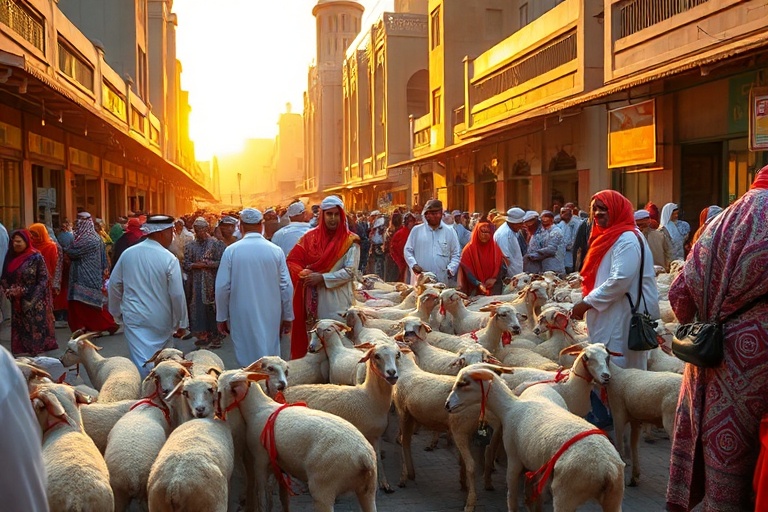
At its core, Eid al-Adha is a time for spiritual reflection and gratitude. The holiday falls on the 10th day of Dhu al-Hijjah, the final month of the Islamic lunar calendar, and coincides with the conclusion of Hajj, the annual pilgrimage to Mecca. Pilgrims in Saudi Arabia perform the ritual of Qurbani, the sacrifice of an animal such as a sheep, goat, cow, or camel, whose meat is then distributed among family, friends, and those in need.
This act of sacrifice is not merely symbolic. It reinforces values of selflessness, charity, and empathy. In communities worldwide, the distribution of meat to the poor ensures that even the most vulnerable can partake in the celebration. The ritual underscores a universal principle: faith is expressed through action, compassion, and shared humanity.
Global Traditions: From Mecca to Mecca, New Zealand
Eid al-Adha is celebrated with distinct cultural flavors across the globe. In the Middle East, families gather for communal prayers at dawn, followed by festive meals featuring dishes like mansaf in Jordan, qouzi in Iraq, and biryani in Pakistan and India. In Turkey, the holiday is known as Kurban Bayramı, and families prepare kurban eti kebabs and pilafs.
In Southeast Asia, communities in Malaysia and Indonesia celebrate with Hari Raya Haji, a blend of religious observance and cultural festivities. Mosques overflow with worshippers, and homes are adorned with colorful decorations. In Africa, countries like Morocco and Nigeria observe the holiday with traditional music, henna art, and communal feasts featuring local ingredients such as camel meat in the Sahara or goat stews in West African cuisines.
Even in non-Mus-majority countries, Eid al-Adha resonates deeply. In the United Kingdom, for example, over 3 million Muslims will celebrate in cities like London, Birmingham, and Manchester. Public spaces such as Leicester’s Golden Mile transform into vibrant hubs of celebration, with street food markets offering samosas, baklava, and spiced teas. Meanwhile, in New Zealand, Muslim communities in Auckland and Wellington gather for dawn prayers followed by picnics in parks, showcasing a blend of Islamic tradition and local culture.
Modern Observances and Social Impact
In 2026, Eid al-Adha will be observed in an era where technology and tradition intersect. Social media platforms will buzz with Eid greetings, virtual family gatherings, and livestreams of Hajj rituals. Apps and digital platforms have made it easier for families to coordinate sacrifices and charitable donations, even across continents. Charities like Islamic Relief and UNHCR are leveraging these tools to ensure that meat distributions reach conflict zones, refugee camps, and underserved communities.
This digital transformation has also given rise to new forms of cultural expression. In cities like Dubai and Toronto, Eid markets and pop-up events blend traditional attire, modern fashion, and global cuisine. Young Muslims, particularly in diaspora communities, are redefining the holiday’s aesthetic, merging streetwear with modest fashion and hosting Eid-themed concerts and art exhibitions.
Yet, the essence of Eid al-Adha remains unchanged. Whether celebrated in a village in rural Pakistan or a high-rise apartment in Toronto, the holiday’s focus on charity, family, and faith persists. For many, it is a time to reconnect with distant relatives, for others, it is an opportunity to give back to their communities. In 2026, as in past years, the global Muslim community will come together to honor a legacy of devotion and generosity.
Challenges and Opportunities in 2026
While Eid al-Adha is a time of joy, it also presents challenges. In some regions, economic hardship and political instability may limit access to sacrificial animals or fresh meat. Climate change poses another concern: rising temperatures and droughts in parts of Africa and the Middle East are affecting livestock availability and increasing food prices. Organizations are working to address these issues by promoting sustainable farming practices and expanding food security programs.
On the other hand, 2026 offers opportunities for greater inclusivity. Interfaith dialogues and community events are becoming more common, fostering understanding between Muslims and non-Muslims. Schools in countries like Canada and the United States are recognizing Eid al-Adha as a cultural holiday, allowing Muslim students to celebrate without academic penalties. These shifts reflect a growing recognition of Islam’s role in the global tapestry.
Key Observances of Eid al-Adha
- Prayer: Special congregational prayers are held at dawn in mosques and open spaces.
- Qurbani: The sacrifice of an animal, with the meat divided into three parts: family, friends, and the needy.
- Charity: Donations to the poor, often in the form of food, clothing, or cash.
- Feasting: Communal meals featuring traditional dishes and sweets like sheer khurma or baklava.
- Family and Community: Gatherings with extended family, visits to relatives, and sharing gifts with children.
A Reflection on Unity and Diversity
Eid al-Adha 2026 will be a reminder of both the diversity and unity of the global Muslim community. From the deserts of Arabia to the bustling streets of Jakarta, from the fjords of Norway to the plains of Argentina, Muslims will gather in prayer, reflection, and celebration. The holiday transcends borders, languages, and cultures, uniting people under a shared spiritual banner.
In a world often divided by politics and prejudice, Eid al-Adha stands as a testament to the power of faith and community. It is a celebration that invites everyone, regardless of background, to reflect on the values of sacrifice, gratitude, and generosity. As the sun rises on June 28, 2026, Muslims around the world will begin their day with prayer and end it with feasts, charity, and joy—a cycle as old as time, yet as relevant as ever.
For those seeking to learn more about Islamic traditions or global cultural events, Dave’s Locker offers a wealth of resources on faith, community, and celebration. Whether you are part of the celebration or simply an observer, Eid al-Adha invites you to pause, reflect, and embrace the spirit of giving.