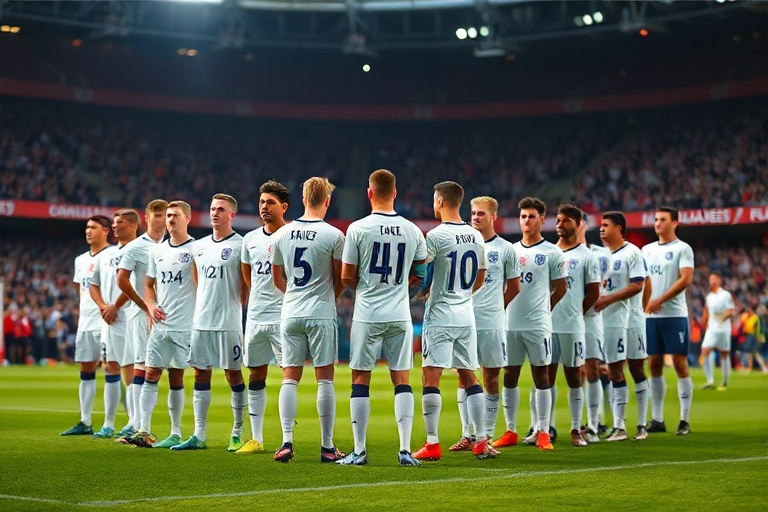
England Squad 2024: Southgate’s Tactical Choices Revealed
The England national football team has entered another major tournament cycle with a familiar mix of established stars and emerging talents. Gareth Southgate’s latest squad announcement reflects both continuity and evolution in England’s approach. As the Three Lions prepare for the upcoming international fixtures, the composition of the squad raises questions about balance, depth, and tactical readiness.
This analysis examines the key inclusions, omissions, and strategic implications of Southgate’s selection. It also considers how these choices might shape England’s trajectory in future competitions, from qualification campaigns to potential knockout stages in major tournaments.
The Core Philosophy Behind the Selection
Southgate’s squad-building strategy has consistently emphasized versatility and Premier League experience. The 2024 England squad follows this blueprint, with a blend of technical proficiency and physical presence. A closer look at the selections reveals several guiding principles:
- Premier League dominance: Over 70% of the squad plays in England’s top flight, ensuring familiarity with high-intensity football.
- Young talent integration:
- Injury resilience: Multiple players with recent recovery timelines were prioritized, reflecting lessons from past tournaments.
- Tactical adaptability: Players capable of operating in multiple positions were favored over one-dimensional specialists.
This approach has yielded mixed results in recent years. While it ensures cohesion and familiarity, it may limit exposure to different tactical systems prevalent in Europe’s top leagues. The reliance on domestic football could become a strategic disadvantage against teams with more diverse playing styles.
Key Players and Their Roles
The 2024 squad features several players who will be pivotal in defining England’s fortunes. The selection reflects Southgate’s confidence in certain individuals while also making bold choices to address perceived weaknesses.
Established Stars Maintaining Influence
Players like Harry Kane continue to anchor the attack, providing both goals and playmaking. His deep-lying role allows England to transition quickly from defense to attack. Meanwhile, Jude Bellingham’s box-to-box influence remains central to midfield control.
Defensively, the leadership of Harry Maguire and John Stones provides stability, though questions linger about the next generation of center-backs. The inclusion of Ben White and Conor Coady suggests a preference for pragmatism over youth in defensive roles.
Youth Movement and Future Prospects
The squad includes several young players making their first major tournament squads. Anthony Gordon and Jarrod Bowen represent the new wave of English wingers, offering pace and directness. Their selection indicates a shift toward more dynamic attacking options.
Midfielders Kobbie Mainoo and Curtis Jones bring technical refinement and press resistance, qualities that could prove decisive in tight matches. Their development under Southgate’s watchful eye suggests a long-term vision for the national team.
Omissions and Selection Surprises
Every squad announcement comes with its share of controversies, and the 2024 England selection is no exception. Several high-profile players were left out, raising debates about form, fitness, and future potential.
Notable absentees include Manchester United’s Jadon Sancho, whose omission reflects Southgate’s preference for more experienced options on the left wing. The exclusion of Aston Villa’s Ollie Watkins, despite a prolific domestic season, suggests a tactical mismatch with England’s preferred system.
In defense, the omission of Marc Guéhi highlights the depth of talent at center-back. Southgate’s decision to prioritize versatility over pure defensive ability may prove contentious as England faces more physically imposing opponents.
Broader Implications for English Football
The composition of the England squad has implications beyond mere tournament preparation. It reflects broader trends in English football development and the challenges of balancing club and country.
One significant concern is the over-reliance on Premier League players. While this ensures tactical familiarity, it may limit the squad’s adaptability against teams playing different styles. The lack of players from Europe’s top leagues could become a liability in tournaments where tactical innovation is crucial.
Another consideration is the psychological impact of squad selection. The omission of certain players might affect their club performances or future national team ambitions. The pressure on young talents to deliver in major tournaments could also influence their development trajectories.
From a developmental perspective, the squad offers a promising mix of technical ability and physical attributes. The integration of young players alongside experienced campaigners could provide a smooth transition to a new generation of England stars.
Conclusion: What Lies Ahead for the Three Lions
Gareth Southgate’s 2024 England squad represents a calculated gamble between experience and evolution. The selections reflect a team in transition, with young talents ready to step into bigger roles while established stars provide guidance. The tactical flexibility embedded in the squad offers potential solutions to England’s historic knockout stage struggles.
As the team prepares for upcoming fixtures, the real test will be in competitive matches. Can this blend of youth and experience finally break through in major tournaments? The answer may lie in Southgate’s ability to maximize the squad’s strengths while minimizing its weaknesses. One thing is certain: the debate about England’s football future will continue long after the final whistle of the next match.
For more analysis on international football tactics, visit our Sports section. To explore deeper player profiles and tactical breakdowns, check out our Analysis category.