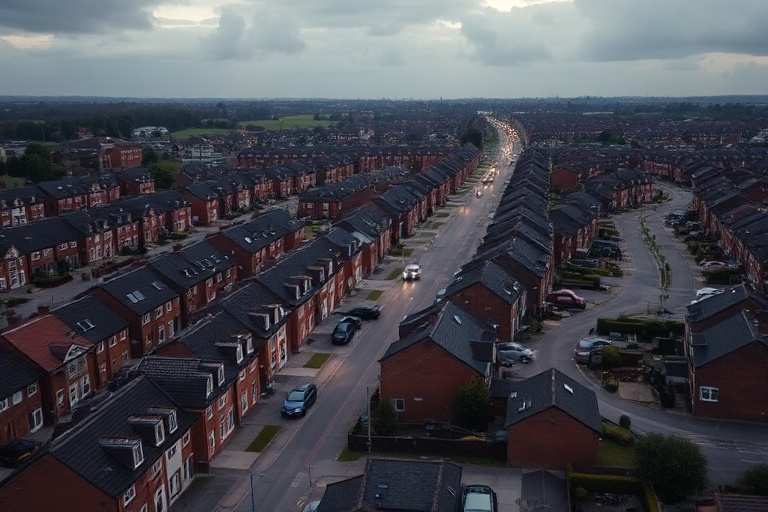
Housing Estates: The Hidden Fabric of Modern Living
The modern housing estate remains one of the most understated yet critical components of urban and suburban landscapes. These planned communities, whether sprawling suburban developments or compact urban enclaves, shape daily life in ways that often go unnoticed. They are more than just clusters of homes—they are microcosms of social interaction, economic forces, and architectural trends.
The concept of the housing estate dates back centuries, but its contemporary form emerged with the industrial revolution. Rapid urbanization led to overcrowded cities, prompting planners and developers to create structured communities that balanced affordability with livability. Today, housing estates reflect shifting priorities, from post-war reconstruction to the rise of gated communities and eco-villages.
The Evolution of Housing Estates: From Necessity to Lifestyle Choice
The earliest housing estates were born out of necessity. In the 19th century, industrialization packed workers into cramped, unsanitary tenements. Reformers and philanthropists, such as the Quakers in the UK, began designing model villages to improve living conditions. These early estates prioritized sunlight, fresh air, and communal spaces—principles that still influence urban planning today.
By the mid-20th century, housing estates became a symbol of progress. Governments worldwide launched large-scale projects to address housing shortages, particularly after World War II. The UK’s New Towns Act of 1946 led to the creation of planned communities like Milton Keynes, designed to decentralize population growth and provide affordable housing. Meanwhile, in the United States, suburban housing estates like Levittown became icons of the American Dream, offering uniformity and accessibility to returning veterans.
In recent decades, the purpose of housing estates has diversified. No longer just affordable housing solutions, they now cater to niche markets—luxury gated communities, eco-friendly cohousing projects, and even artist collectives. The rise of “smart estates,” equipped with IoT devices and energy-efficient technologies, further highlights how these spaces adapt to technological and environmental demands.
Key Phases in Housing Estate Development
- Industrial Revolution (19th Century): Model villages and early tenement reforms focus on health and morality.
- Post-War Boom (Mid-20th Century): Mass-produced suburban estates address housing shortages and suburbanization.
- Late 20th Century: Decline of public housing estates due to stigma and poor maintenance; rise of private gated communities.
- 21st Century: Sustainable, mixed-use estates prioritize walkability, green spaces, and community engagement.
Design and Social Dynamics: What Makes a Housing Estate Work?
The success of a housing estate hinges on more than just bricks and mortar. Design plays a pivotal role in fostering community or inadvertently isolating residents. Traditional estates often featured uniform housing with shared green spaces, encouraging interaction. In contrast, modern gated communities may prioritize privacy and security, sometimes at the expense of social cohesion.
One of the most debated aspects of housing estate design is density. High-density estates, such as those in European cities, maximize land use and promote public transportation. However, they can also lead to overcrowding and strained infrastructure. Low-density suburban estates, while offering space and tranquility, contribute to urban sprawl and car dependency.
Social dynamics within housing estates are equally complex. Well-designed estates incorporate communal areas—parks, community centers, and local shops—to encourage interaction. However, poorly planned estates can become socially fragmented, with residents feeling disconnected from one another and from broader urban life. The infamous Pruitt-Igoe housing project in St. Louis, demolished in the 1970s, exemplifies how architectural and social failures can lead to urban decay.
Elements of a Successful Housing Estate
- Mixed-Use Zoning: Integrating residential, commercial, and recreational spaces reduces car dependency and fosters local economies.
- Accessible Public Spaces: Parks, playgrounds, and squares serve as social hubs and improve mental well-being.
- Architectural Diversity: A variety of housing styles and sizes prevents monotony and accommodates different lifestyles.
- Strong Community Governance: Resident associations and local councils ensure that estates evolve with the needs of their inhabitants.
- Sustainability Features: Green roofs, solar panels, and rainwater harvesting reduce environmental impact and lower living costs.
The Broader Implications: Housing Estates and Urban Policy
Housing estates are not isolated entities; they are deeply intertwined with broader urban policies and economic trends. The rise of neoliberalism in the late 20th century shifted the focus from public housing to market-driven development. This transition led to both innovation and inequality. While private developers created aesthetically pleasing and technologically advanced estates, they also priced out lower-income families, exacerbating housing crises in cities like London and San Francisco.
Governments have responded with mixed results. Some countries, such as Singapore, have mastered the art of public housing through the Housing & Development Board (HDB). Singapore’s HDB estates house over 80% of the population, blending affordability with high-quality design and amenities. Others, like the Netherlands, have pioneered “co-housing” models where residents collectively own and manage their estates, fostering a strong sense of community.
On the other hand, the failure of large-scale public housing projects in the US and UK during the 1960s and 1970s left a lasting stigma. These estates, often isolated and poorly maintained, became synonymous with crime and poverty. Policymakers today face the challenge of revitalizing such areas without repeating past mistakes. Initiatives like the UK’s Housing Estates Regeneration Programme aim to demolish and rebuild failing estates, incorporating mixed-income housing to prevent segregation.
The Future of Housing Estates: Innovation and Challenges
The next generation of housing estates will be shaped by three dominant forces: climate change, technological advancement, and demographic shifts. Climate-conscious design is already becoming a standard, with estates incorporating passive solar heating, urban farming, and flood-resistant infrastructure. The Dutch “water estates,” where homes are built on floating platforms, offer a glimpse into adaptive urbanism.
Technology is another game-changer. Smart estates leverage AI to optimize energy use, traffic flow, and waste management. Some developments, such as Songdo in South Korea, are built from the ground up as “smart cities,” where IoT sensors monitor everything from air quality to resident health. However, the integration of technology raises concerns about surveillance and data privacy.
Demographic changes also demand rethinking housing estates. Aging populations require accessible, age-friendly designs, while younger generations prioritize walkability and digital connectivity. The rise of multigenerational housing and “silver neighborhoods” reflects this evolution. Meanwhile, the gig economy and remote work are blurring the lines between home and workplace, necessitating flexible living spaces.
Yet challenges remain. NIMBYism (“Not In My Backyard”) often stymies large-scale developments, even when they are desperately needed. Affordability crises in major cities make it increasingly difficult for middle- and low-income families to access quality housing. And as climate change intensifies, estates in flood-prone or heat-vulnerable areas will face existential threats.
Emerging Trends in Housing Estates
- 15-Minute Cities: Estates designed so that residents can access daily needs within a 15-minute walk or bike ride, reducing car dependency.
- Modular and Prefabricated Housing: Quick-to-assemble, sustainable homes address urgent housing shortages and reduce construction waste.
- Intergenerational Housing: Mixed-age communities where seniors and young families share spaces, fostering mutual support.
- Biophilic Design: Incorporating natural elements like green walls, indoor plants, and natural light to improve mental health.
- Co-Living Spaces: Shared housing models that appeal to young professionals and digital nomads seeking affordability and community.
Conclusion: Building Estates for People, Not Just Shelter
The housing estate is far more than a collection of homes—it is a reflection of societal values, economic priorities, and technological progress. From the model villages of the 19th century to the smart cities of tomorrow, these spaces have continually evolved to meet the needs of their time. Yet the core challenge remains: how to design estates that not only provide shelter but also foster community, equity, and sustainability.
As urbanization accelerates and climate pressures mount, the decisions made today about housing estates will resonate for decades. Policymakers, architects, and residents must collaborate to create spaces that are inclusive, resilient, and human-centered. Whether through adaptive reuse of existing estates or the development of entirely new models, the future of housing lies in balancing innovation with compassion.
One thing is clear: the housing estate will continue to shape the way we live, work, and interact. The question is whether we will shape it thoughtfully—or let it shape us by default.