Osasuna’s Rise Under Jagoba Arrasate: A Basque Resurgence
The 2023-24 La Liga season saw a remarkable shift in Spanish football’s balance of power. While giants like Real Madrid and Barcelona continued their dominance, a resurgent CA Osasuna quietly emerged as a symbol of tactical discipline and regional pride. Under the guidance of head coach Jagoba Arrasate, the Navarre-based club defied expectations, finishing in the top half of the table and securing a historic Europa League qualification. This campaign was more than a footballing success; it was a cultural statement about the evolving identity of Spanish football beyond its traditional power centers.
Osasuna’s journey reflects broader trends in European football, where clubs outside the elite are leveraging structure, youth development, and community identity to challenge established hierarchies. The club’s Basque roots, combined with Arrasate’s pragmatic approach, have created a model that resonates far beyond Pamplona’s Reyno de Navarra Stadium. To understand this phenomenon, it’s essential to examine three key pillars of Osasuna’s transformation: tactical evolution, player development, and the role of cultural identity in modern football.
Tactical Discipline: The Arrasate Blueprint
Jagoba Arrasate’s tenure at Osasuna has been defined by a clear, adaptable philosophy. Unlike the high-pressing systems favored by clubs such as Atlético Madrid or Real Sociedad, Arrasate’s Osasuna operates with a compact 4-4-2 or 5-3-2 formation, prioritizing defensive solidity and quick transitions. This approach has drawn comparisons to Diego Simeone’s Atlético, though with a distinct Basque flavor. The team’s ability to frustrate opponents—particularly against top sides—has become a hallmark of their play.
One of the most striking aspects of Osasuna’s tactical identity is their defensive organization. The backline, marshaled by experienced defenders like Unai García and Juan Cruz, rarely concedes high-quality chances. In the 2023-24 season, Osasuna ranked among the top five teams in La Liga for fewest goals conceded per game. This defensive resilience is complemented by a midfield that balances aggression with control. Players like Aimar Oroz and Jon Moncayola dictate tempo while providing late runs into the box, a tactic that has netted crucial goals against higher-ranked opponents.
Arrasate’s system also emphasizes set-piece proficiency, a facet often overlooked in modern football. Osasuna scored 12 goals from set pieces during the 2023-24 campaign, a statistic that underscores their meticulous preparation. This tactical flexibility has allowed Osasuna to compete against clubs with significantly larger budgets, proving that structure and execution can outweigh financial disparity.
Youth Development: The Basque Pipeline
Osasuna’s resurgence is deeply intertwined with the club’s commitment to youth development, a tradition embedded in Basque football culture. The club’s academy, Cantera Osasuna, has long been a breeding ground for local talent, producing players like Iñigo Pérez and Roberto Torres, who became key figures in the first team. Under Arrasate, this philosophy has extended to strategic recruitment, focusing on young players with high potential but undervalued in the transfer market.
The 2023-24 season saw the emergence of several academy graduates, including midfielder Oihan Sancet, who made his senior debut at just 18 years old. Sancet’s performances in the Europa League qualifiers highlighted the club’s ability to integrate youth without sacrificing quality. This focus on homegrown talent aligns with the broader Basque football ethos, where clubs like Athletic Bilbao have long prioritized local players as a matter of principle.
Osasuna’s recruitment strategy also reflects a global perspective. While the club remains rooted in its Basque identity, it has increasingly scouted talent from Latin America and Africa, adding diversity to its squad. This approach mirrors trends seen in clubs like Villarreal, which blend local talent with international flair. However, Osasuna’s ability to blend these elements seamlessly sets them apart, creating a squad that feels both familiar and fresh.
Cultural Identity: A Club Beyond Football
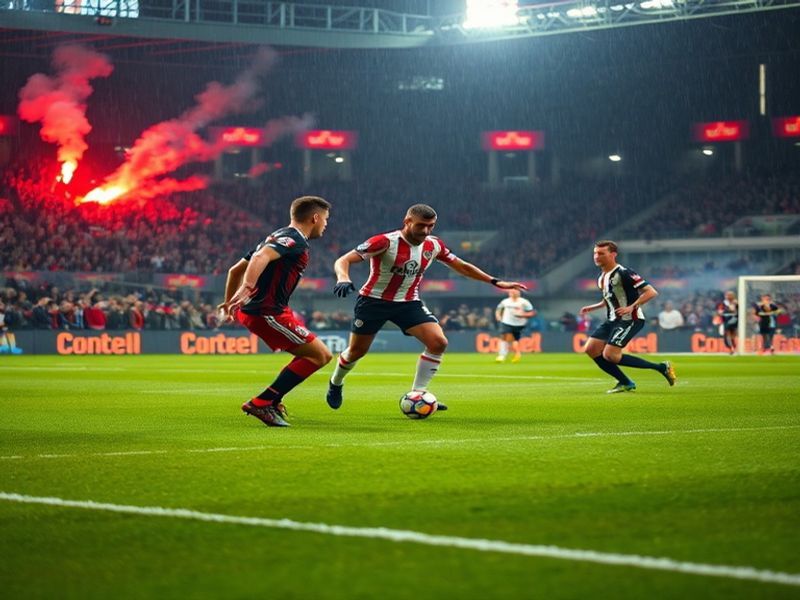
Osasuna is more than a football club; it’s a cultural institution in Navarre, a region with a distinct identity within Spain. The club’s nickname, Los Rojillos (The Little Reds), reflects its working-class roots, and its fanbase is known for its passionate, often vocal support. The Reyno de Navarra Stadium, with its intimate atmosphere, amplifies this connection, creating an environment where players feel the weight of the shirt.
This cultural significance extends beyond matchdays. Osasuna’s involvement in local initiatives, such as youth outreach programs and social causes, has strengthened its bond with the community. In a sport increasingly dominated by corporate interests, Osasuna’s grassroots approach serves as a reminder of football’s role as a social glue. This identity has resonated globally, particularly among fans who value authenticity over commercialization.
The club’s Basque heritage also plays a role in its global appeal. The Basque Country has a unique footballing culture, characterized by a focus on skill, physicality, and collective effort. Osasuna’s style of play embodies these values, and its success has drawn attention from analysts and fans worldwide. In an era where football is often reduced to financial transactions, Osasuna’s story is a refreshing counterpoint.
Osasuna’s Global Impact and Future Prospects
Osasuna’s qualification for the Europa League marked their first appearance in European competition since 2006-07. This achievement has put the club on the global footballing map, attracting interest from international broadcasters and sponsors. The Europa League campaign will be a test of their mettle against Europe’s elite, but it also presents an opportunity to showcase their philosophy on a bigger stage.
The club’s global reach is further enhanced by its growing online presence. Osasuna’s social media platforms have become hubs for fan engagement, offering behind-the-scenes content, player interviews, and community initiatives. This digital strategy has helped the club build a fanbase that extends beyond Navarre, connecting with supporters in Latin America, Africa, and Asia.
Looking ahead, Osasuna faces challenges typical of clubs outside the traditional elite. Financial constraints mean that key players could be poached by bigger clubs, while the demands of European football will test their squad depth. However, the club’s infrastructure—particularly its academy and scouting network—provides a foundation for sustainable success. If Arrasate can continue to blend youth development with astute recruitment, Osasuna could establish itself as a consistent force in European football.
For football fans worldwide, Osasuna’s story is a reminder that success isn’t solely measured in trophies or budgets. It’s about passion, identity, and the belief that football can be more than just a business. As the club embarks on its Europa League journey, it carries the hopes of a community and the aspirations of a new generation of football lovers.
In a sport often criticized for losing touch with its roots, Osasuna stands out as a beacon of authenticity. Their rise is a testament to the power of football as a cultural force, one that transcends borders and unites people under a shared identity. Whether they lift trophies or not, their impact on the game is undeniable.