The North Devon coast is known for its dramatic cliffs and powerful waves, but it’s also a place where courage and quick thinking save lives—sometimes those of four-legged friends. The Ilfracombe Lifeboat Station has earned a reputation for daring rescues, and one of their most memorable operations involved saving a stranded dog from a perilous situation. This is the story of how local heroes extended their lifesaving mission to include a vulnerable animal in distress.
The Incident That Made Headlines
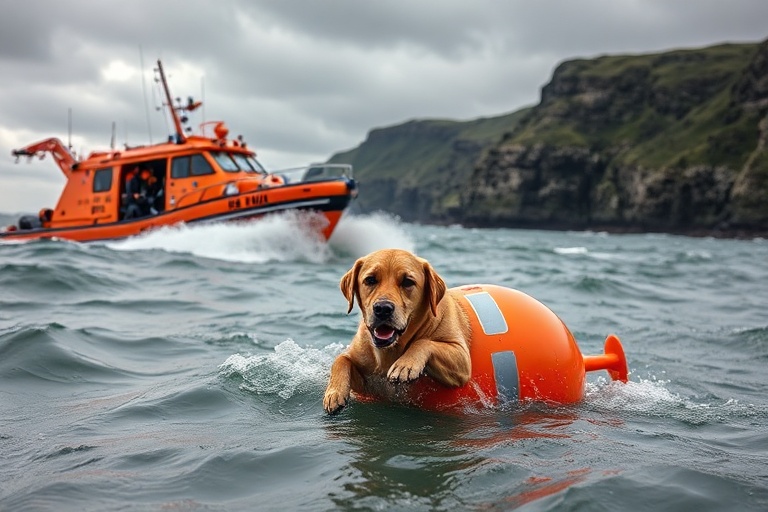
On a blustery afternoon in late October, the volunteer crew of the Ilfracombe RNLI lifeboat was called to a coastal emergency. Reports came in of a dog clinging to rocks near Hele Bay, its barks barely audible over the crashing waves. The tide was rising, and the animal was trapped with no safe way to reach the shore. What followed was a textbook rescue operation, executed with precision and care.
According to eyewitness accounts, the dog—a black Labrador named Max—had been swept off a nearby beach during a sudden storm surge. Locals spotted the struggling animal and immediately contacted emergency services. The Ilfracombe team sprang into action, launching their all-weather lifeboat within minutes. Conditions were far from ideal, with strong winds and heavy swells making navigation challenging even for experienced crews.
Challenges of a High-Stakes Rescue
The rescue presented several obstacles. First, the location was hazardous for both rescuers and the animal. The jagged rocks around Hele Bay are unforgiving, and any misstep could have led to further injury. Second, the dog’s panic made it difficult to approach safely. Experienced handlers aboard the lifeboat had to carefully maneuver close enough to deploy a rescue sling without startling the animal.
Coxswain Tom Daly explained afterward, “We’ve trained for all kinds of scenarios, but each rescue is unique. This one required patience and steady nerves. The crew had to balance speed with precision to avoid injuring the dog or ourselves.” The team used a combination of ropes and flotation devices to stabilize the situation before gently lifting Max aboard.
Once on the boat, the dog was wrapped in a thermal blanket and given water. Crew members noted that Max was dehydrated but otherwise unharmed. The journey back to Ilfracombe Harbour was slow and careful, as the crew prioritized the animal’s comfort and safety above all else.
A Tradition of Lifesaving
The RNLI has been saving lives at sea since 1824, and the Ilfracombe station has been a vital part of that legacy for over a century. While their primary mission is to rescue humans, the crew has often gone above and beyond to assist animals in distress. This isn’t the first time they’ve been called to help a stranded pet.
In 2018, the station rescued a sheep trapped on a ledge during a storm. In 2020, they assisted a swan entangled in fishing line near the pier. These incidents highlight the adaptability of the RNLI’s volunteers, who are trained to respond to emergencies of all kinds, regardless of species.
For many crew members, these animal rescues are a reminder of the broader purpose of their work. As one volunteer put it, “At the end of the day, we’re here to save lives. Whether it’s a person or a pet, the mission is the same: get them to safety.”
Community Response and Awareness
The rescue of Max quickly gained attention on social media, with locals and animal lovers from across the UK sharing the story. The Ilfracombe RNLI Facebook page saw a surge in followers, and donations to the station increased in the days following the incident.
This kind of visibility is invaluable for the RNLI, which relies heavily on public support. While their lifeboats are funded primarily by donations, many people are unaware of the full scope of their work. Animal rescues, while less common, play a role in educating the public about the station’s broader lifesaving efforts.
The station has since used the incident as an opportunity to remind pet owners about coastal safety. They’ve shared tips on keeping dogs leashed near cliffs and avoiding beaches during high tide or storms. These messages resonate with a community that values both its people and its animals.
The Human Side of the Rescue
Behind every rescue is a team of individuals who train relentlessly, often balancing their lifeboat duties with full-time jobs and family responsibilities. The Ilfracombe crew includes fishermen, teachers, and retirees, all united by a commitment to service.
For Coxswain Daly, the Max rescue was personal. “I have a dog myself,” he admitted. “When I saw the footage of Max struggling on those rocks, I knew we couldn’t leave him out there. It’s not just about the job; it’s about doing what’s right.”
The crew’s dedication extends beyond emergencies. Training sessions are held weekly, and fundraising efforts ensure the station remains operational. The RNLI receives no government funding, relying entirely on donations and legacies. Every animal rescue, no matter how small, serves as a reminder of why that support matters.
Lessons from the Rescue
The Max rescue offers several takeaways for both the community and emergency responders. First, it underscores the importance of preparedness. Pet owners should be aware of the risks their animals face near water, especially during unpredictable weather.
Second, it highlights the adaptability of the RNLI. While their core mission is human rescue, their crews are trained to handle a variety of scenarios, including those involving animals. This flexibility is a testament to their professionalism.
Finally, the incident reinforces the bond between humans and animals. In a coastal town like Ilfracombe, pets are often part of the family, and their safety is a shared concern. The rescue of Max wasn’t just about saving a dog—it was about preserving a sense of community and care.
As the RNLI continues its vital work, stories like Max’s serve as a reminder of the courage and compassion that define both the crew and the town they serve.
How You Can Help
Supporting the RNLI doesn’t require being part of a rescue crew. There are many ways individuals and businesses can contribute to their lifesaving mission:
- Donations: Every pound goes toward maintaining lifeboats and training crews. The Ilfracombe station welcomes both one-time gifts and regular contributions.
- Fundraising: Organizing local events, from bake sales to charity runs, can make a significant impact. The RNLI provides resources and support for fundraising efforts.
- Volunteering: While crew positions are competitive, there are other ways to get involved, such as serving as a shore crew member, fundraiser, or station visitor.
- Education: Sharing the RNLI’s safety messages—especially with pet owners—helps prevent emergencies before they happen.
For those interested in learning more about coastal safety or supporting the RNLI, visiting the Travel section of Dave’s Locker can provide additional resources and insights.
A Story That Ends with a Tail Wag
Max’s rescue concluded with a happy ending. After a thorough check by a local vet, he was reunited with his grateful owners, who had been frantically searching for him since the storm began. The family later visited the Ilfracombe lifeboat station to thank the crew in person, presenting them with a framed photo of Max as a token of their appreciation.
For the volunteers, moments like these are the true rewards of their work. As one crew member reflected, “We train for emergencies, but it’s the happy endings that keep us going. Whether it’s a person or a pet, getting to see them safe and sound is what it’s all about.”
The Ilfracombe lifeboat dog rescue is more than just a news story—it’s a testament to the courage of ordinary people doing extraordinary things. In a world where headlines often focus on division, this rescue reminds us that compassion and bravery transcend species. The waves of the North Devon coast may be fierce, but the spirit of the Ilfracombe RNLI crew is even stronger.