Juventus and Fiorentina: A Rivalry Rooted in History and Passion
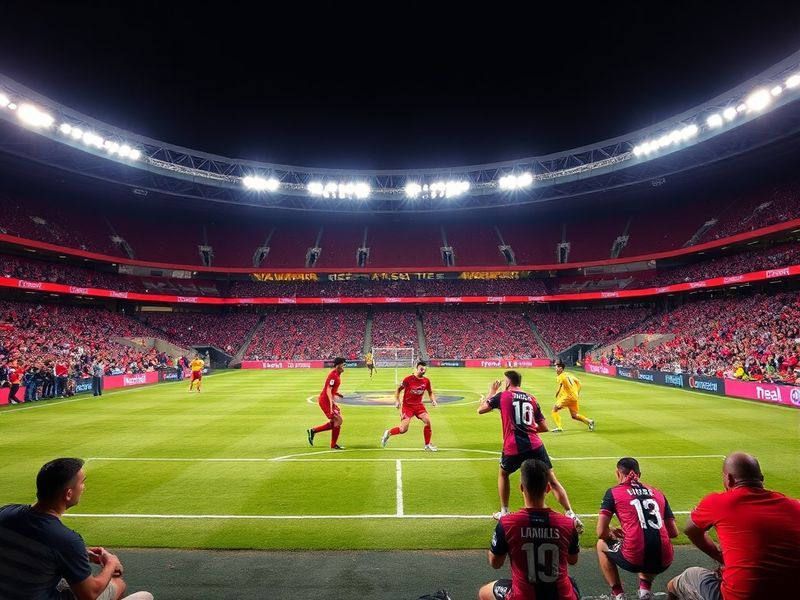
The clash between Juventus and Fiorentina transcends mere football. It is a fixture that carries the weight of history, regional pride, and cultural identity. Since their first meeting in 1929, these two Italian giants have woven a narrative of competition, drama, and unforgettable moments. Juventus, the Old Lady of Turin, represents the industrial north’s dominance in Italian football, while Fiorentina embodies the artistic and passionate spirit of Florence. Their encounters are not just matches; they are cultural events that reflect broader societal shifts in Italy and beyond.
The rivalry gained particular intensity during the 1950s and 1960s. Fiorentina, under the leadership of the charismatic captain Giuseppe Chiatti and later the legendary Swedish striker Kurt Hamrin, challenged Juventus’ hegemony in Serie A. The 1955-56 season saw Fiorentina finish as runners-up to Juventus, a sign of their growing competitiveness. Yet, it was the 1960s that solidified their status as Italy’s second most glamorous club, behind only the unassailable Milanese duo of AC Milan and Inter. The Viola’s golden era, marked by their 1968-69 Scudetto, remains one of the most cherished chapters in Italian football history.
The Cultural Divide: Turin vs. Florence
The Juventus-Fiorentina rivalry is as much about geography as it is about football. Turin, a city shaped by Fiat’s industrial might, has long been associated with pragmatism, discipline, and a no-nonsense approach to life. Juventus, the club of the Agnelli family and the industrial elite, has mirrored this ethos on the pitch. Their style has often been characterized by tactical efficiency, defensive solidity, and a reliance on foreign talent to maintain their dominance.
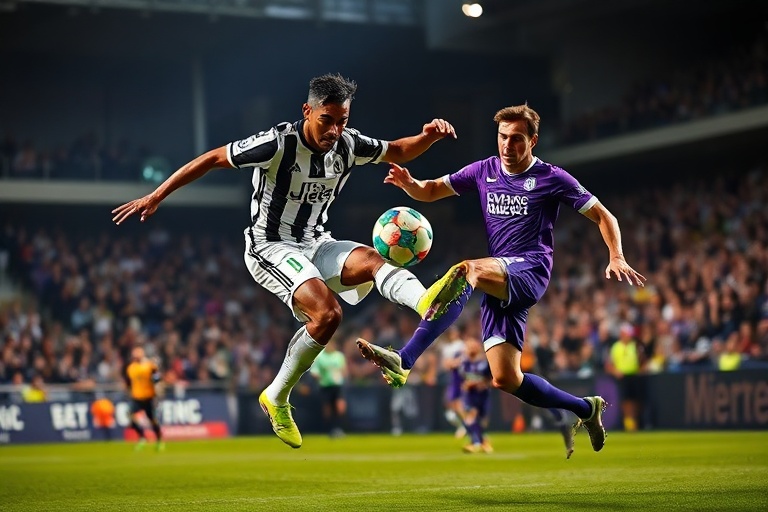
Florence, by contrast, is a city of art, culture, and romance. The Tuscan capital’s identity is deeply tied to its Renaissance heritage, its winding medieval streets, and its bohemian spirit. Fiorentina, with its purple jerseys and aristocratic crest, has embodied this artistic flair. The club’s supporters, known for their creativity and passion, have turned the Stadio Artemio Franchi into a cauldron of emotion. This cultural divide extends beyond football, reflecting broader tensions between Italy’s industrial north and its historic, artistic heartlands.
Memorable Matches and Turning Points
Over the decades, Juventus and Fiorentina have produced some of the most dramatic and pivotal matches in Italian football. These games are etched into the memories of fans not just for their results, but for the stories they tell about resilience, controversy, and sheer drama. Below are some of the most iconic encounters between the two sides:
- 1981-82 Serie A Final Day: Juventus needed a win to secure the Scudetto, while Fiorentina needed a draw to avoid relegation. In a tense match, Juventus won 1-0, sparking celebrations in Turin and despair in Florence. The result cemented Juventus’ dominance and sent Fiorentina into a period of instability.
- 1995-96 Coppa Italia Final: A two-legged tie ended in a 3-1 aggregate victory for Fiorentina. The second leg, played in Florence, saw the Viola claim a famous 2-0 win, with goals from Batistuta and Amoruso. This triumph remains one of Fiorentina’s most celebrated achievements in the post-war era.
- 2000-01 Serie A: Fiorentina, then in Serie B, stunned Juventus with a 3-2 victory in Florence. The match was a symbolic moment, as Fiorentina returned to Serie A with a statement win against the league’s most successful club.
- 2012-13 Coppa Italia Final: Juventus defeated Fiorentina 1-0 in a tightly contested final, with Vidal scoring the decisive penalty. The victory marked Juventus’ second consecutive Coppa Italia triumph, underscoring their resurgence under Antonio Conte.
These matches are more than just results; they are reflections of the shifting fortunes of both clubs and the emotional rollercoasters that define their rivalry. Whether it’s Juventus asserting their dominance or Fiorentina pulling off an upset, these encounters capture the essence of Italian football’s unpredictability and passion.
The Modern Era: Rivalry in the Shadow of Decline
The past two decades have seen Juventus and Fiorentina navigate vastly different trajectories. Juventus, under the stewardship of the Agnelli family and managers like Massimiliano Allegri and Antonio Conte, has maintained its status as Serie A’s most consistent force. Their nine consecutive Scudetti from 2011 to 2020 reaffirmed their place at the top of Italian football, even as questions about financial fair play and squad depth persisted.
Fiorentina, meanwhile, has struggled to recapture its former glory. Financial difficulties in the early 2000s led to a decline that saw the club relegated to Serie B in 2002. Though they returned to the top flight the following season, their inability to challenge for major trophies has been a source of frustration for their passionate fanbase. The appointment of Vincenzo Montella in 2012 reignited hopes, but financial constraints have continued to hamper their ambitions. Despite this, Fiorentina remains a club with a global appeal, thanks to its iconic purple kits and a legacy of nurturing talent like Roberto Baggio and Gabriel Batistuta.
The modern rivalry, therefore, is tinged with a sense of asymmetry. Juventus’ dominance has overshadowed Fiorentina’s struggles, but the intensity of their meetings ensures that the passion remains undimmed. When the two sides meet, it is not just about three points; it is about pride, history, and the enduring legacy of Italian football’s most romantic rivalry.
Why This Rivalry Matters Beyond the Pitch
The Juventus-Fiorentina rivalry is a microcosm of Italy’s broader cultural and social dynamics. It reflects the country’s regional divides, its economic disparities, and its enduring love for football as a unifying force. For Juventus, the rivalry is a reminder of their responsibility as the league’s most successful club—a role that comes with both admiration and scrutiny. For Fiorentina, it is a source of motivation, a chance to prove that passion and creativity can triumph over financial constraints.
Globally, this rivalry also offers a window into Italy’s footballing identity. While clubs like AC Milan and Inter dominate the narrative of Italian football abroad, Juventus and Fiorentina represent the soul of Serie A. Their matches are a reminder that football in Italy is not just about trophies; it is about history, culture, and identity. For fans around the world, these encounters are a chance to witness the beauty of Italian football in its purest form.
As Serie A continues to evolve, with the influx of foreign investment and the challenge of adapting to modern football’s demands, the Juventus-Fiorentina rivalry remains a constant. It is a testament to the enduring power of football to captivate, divide, and unite. Whether in a packed Stadio Olimpico or on screens across the globe, the clash between the Old Lady and the Viola is an event that transcends sport, offering a glimpse into the heart of Italian culture.
For those who love football, these matches are a reminder of why the beautiful game is so deeply cherished. For those who understand Italy’s complex tapestry, they are a celebration of a rivalry that is as much about culture and history as it is about football.