NBA MVP Race: Global Stars, Historic Moments, and Cultural Impact
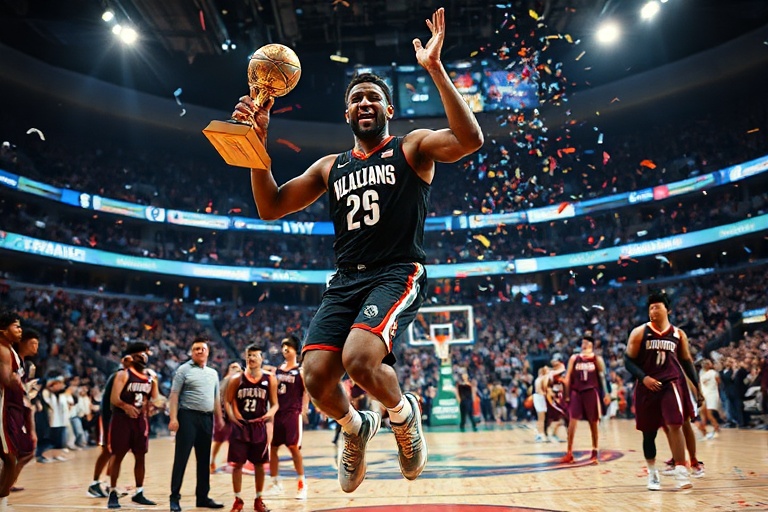
The NBA Most Valuable Player (MVP) award stands as the pinnacle of individual achievement in basketball, a title that transcends borders and unites fans worldwide. Unlike any other accolade in sports, the MVP isn’t merely about statistics—it’s a reflection of influence, leadership, and the ability to elevate a team’s performance when it matters most. This year’s race is no exception, featuring a mix of established superstars and rising talents from across the globe.
Basketball’s globalization has transformed the MVP conversation into a truly international affair. Players from Europe, Africa, and beyond now dominate the narrative, challenging the traditional dominance of American-born athletes. The league’s international footprint continues to grow, with franchises scouting talent from every corner of the planet, and the MVP award has become a symbol of this shift.
The Changing Face of MVP Contenders
For decades, the MVP conversation was largely dominated by big men and high-scoring guards from the United States. Names like Kareem Abdul-Jabbar, Magic Johnson, Michael Jordan, and LeBron James became synonymous with the award. However, the modern era has introduced a new dynamic, with players from diverse backgrounds redefining what it means to be the league’s most valuable asset.
Consider the 2023-24 season, where the MVP race features a dynamic mix of talent. Giannis Antetokounmpo, the reigning two-time MVP, continues to defy expectations with his relentless work ethic and all-around dominance. Meanwhile, Luka Dončić of the Dallas Mavericks has solidified his place among the league’s elite, leading his team deep into the playoffs while averaging triple-doubles at an astonishing rate. On the other side of the globe, Victor Wembanyama of the San Antonio Spurs has captivated audiences with his unique blend of size, skill, and shot-blocking prowess, earning comparisons to legends of the game.
This international representation is not just a trend—it’s a testament to the NBA’s global expansion. According to the league, over 100 players from 40 different countries played in the NBA during the 2023-24 season. The MVP award, once an American-centric honor, now reflects the diversity of a sport that has become a global phenomenon.
Cultural Impact: How MVP Winners Shape the Game
The NBA MVP award does more than recognize individual greatness; it influences the game itself. Winners often set trends in playing style, training regimens, and even fashion. Michael Jordan’s iconic performances in the 1990s popularized the sneaker culture that remains a cornerstone of basketball fandom. Meanwhile, Steve Nash’s back-to-back MVPs in the mid-2000s highlighted the growing importance of playmaking and efficiency, a shift that continues to shape modern basketball.
Today, players like Nikola Jokić of Serbia and Joel Embiid of Cameroon are not only dominating on the court but also inspiring a new generation of athletes from their respective countries. Jokić, the 2021 and 2022 MVP, has become a symbol of grit and determination for young players in Europe, proving that players from smaller markets can achieve the highest levels of success. Embiid, meanwhile, has become a cultural icon in Cameroon, where basketball is rapidly growing in popularity.
Beyond their on-court contributions, MVP winners often become global ambassadors for the sport. LeBron James, for instance, has used his platform to advocate for social justice, education, and community development, both in the U.S. and abroad. His activism has elevated the NBA’s profile as a league that values more than just athletic prowess, resonating with fans who see basketball as a vehicle for change.
The Global Fan Experience
The NBA’s international appeal is further amplified by the way fans engage with the MVP race. Social media platforms like Twitter and Instagram have turned the award into a year-round conversation, with fans from Tokyo to Toronto debating the merits of their favorite players. The league’s streaming partnerships, including those with Sports networks and platforms like DAZN, have made games and highlights accessible to audiences worldwide.
This global engagement has also led to unique cultural intersections. For example, the NBA’s presence in China has turned players like Yao Ming into household names, while European stars like Luka Dončić have become heroes in their home countries. The MVP award, therefore, is not just a personal accolade—it’s a cultural bridge that connects fans across continents.
What It Takes to Win: The Modern MVP Criteria
The criteria for winning the MVP award have evolved alongside the game itself. While traditional metrics like points, rebounds, and assists remain important, modern evaluators also consider advanced analytics, clutch performances, and leadership. The rise of metrics like Player Efficiency Rating (PER), Win Shares, and Box Plus/Minus has added layers of complexity to the debate.
For example, in the 2022-23 season, Joel Embiid won the MVP despite playing for a Philadelphia 76ers team that struggled with injuries. His ability to dominate games single-handedly, combined with his efficiency and durability, swayed voters who prioritized individual impact over team success. This shift reflects a broader trend in sports, where the value of a player is increasingly measured by their ability to elevate the performance of those around them.
The MVP race also highlights the importance of longevity and consistency. Players like LeBron James and Kevin Durant have maintained elite production well into their 30s, defying the conventional wisdom that athletes peak in their late 20s. Meanwhile, younger stars like Jokić and Dončić are redefining what it means to be a franchise player, blending skill, basketball IQ, and versatility in ways that were once thought impossible.
The Role of Media and Voting in the MVP Debate
The MVP award is not without its controversies. The voting process, which relies on a panel of sportswriters and broadcasters, has faced criticism for being subjective and prone to bias. For instance, voters often prioritize players on winning teams, leading to debates about whether the award truly reflects individual value or team success. In 2017, Russell Westbrook won the MVP despite the Oklahoma City Thunder missing the playoffs, sparking discussions about the criteria for the award.
Media coverage also plays a significant role in shaping the narrative around MVP candidates. Networks like ESPN and TNT dedicate hours of programming to analyzing the race, while podcasts and YouTube channels dissect every aspect of a player’s performance. This scrutiny can elevate certain players while overshadowing others, adding another layer of complexity to the MVP conversation.
Looking Ahead: The Future of the MVP Award
As the NBA continues to expand globally, the MVP award will likely reflect an even broader range of talent. The league’s investment in international academies and grassroots programs is producing a new wave of players who could soon join the MVP conversation. Players like Victor Wembanyama, Chet Holmgren, and Scoot Henderson represent the next generation of stars, each bringing a unique skill set to the game.
The evolution of the MVP award also mirrors the broader changes in basketball. The game is becoming faster, more versatile, and more globally connected than ever before. Players are expected to be ambidextrous scorers, elite playmakers, and lockdown defenders—all while maintaining the stamina to play 82 games in a season. In this environment, the MVP award will continue to honor those who not only excel in these areas but also inspire the next generation of athletes.
For fans, the MVP race is more than just a competition—it’s a celebration of the game’s diversity, innovation, and global reach. Whether it’s a towering center from France, a crafty guard from Slovenia, or a dominant force from the U.S., the MVP award reminds us that basketball is a universal language, spoken in every corner of the world.
Final Thoughts
The NBA MVP award is more than a trophy; it’s a reflection of the league’s past, present, and future. From the dominance of American legends to the rise of international stars, the award has evolved alongside the game itself. As basketball continues to grow globally, the MVP race will remain a focal point for fans, players, and analysts alike, offering a glimpse into the ever-changing landscape of the sport.
For those who follow the NBA, the MVP debate is a year-round conversation, filled with drama, analysis, and no shortage of surprises. And as the league expands its reach, the award will continue to honor those who embody the spirit of excellence, both on and off the court.