Panda Fest Boston Celebrates Asian Culture and Community
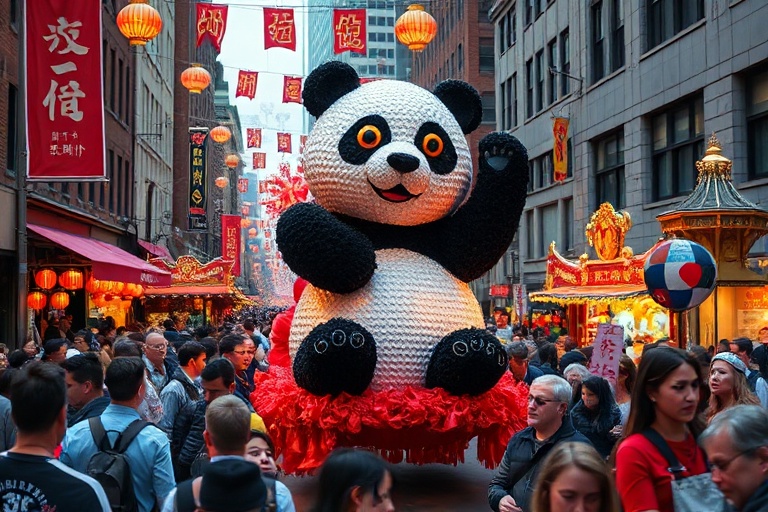
Boston’s Chinatown district transforms each summer into a vibrant hub of cultural exchange, food, and entertainment during Panda Fest. Now in its seventh year, this annual festival has grown from a small community gathering into one of the city’s most anticipated events, drawing thousands of attendees from across New England. Unlike typical street fairs, Panda Fest blends traditional and contemporary Asian American experiences, offering something for every generation.
The festival’s name pays homage to the giant panda, a symbol often associated with China and conservation efforts. Yet organizers emphasize that the event transcends any single nationality. “Panda Fest is about Asian American identity, not just Chinese culture,” says festival co-founder Mei Lin. “We want to celebrate all voices—Korean, Vietnamese, Filipino, Japanese, and beyond—while honoring our shared histories.” This inclusive approach has helped the festival resonate deeply within Boston’s diverse Asian American community.
The Evolution of a Community Institution
What began as a modest block party in 2017 has evolved into a three-day festival featuring over 100 vendors, live performances, and interactive workshops. The event’s growth mirrors broader changes in Boston’s Chinatown, which has faced pressures from gentrification and rising rents. Panda Fest has become a vital platform for local businesses, artists, and activists to showcase their work and advocate for community preservation.
One standout feature is the festival’s commitment to supporting minority-owned enterprises. A 2023 economic impact report found that Panda Fest contributed over $2.1 million to local businesses during the weekend alone. “This isn’t just a party—it’s economic solidarity,” explains organizer Javier Reyes, whose family runs a longstanding Vietnamese bakery in the neighborhood. “Every dollar spent at Panda Fest strengthens our collective ability to stay in Boston.”
Notable vendors from past years include:
- Golden Gate Bakery – Famous for its pineapple coconut cakes and longevity buns.
- Double Dragon Noodle House – A family-run spot serving hand-pulled lamian noodles.
- Chinatown Bookstore – Offering rare titles in Chinese, Vietnamese, and English.
- Boston Asian American Film Collective – Screening independent films by local creators.
A Stage for Art, Music, and Activism
The festival’s performance lineup reflects the diversity of Boston’s Asian diaspora. Past headliners have included:
- Yoko Noge – A Japanese folk singer blending traditional shamisen with indie rock.
- Bodega Poets Collective – Spoken word artists exploring identity and migration.
- Digeridoo Dan – A self-taught musician fusing Aboriginal Australian instruments with hip-hop.
- Mandarin-speaking stand-up comics – Performing bilingual routines for multilingual audiences.
Beyond entertainment, Panda Fest has become a space for dialogue on social justice. Workshops in past years have addressed topics like “Asian Americans in the Climate Movement” and “Building Intergenerational Solidarity in Chinatown.” These sessions highlight the festival’s role as both a cultural and civic platform. “Artists and activists aren’t separate here,” notes local muralist Priya Vasquez. “Our work is part of the same conversation about belonging.”
The festival’s visual identity—created in collaboration with the Boston Asian American Artists Alliance—often features bold murals and projections on the facade of the Pao Arts Center. These installations change yearly, responding to current events and community priorities. In 2022, a piece titled “Unbroken Roots” depicted the history of Chinatown through hand-painted bamboo motifs, symbolizing resilience.
Challenges and the Path Forward
Despite its success, Panda Fest faces ongoing challenges. Rising security and vendor fees have forced organizers to seek additional sponsors each year. “We’re lucky to have partners like the Greater Boston Asian American Chamber of Commerce, but the financial pressure is real,” says Lin. “We’re constantly balancing authenticity with sustainability.”
Another hurdle is audience accessibility. While the festival is free, many attendees rely on public transit, and Chinatown’s limited parking makes attendance difficult for suburban visitors. Organizers have responded by partnering with the MBTA to extend late-night service on festival weekends and offering discounted rideshares for low-income participants.
Looking ahead, the festival’s leadership is focused on three priorities: deepening youth engagement, expanding digital outreach, and strengthening ties with Black and Latinx communities in Boston. “We want Panda Fest to be a model for cross-cultural solidarity,” says Reyes. “Because Chinatown doesn’t exist in isolation—our struggles and triumphs are connected.”
Why Panda Fest Matters Beyond Boston
Panda Fest’s model has inspired similar events in Philadelphia, Washington D.C., and even smaller cities like Providence. Its emphasis on cultural preservation, economic justice, and intergenerational exchange offers a blueprint for other immigrant communities facing displacement. “We’re not just throwing a party,” says Lin. “We’re building infrastructure for the next generation.”
The festival also serves as a counter-narrative to stereotypes about Asian Americans as a “model minority.” Through its programming—from workshops on labor organizing to panels on mental health in immigrant families—Panda Fest challenges monolithic portrayals. “We’re here to complicate the conversation,” explains Vasquez. “Our stories aren’t just about food and festivals. They’re about survival, creativity, and resistance.”
As Boston’s Chinatown continues to evolve, Panda Fest remains a vital touchstone. It’s a reminder that cultural celebrations aren’t just about the past; they’re about shaping the future. Whether through a steaming bowl of pho, a powerful spoken-word performance, or a conversation about affordable housing, the festival proves that culture is both celebration and strategy.
For those who’ve never attended, Panda Fest offers an invitation: to eat, to listen, to learn, and to stand together. As the organizers like to say, “The panda isn’t just a symbol. It’s a promise—to protect, to nourish, and to endure.”