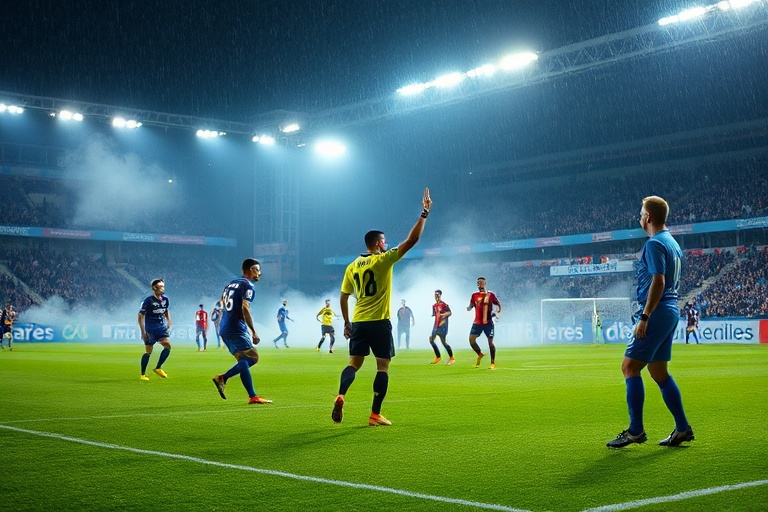
Football fans in Spain know that matches between lower-league sides often produce some of the most intense and emotional contests. Few fixtures embody this spirit more than the clashes between Real Oviedo and Deportivo Alavés. These two clubs, separated by geography and history, share a common thread: the relentless pursuit of excellence despite limited resources.
The rivalry between Real Oviedo and Alavés stretches back decades, though it has never reached the heights of Spain’s most famous derbies. What makes these encounters so compelling isn’t just the competition on the pitch—it’s the stories of resilience, ambition, and the sheer unpredictability that lower-division football often delivers.
Histories Intertwined: How Oviedo and Alavés Defied Expectations
Real Oviedo, founded in 1926, spent much of the late 20th century as a Segunda División stalwart, with brief forays into La Liga during the 1990s. Their most celebrated era came in the early ’90s under manager Javier Irureta, when they briefly challenged for European football before financial difficulties forced them into administration. The club’s recovery has been slow but steady, marked by passionate fan support and a commitment to developing local talent.
Alavés, on the other hand, is a club that has repeatedly punched above its weight. Founded in 1921 in Vitoria-Gasteiz, the Basque side spent years in the lower divisions before a meteoric rise in the late 1990s. Their crowning achievement came in 2001, when they reached the UEFA Cup final under the guidance of José Manuel Esnal, narrowly losing to Liverpool in a dramatic extra-time defeat. Though they have since yo-yoed between La Liga and the Segunda División, Alavés remains a club defined by its fighting spirit.
When these two sides meet, they do so as clubs with contrasting fortunes but shared philosophies. Both have endured financial struggles, administrative overhauls, and the constant challenge of maintaining relevance in a sport dominated by wealthier teams.
The Tactical Battle: How Lower-League Football Forces Creativity
Matches between Real Oviedo and Alavés are rarely about tactical masterclasses in the traditional sense. Instead, they showcase how lower-league teams adapt to survive. Managers on both sides often prioritize physicality, set-piece efficiency, and defensive organization over elaborate possession-based systems.
In recent years, Real Oviedo has favored a pragmatic 4-4-2 formation, relying on quick transitions and direct play to exploit gaps in opposition defenses. Their midfield duo often consists of a mix of experienced campaigners and hungry youngsters, creating a balance between guile and work rate. Alavés, meanwhile, has experimented with a 3-5-2 system under some managers, utilizing wing-backs to stretch play and create overloads in wide areas.
One key tactical trend in these fixtures is the importance of set pieces. Both teams have developed reputations for being dangerous from dead-ball situations, with Alavés particularly adept at exploiting aerial dominance. Real Oviedo, meanwhile, has cultivated a reputation for disciplined defending and rapid counterattacks, often catching opponents off guard with swift transitions.
The mental aspect of these matches cannot be overstated. With promotion or survival often hanging in the balance, players are acutely aware of the stakes. Mistakes are punished ruthlessly, and moments of individual brilliance can decide games in an instant.
Fan Culture: The Heartbeat of Oviedo and Alavés
Football is as much about the fans as it is about the players, and both Real Oviedo and Alavés boast some of the most passionate supporters in Spanish football. Real Oviedo’s Estadio Carlos Tartiere, though not the largest ground in Spain, is renowned for its electric atmosphere during big matches. The club’s ultras, known for their choreographed displays and unwavering loyalty, ensure that every home game feels like a festival of noise and color.
Alavés, too, has a fiercely devoted fanbase. Their stadium, Mendizorrotza, is a cauldron of noise on matchdays, with supporters creating an intimidating environment for visiting teams. The club’s ultras have a reputation for their creative tifos and vocal support, often traveling in large numbers to away games to back their team.
When these two sets of fans collide, the result is a spectacle that transcends the football itself. Chants echo through the stands, rival scarves are waved defiantly, and the passion on display serves as a reminder of why football in the lower leagues is so special.
Key Matches and Memorable Moments
Over the years, Real Oviedo and Alavés have produced several unforgettable encounters. One of the most memorable came in the 2016-17 Segunda División season, when Alavés secured a crucial 2-1 victory at Carlos Tartiere. The match was tightly contested, with both teams creating chances but ultimately falling to defensive errors that decided the outcome.
Another standout fixture took place in the 2019-20 Copa del Rey, where Real Oviedo stunned Alavés with a 2-1 upset in the first round. The result was a testament to Oviedo’s resilience, as they held off a late Alavés surge to progress to the next stage. The victory was celebrated wildly by Oviedo fans, who saw it as a statement of intent against their more illustrious rivals.
These matches are often defined by moments of individual brilliance. Whether it’s a last-ditch tackle, a pinpoint cross, or a thunderous strike from distance, the players know that every action could be the difference between victory and defeat.
What the Future Holds for Both Clubs
Looking ahead, both Real Oviedo and Alavés face significant challenges. For Oviedo, the goal is clear: return to La Liga and restore the club to its former glory. Their recent investment in youth development and infrastructure suggests a long-term vision, but the path is fraught with competition from wealthier clubs.
Alavés, meanwhile, continues to navigate the turbulent waters of Spanish football’s second tier. The club has flirted with promotion on multiple occasions but has struggled to maintain consistency. Their recent financial restructuring and focus on sustainable growth could be the key to ending their yo-yoing between divisions.
One thing is certain: whenever Real Oviedo and Alavés meet, football fans are in for a treat. These matches are a reminder that football isn’t just about the glamour of La Liga or the riches of Europe—it’s about passion, perseverance, and the sheer unpredictability of the beautiful game.
As both clubs continue their journeys, their rivalry remains a testament to the enduring appeal of Spanish football’s underdogs. Whether it’s a league clash or a cup upset, these fixtures are always worth watching.