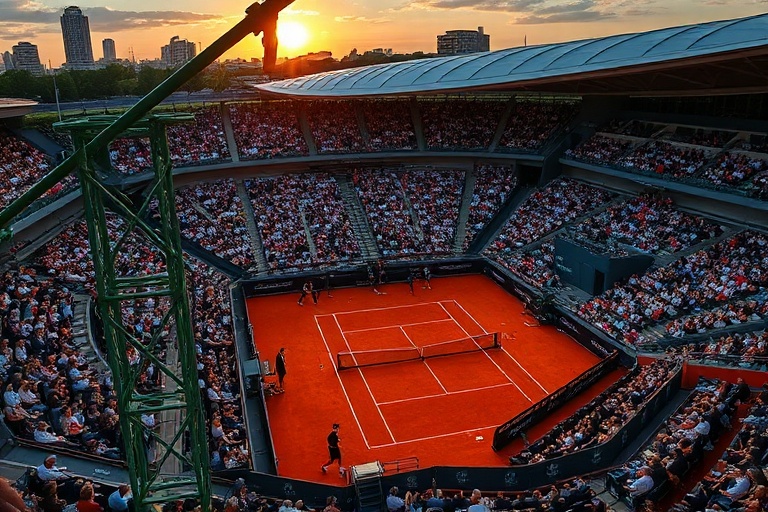
Roland Garros 2026: A Preview of Tennis’ Next Grand Slam Showdown
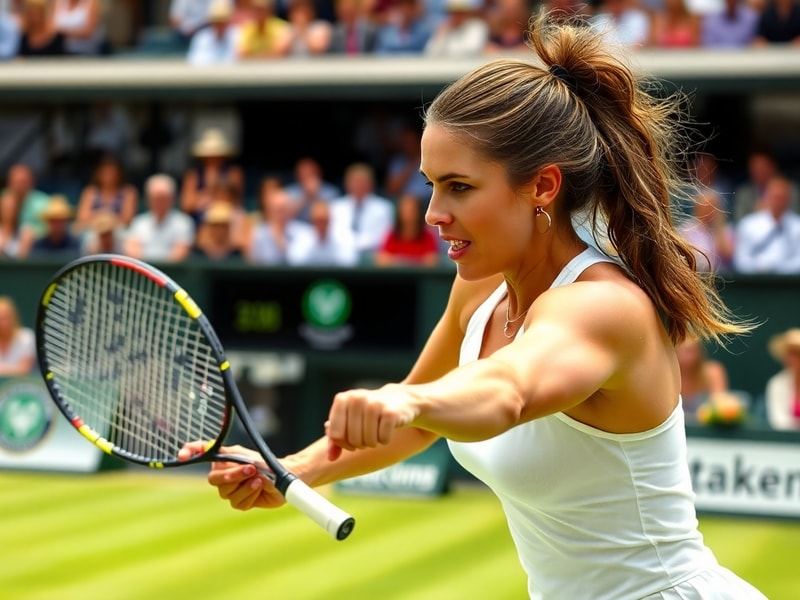
As the clay courts of Roland Garros prepare to once again host the world’s finest tennis players, anticipation builds for the 2026 edition of the French Open. Scheduled for late May to early June, the tournament remains the only Grand Slam played on red clay, a surface that demands endurance, strategy, and mental resilience. With the 2025 season already shaping up to be unpredictable, the 2026 edition could introduce new narratives, rising stars, and potential upsets.
The French Open has long been a proving ground for champions, where careers are defined and legacies are cemented. Unlike the hard courts of the Australian Open or the grass of Wimbledon, clay slows the ball and rewards precision, patience, and tactical play. This unique challenge makes Roland Garros a crucible for tennis excellence, where even the most dominant players can falter under the pressure of a five-set marathon.
Key Storylines to Watch in 2026
The 2026 tournament will unfold against a backdrop of evolving player dynamics and shifting power structures in professional tennis. Several narratives are already taking shape:
- Novak Djokovic’s Legacy: At 39 years old in 2026, Djokovic’s pursuit of a record 25th Grand Slam title will dominate discussions. His ability to adapt to clay, combined with his unparalleled fitness, makes him a perpetual threat. Yet, the question lingers: can he sustain his dominance on a surface that has historically favored his rivals?
- Carlos Alcaraz’s Rise: The Spaniard has already claimed his first French Open title in 2024, but 2026 could mark the beginning of a dynasty. His aggressive baseline game and exceptional athleticism make him a natural fit for clay. If he can refine his serve and net play, Alcaraz may become the first man since Rafael Nadal to dominate Roland Garros.
- The Next Generation: Players like Jannik Sinner, Daniil Medvedev, and Holger Rune are poised to challenge the established order. Their powerful games, which thrive on hard courts and grass, may need adjustments to conquer the red dirt. Yet, the French Open has a history of springing surprises, as seen with the breakthroughs of Casper Ruud and Stefanos Tsitsipas in recent years.
- Women’s Field Dynamics: Iga Świątek, the reigning champion in 2024, will enter 2026 as the player to beat. Her combination of topspin forehands and relentless movement has made her nearly unbeatable on clay. However, rising stars like Coco Gauff and Aryna Sabalenka are hungry for their first French Open title and could disrupt Świątek’s dominance.
The Broader Implications of Roland Garros 2026
The French Open is more than just a tennis tournament; it is a cultural touchstone that transcends the sport. For fans, it represents the unofficial start of the European clay-court swing, a stretch of the season where strategy and stamina are as important as raw power. For players, it offers a chance to etch their names into tennis history alongside legends like Björn Borg, Chris Evert, and Justine Henin.
Beyond the court, Roland Garros 2026 will reflect broader trends in tennis. The sport’s governing bodies are increasingly focused on sustainability, with the French Tennis Federation committing to reducing the tournament’s environmental footprint. This includes efforts to minimize waste, promote renewable energy, and encourage eco-friendly transportation for players and spectators. Such initiatives could set a new standard for future Grand Slams.
Additionally, the tournament’s global appeal continues to grow. The French Open attracts a diverse audience, with fans traveling from across Europe, Asia, and the Americas to witness the drama on Philippe Chatrier Court. The 2026 edition will likely see an even greater international presence, particularly from regions where tennis is gaining popularity, such as China and India.
What Fans Can Expect from the 2026 Experience
Roland Garros is renowned for its intimate atmosphere, where spectators are separated from the action by mere meters. The tournament’s unique charm lies in its accessibility—fans can mingle with players, enjoy picnics on the grounds, and soak in the vibrant energy of the French sporting elite. For 2026, organizers have announced plans to enhance fan engagement, including expanded digital experiences and interactive exhibits.
The schedule remains unchanged, with the tournament spanning two weeks and culminating in the men’s and women’s finals. The clay surface will be meticulously maintained, ensuring consistent bounce and speed throughout the fortnight. Weather, always a factor in Paris, could introduce its own drama, with rain potentially delaying matches and altering the rhythm of play.
For those unable to attend, the French Open will once again be broadcast globally, with extensive coverage on networks like Tennis Channel, Eurosport, and Amazon Prime Video. Innovations in streaming technology may offer fans even more immersive viewing experiences, including multi-angle replays and real-time player analytics.
A Look Ahead to Tennis’ Future
Roland Garros 2026 will not only define careers but also shape the trajectory of professional tennis. The outcomes of the tournament could influence rankings, sponsorship deals, and the development of young talent. For instance, a breakthrough performance by a rising star might accelerate their rise to the top of the ATP or WTA tours, while a veteran’s triumph could redefine what it means to compete at the highest level.
The tournament also serves as a barometer for the sport’s evolving tactics. As players experiment with new training methods, equipment, and playing styles, Roland Garros becomes a testing ground for innovation. The 2026 edition may reveal whether the next generation of tennis stars will favor power over precision or whether the traditional clay-court virtues of patience and placement will prevail.
Ultimately, Roland Garros is a celebration of tennis in its purest form—a blend of artistry, athleticism, and drama. Whether you’re a lifelong fan or a casual observer, the 2026 French Open promises to deliver moments that will be remembered for years to come.
How to Follow Roland Garros 2026
For those eager to stay updated, the official Roland Garros website and app will provide real-time scores, player interviews, and behind-the-scenes content. Social media platforms like Twitter, Instagram, and TikTok will buzz with highlights, memes, and fan reactions. Additionally, platforms like Dave’s Locker Sports will offer in-depth analysis, player profiles, and expert commentary throughout the tournament.
For a deeper dive into the strategies and stories shaping tennis, explore Dave’s Locker Analysis, where our team breaks down the trends and tactics that define the sport.
Conclusion: A Tournament of Enduring Significance
Roland Garros 2026 stands as a testament to tennis’ ability to captivate and inspire. As the world’s top players converge on Paris, the stage is set for another chapter in the sport’s rich history. Whether it’s a historic milestone, a shocking upset, or a display of sheer brilliance, the French Open will once again remind us why it remains one of the most revered events in athletics.
The clay courts of Roland Garros have witnessed legends rise and fall, and 2026 will be no different. For players, it’s an opportunity to etch their names into history. For fans, it’s a chance to witness the beauty and unpredictability of tennis at its finest. And for the sport itself, it’s a reminder of why the French Open continues to hold a special place in the hearts of players and spectators alike.
As the countdown to the 2026 tournament begins, one thing is certain: Roland Garros will deliver drama, inspiration, and moments that transcend the game.