Derby della Capitale: The Historic Rivalry Between AS Roma and SS Lazio
The Derby della Capitale is more than just a football match; it is a clash of cultures, histories, and identities that defines a city. AS Roma and SS Lazio, the two giants of Rome, face each other twice a year in one of European football’s most intense rivalries. This fixture transcends sport, reflecting the social and political divides that have shaped Italy’s capital for over a century.
Roma, founded in 1927 through a merger of three clubs, was created to unite the city under a single banner. Its fanbase traditionally draws from working-class neighborhoods and embodies the spirit of inclusivity. Lazio, established in 1898, is the older of the two and has roots in Rome’s upper-class and military traditions. These contrasting origins continue to influence the clubs’ identities and their respective supporter cultures today.
The Origins of a Rivalry: More Than Just Football
The rivalry between Roma and Lazio is deeply embedded in the social fabric of Rome. It reflects historical tensions between different classes and political ideologies. Lazio, with its early ties to Rome’s bourgeoisie and Fascist-era legacy, has often been associated with right-wing politics. Roma, in contrast, has historically attracted left-leaning and working-class supporters, making the derby a microcosm of Rome’s urban divide.
The first official derby took place in 1929, and since then, the fixture has grown into one of football’s most charged atmospheres. Unlike rivalries based solely on geography or success, this one is rooted in identity. Fans don’t just support a team—they embody a way of life. This cultural depth sets the Derby della Capitale apart from other football rivalries around the world.
In Italy, football is often a reflection of society, and nowhere is this more evident than in Rome. The derby is a stage where local pride, politics, and passion collide. It’s a spectacle watched by millions, not just in Italy but globally, drawing comparisons to other historic rivalries such as the Old Firm in Scotland or the Istanbul derbies in Turkey.
Key Moments That Define the Derby
The history of the Roma-Lazio derby is filled with unforgettable moments that have cemented its place in football lore. One of the earliest highlights came in 1934, when Lazio won 5-0, a result that still stands as one of the biggest derby victories. Decades later, in 1979, Roma secured a 3-0 win at the Stadio Olimpico, sparking wild celebrations among their supporters.
In 1998, the derby took a dramatic turn when Lazio forward Alessandro Nesta scored a last-minute winner, silencing the Roma faithful. The match is remembered not just for the goal, but for the sheer intensity of the moment—a microcosm of the derby’s unpredictable nature.
More recently, the 2017 derby saw Lazio come from behind to win 4-2, with Ciro Immobile scoring a hat-trick. That match highlighted the attacking flair that often defines these encounters, where goals flow freely and emotions run high.
Over the years, the derby has also been a stage for controversy. From crowd incidents to political banners, the matches have occasionally overshadowed the football. In 2004, a Lazio fan threw a firecracker onto the pitch, leading to a brief suspension of the match. Such moments underscore the fine line between passion and peril that defines this fixture.
Global Appeal and Cultural Impact
The Derby della Capitale is not just a local phenomenon; it has a global following. Football fans from Tokyo to Toronto tune in to watch the match, drawn by its raw emotion and cultural significance. The rivalry has been featured in documentaries, books, and even art installations, further cementing its place in the broader cultural landscape.
For many international fans, the derby represents the essence of Italian football—tactical sophistication mixed with unbridled passion. It’s a reminder that football is not just about trophies and statistics, but about community, identity, and history.
The global appeal of the derby has also influenced how Italian football is perceived abroad. Clubs like Roma and Lazio are seen as ambassadors of Serie A, showcasing the league’s blend of tactical discipline and emotional intensity. This perception has helped attract international talent and global sponsors, further elevating the status of the Derby della Capitale.
In an era where football is increasingly commercialized, the Roma-Lazio rivalry remains a rare bastion of authenticity. It’s a reminder of a time when football was deeply connected to the communities it served—a connection that continues to resonate with fans worldwide.
What Makes the Derby Unique?
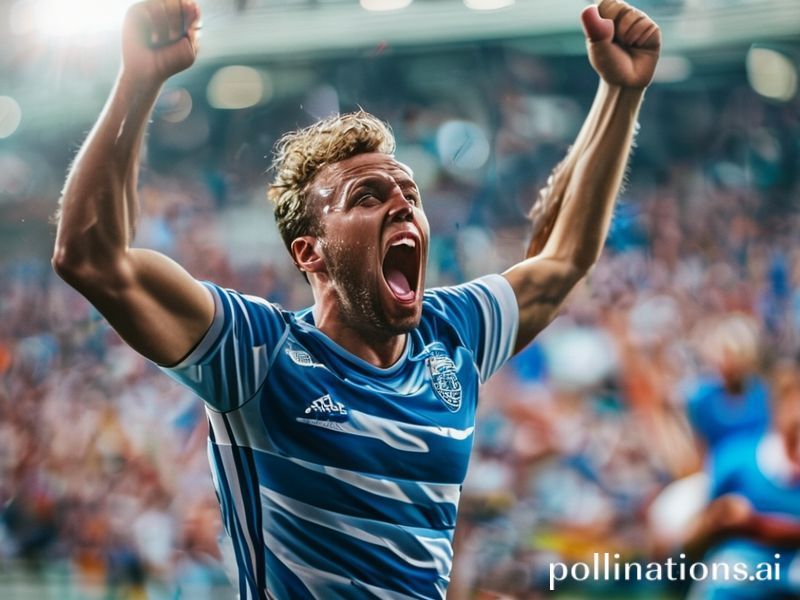
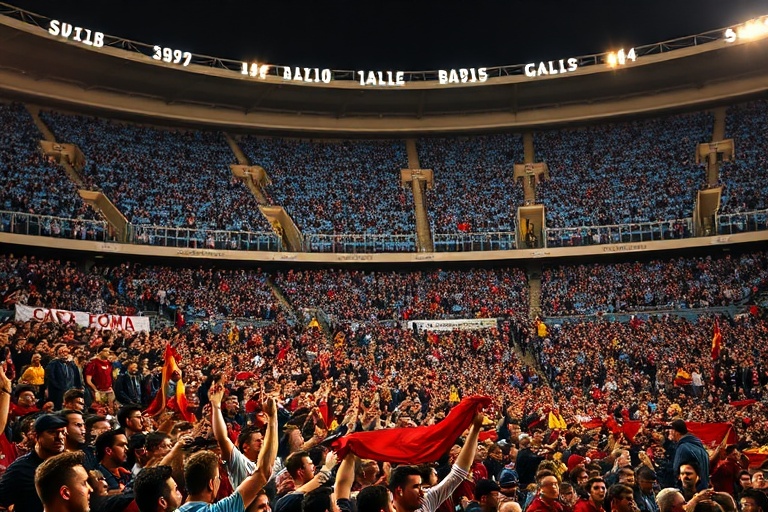
The Derby della Capitale stands out for several reasons. First, the intensity of the atmosphere is unmatched. The Stadio Olimpico, the shared home of both clubs, transforms into a cauldron of noise and color. The Curva Sud, Roma’s fan section, and the Curva Nord, Lazio’s equivalent, create a spectacle that is as much about choreography as it is about football.
Second, the derby is a reflection of Rome itself. The city’s rich history, from the ancient Roman Empire to the modern metropolis, is mirrored in the clubs’ identities. Roma’s symbol, the she-wolf, and Lazio’s eagle both pay homage to the city’s past, while the clubs themselves represent its present and future.
Finally, the derby is a testament to the power of football as a unifying force. Despite the rivalry, both sets of fans share a deep love for the game and the city they call home. In a world often divided by politics and class, the Derby della Capitale offers a rare moment of collective passion and pride.
The Future of the Rivalry
As football evolves, so too does the Derby della Capitale. The rise of social media has amplified the rivalry’s global reach, with fans from around the world engaging in debates and discussions online. The clubs themselves have embraced this digital age, using platforms like Twitter and Instagram to connect with supporters and grow their international fanbase.
On the pitch, the rivalry continues to produce thrilling encounters. With young talents emerging from both academies and established stars joining the ranks, the derby remains unpredictable and exciting. The next generation of players will carry forward the legacy of this historic fixture, ensuring that the Derby della Capitale remains a cornerstone of football culture.
For fans old and new, the Derby della Capitale is more than just a match—it’s a tradition, a celebration, and a testament to the power of football. As long as AS Roma and SS Lazio take to the field, the world will watch, because this is one rivalry that transcends sport.
Whether you’re a football purist, a cultural enthusiast, or simply someone who appreciates the beauty of a well-fought match, the Derby della Capitale has something for everyone. It’s a reminder that football is more than a game; it’s a story of passion, pride, and identity.
For those looking to dive deeper into the world of Italian football, Sports offers a wealth of articles and insights. Explore the history, tactics, and cultural significance of Serie A and beyond.