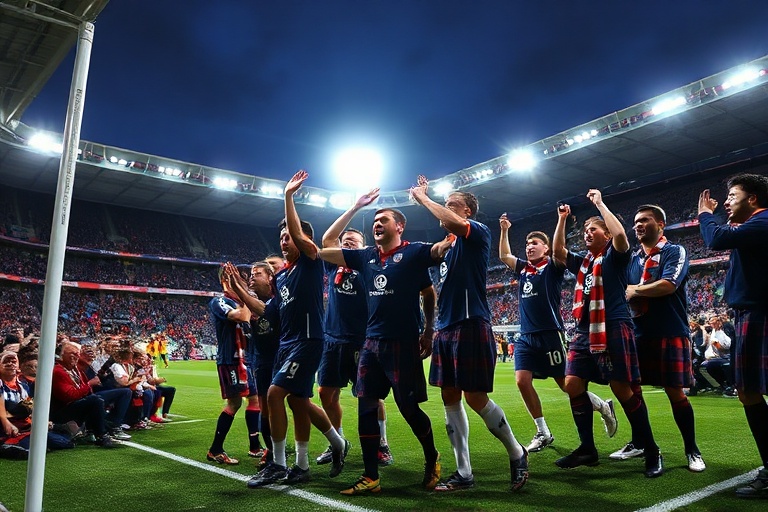
The Scotland national football team represents more than just a sporting entity; it embodies the spirit of a nation that has, against the odds, carved out a unique identity in the global football landscape. With a history stretching back to 1872—the year of the world’s first official international football match—the Tartan Army, as its supporters are affectionately known, has become synonymous with loyalty, resilience, and an unyielding love for the game.
Scotland’s football journey has been one of highs and lows, marked by moments of brilliance that have left an indelible mark on the sport. While the team has often struggled to qualify for major tournaments in recent decades, its influence on football culture and its global fanbase remains undeniable. This article explores the team’s history, its cultural significance, and the challenges it continues to face in the modern era.
A Historical Perspective: From Pioneers to Underdogs
Scotland’s place in football history is cemented by its role as a pioneer. The national team played in the first-ever international football match, a 0-0 draw against England at the West of Scotland Cricket Ground in Partick, Glasgow. This historic fixture set the stage for the development of the sport, with Scotland contributing to the spread of football’s rules and ethos across the globe.
During the late 19th and early 20th centuries, Scotland was a dominant force in international football. The team’s style of play, characterized by its technical skill and attacking prowess, earned it a reputation as one of the finest in the world. The 1920s and 1930s saw Scotland regularly competing at the highest level, with notable victories against strong European opponents.
However, the post-war era marked a shift in fortunes. While Scotland continued to produce talented players, the team struggled to replicate its earlier successes. The introduction of competitive international tournaments, such as the European Championships and the World Cup, presented new challenges. Despite moments of promise, including a memorable 1978 World Cup campaign and a 1998 World Cup qualification under Craig Brown, Scotland’s inability to progress beyond the group stage in major tournaments became a recurring theme.
Key Milestones in Scotland’s Football History
- 1872: Scotland plays England in the first official international football match.
- 1928: Scotland wins the British Home Championship with a 5-1 victory over England at Wembley.
- 1978: Scotland qualifies for the World Cup in Argentina, marking its first appearance since 1958.
- 1998: Under manager Craig Brown, Scotland qualifies for the World Cup in France, its first major tournament in six years.
- 2020: Scotland qualifies for UEFA Euro 2020, its first major tournament since 2010, following a penalty shootout victory over Serbia in the playoffs.
The Tartan Army: A Global Phenomenon of Loyalty and Support
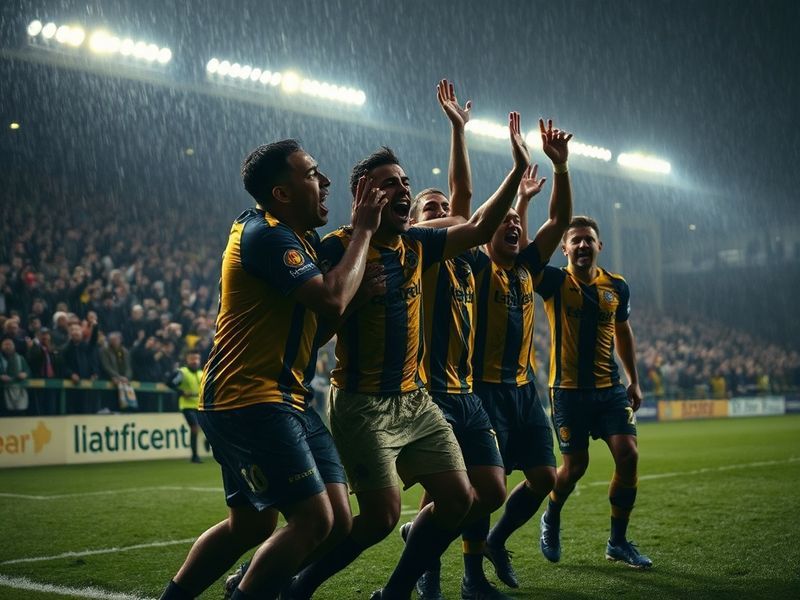
Few national football teams can boast a fanbase as passionate and dedicated as Scotland’s Tartan Army. Known for their unwavering support, colorful displays, and infectious enthusiasm, the Tartan Army has earned a reputation as one of the most beloved groups of football supporters in the world. Their presence at international tournaments, even in the face of disappointment on the pitch, is a testament to their loyalty.
The Tartan Army’s reputation extends beyond Scotland’s borders. Fans are known for their friendliness, good humor, and willingness to engage with supporters from other nations. Whether celebrating a goal or commiserating a defeat, the Tartan Army does so with a sense of camaraderie that has endeared it to football fans globally. Their chants, such as the iconic “Scotland the Brave,” and their vibrant displays of tartan and flags create an atmosphere that is both intimidating for opponents and inspiring for teammates.
In an era where football culture often revolves around club rivalries and commercial interests, the Tartan Army stands out for its focus on the national team. Their support is not contingent on success but is a celebration of identity and heritage. This unwavering dedication has helped Scotland maintain a presence in the global football consciousness, even during periods of underachievement.
Challenges and Aspirations: The Road Ahead for Scotland
Scotland’s footballing journey has been defined by its resilience in the face of adversity. Despite limited resources compared to football powerhouses, the national team has produced players who have excelled at the highest levels of club football in Europe. The challenge for Scotland now lies in translating this individual talent into collective success on the international stage.
One of the key issues facing the team is its inconsistent performances in competitive matches. Scotland has often struggled against stronger opponents, particularly in high-pressure situations. The team’s ability to grind out results, rather than rely on moments of brilliance, will be crucial in future campaigns. Manager Steve Clarke, who led Scotland to Euro 2020, has emphasized the importance of building a cohesive unit capable of competing with the best.
Another challenge is the development of homegrown talent. Historically, Scotland has produced world-class players such as Kenny Dalglish, Denis Law, and more recently, Andy Robertson and Scott McTominay. However, the pathway from youth development to international success remains fraught with obstacles. Clubs in Scotland’s domestic leagues often struggle to retain top talent, who are frequently lured to bigger clubs in England and beyond. Strengthening youth academies and providing better support for young players could help address this issue.
Scotland’s Path to Future Tournaments
- UEFA Nations League: Scotland’s performances in the UEFA Nations League have provided a platform to showcase its progress. A strong campaign could offer a pathway to qualification for major tournaments.
- Euro 2024: With qualification for UEFA Euro 2024 secured, Scotland will look to build on its Euro 2020 experience and compete against Europe’s elite.
- World Cup 2026: The expanded format of the 2026 World Cup offers Scotland an opportunity to qualify for the tournament for the first time since 1998.
The road ahead for Scotland is not without its obstacles, but the potential for growth and improvement is evident. The team’s recent performances, including a notable victory over Spain in Euro 2020, have demonstrated that Scotland is capable of competing with the best. The challenge now is to build on these moments and create a team that can consistently challenge for major honors.
Scotland’s Cultural Impact: Beyond the Pitch
Scotland’s influence on football extends beyond its national team. The country has produced legendary players who have left an indelible mark on the global game. From the flair of Denis Law to the leadership of Kenny Dalglish, Scottish footballers have contributed to the success of top clubs and national teams worldwide. This legacy continues today, with players like Andy Robertson and Scott McTominay representing Scotland with distinction.
Football in Scotland is also a reflection of the country’s broader cultural identity. The sport is deeply intertwined with Scotland’s history, traditions, and sense of community. Local derbies, such as the Old Firm match between Celtic and Rangers, are more than just football games; they are cultural events that capture the passion and division of Scottish society. The Tartan Army’s support, meanwhile, is a celebration of Scottish heritage, with tartan patterns, bagpipes, and folk music playing a prominent role in matchday atmospheres.
Scotland’s football culture has also had an impact on global football. The Scottish Football Association, founded in 1873, was one of the founding members of FIFA and played a key role in the development of the sport’s governing bodies. Scotland’s contribution to football’s early years is a reminder of the sport’s roots and the enduring influence of its pioneers.
“Scotland may not always be the most successful team on the pitch, but it is undoubtedly one of the most influential in terms of football culture. The passion of the Tartan Army and the legacy of Scottish players have left a lasting mark on the global game.”
As football continues to evolve in the 21st century, Scotland’s role in the sport remains significant. The national team’s journey is a reflection of the challenges and triumphs that define football at all levels. For the Tartan Army and millions of football fans around the world, the Scotland national team is more than just a team—it is a symbol of perseverance, identity, and the enduring power of the beautiful game.
Conclusion: The Future of Scottish Football
The Scotland national football team stands at a crossroads. With a rich history and a passionate fanbase, the team has the potential to achieve greater success in the years to come. The challenges are clear: developing a consistent approach, nurturing homegrown talent, and competing against Europe’s elite. However, the foundations for progress are already in place.
For the Tartan Army, the dream of seeing Scotland compete at the highest level of international football remains alive. The team’s journey is a reminder that success in football is not solely measured by trophies but by the passion, resilience, and pride that define the sport. As Scotland continues to write its footballing story, one thing is certain: the world will be watching.
For more insights into football and sports, explore our Sports category on Dave’s Locker.