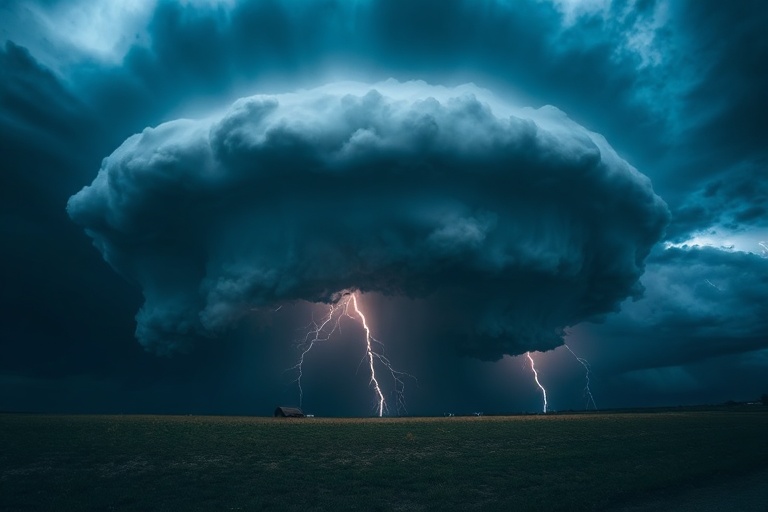
Severe weather events have become a defining feature of the 21st century, reshaping landscapes, economies, and human settlements across the globe. From the relentless monsoons in South Asia to the record-breaking heatwaves in North America, these phenomena are no longer isolated incidents but recurring challenges that demand attention. The increasing frequency and intensity of such events have prompted scientists, policymakers, and communities to rethink their approaches to preparedness and resilience.
In 2023 alone, the world witnessed over 387 natural disasters, according to the International Disaster Database. These events claimed nearly 30,000 lives and caused economic losses exceeding $280 billion. The human toll is staggering, but the ripple effects extend beyond immediate casualties. Infrastructure damage disrupts supply chains, displaces populations, and exacerbates inequalities, particularly in vulnerable regions.
The Science Behind Severe Weather
Severe weather is not a random occurrence but a result of complex atmospheric interactions. At its core, these events are driven by the Earth’s climate system, where heat, moisture, and wind converge in unpredictable ways. The warming of the planet, largely attributed to human activities, has intensified this volatility. Warmer air holds more moisture, leading to heavier rainfall and flooding. Meanwhile, shifting jet streams and ocean currents alter traditional weather patterns, creating conditions ripe for extreme events.
Meteorologists categorize severe weather into several types, each with distinct characteristics and triggers:
- Tropical Cyclones: These powerful storms, known as hurricanes, typhoons, or cyclones depending on the region, form over warm ocean waters. Warmer sea surface temperatures provide the energy needed for these systems to intensify rapidly. The 2023 Atlantic hurricane season, for example, saw 20 named storms, including seven major hurricanes.
- Heatwaves: Prolonged periods of excessively hot weather can have deadly consequences, particularly in urban areas where concrete and asphalt trap heat. The 2022 European heatwave resulted in over 60,000 excess deaths, according to a study published in The Lancet.
- Droughts: Extended dry periods devastate agriculture, deplete water resources, and trigger wildfires. The Horn of Africa, for instance, has endured five consecutive failed rainy seasons, leaving millions at risk of famine.
- Severe Thunderstorms: These include hailstorms, tornadoes, and derechos, which can cause localized but catastrophic damage. The U.S. averages around 1,200 tornadoes annually, with 2023 ranking among the deadliest years in recent history.
The role of climate change in exacerbating these events cannot be overstated. A 2021 report by the Intergovernmental Panel on Climate Change (IPCC) concluded that human-induced warming has increased the frequency of extreme weather events. For instance, the likelihood of heavy rainfall events has risen by 30% in many regions, while the probability of heatwaves has more than doubled.
Global Perspectives: How Different Regions Cope
Severe weather does not discriminate, but its impacts are unevenly distributed. Developing nations, often lacking robust infrastructure and resources, bear the brunt of these events. In contrast, wealthier countries invest in advanced warning systems and resilient infrastructure, mitigating some of the worst outcomes.
In South Asia, monsoon seasons are a double-edged sword. While they are essential for agriculture, erratic monsoons—either too heavy or too weak—disrupt food production and displace communities. Bangladesh, one of the most flood-prone countries, experiences annual inundations that affect millions. The government has turned to community-based early warning systems and elevated housing to adapt, yet the challenges persist.
Europe has faced a different set of challenges, particularly with heatwaves. The continent’s aging population and dense urban centers make it especially vulnerable. Cities like Paris and Madrid have implemented “cool roofs” and green spaces to combat rising temperatures. Meanwhile, Northern Europe has grappled with unexpected flooding, as seen in Germany and Belgium in 2021, where rivers burst their banks, killing over 200 people.
In the Pacific, small island nations are on the frontlines of climate change. Rising sea levels and intensifying cyclones threaten their very existence. Tuvalu and Kiribati have explored radical solutions, including purchasing land in other countries as potential relocation sites for their populations. These nations contribute the least to global emissions but face the most severe consequences.
Human Stories: Resilience and Adaptation
Behind the statistics are human stories of resilience, loss, and adaptation. In the Philippines, communities have developed intricate early warning systems to prepare for typhoons. Residents in coastal villages participate in drills, and local leaders use megaphones to alert others when storms approach. Despite these efforts, the 2021 Typhoon Rai left nearly 400 dead and displaced over half a million people.
In the United States, indigenous communities in Alaska are experiencing firsthand the effects of thawing permafrost and coastal erosion. Villages like Shishmaref are relocating inland, a process fraught with cultural and logistical challenges. Elders in these communities often speak of changes that have occurred within their lifetimes, such as thinner ice and unpredictable weather patterns that disrupt traditional hunting practices.
Technology has emerged as a critical tool in the fight against severe weather. Satellite imagery, AI-driven predictive models, and mobile alerts have improved forecasting accuracy and response times. However, access to these technologies remains uneven. In many parts of Africa, for example, farmers rely on radio broadcasts for weather updates, while wealthier nations deploy drones to monitor flood-prone areas.
The Path Forward: Policy and Preparedness
The response to severe weather must be multifaceted, combining immediate relief with long-term strategies. International cooperation is essential, as evidenced by agreements like the Paris Climate Accord, which aims to limit global warming to 1.5°C. However, progress has been slow, with many nations falling short of their commitments.
Investing in infrastructure is another priority. The World Bank estimates that developing countries need $150 billion annually to adapt to climate change. Projects like flood barriers in the Netherlands and mangrove restoration in Vietnam demonstrate how proactive measures can save lives and reduce economic losses.
Education plays a crucial role in fostering resilience. Teaching communities about disaster preparedness can mean the difference between life and death. In Japan, earthquake drills are a routine part of school life, and buildings are constructed to withstand tremors. Similarly, in Bangladesh, NGOs have trained thousands of volunteers to assist during cyclones, significantly reducing fatalities.
Ultimately, the fight against severe weather is a fight for the future. It requires a collective effort from governments, scientists, businesses, and individuals. While the challenges are daunting, the stories of resilience and innovation offer hope. From the rice terraces of the Philippines to the wind turbines of Northern Europe, communities are finding ways to adapt and thrive in an increasingly unpredictable world.
As we move forward, the lessons learned from these experiences must inform global policies and local actions. The goal is not just to survive severe weather but to build a world where its impacts are minimized, and its victims are supported. The time to act is now, before the next storm or heatwave becomes another tragedy in the making.