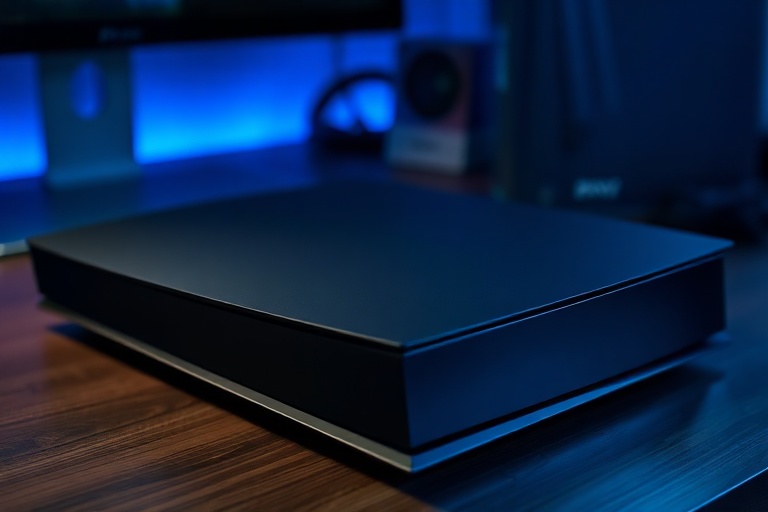
sony playstation
Since its inception in 1994, the Sony PlayStation brand has reshaped the gaming landscape, blending cutting-edge technology with immersive experiences that span multiple generations of players. What began as a collaboration between Sony and Nintendo—before evolving into an independent powerhouse—has grown into one of the most influential entertainment ecosystems in the world. With over 500 million consoles sold and a library exceeding 5,000 games, PlayStation’s legacy is defined by its relentless pursuit of innovation, its commitment to storytelling, and its ability to adapt to the ever-changing demands of gamers worldwide.
The Evolution of a Gaming Giant
The PlayStation story traces back to a pivotal moment in 1991, when Sony entered into a partnership with Nintendo to develop a CD-ROM add-on for the Super Nintendo Entertainment System (SNES). That collaboration collapsed, but Sony pivoted, leveraging its expertise in audio and CD technology to create its own gaming console. The result was the original PlayStation, launched in Japan on December 3, 1994. Marketed as a “computer entertainment system,” it introduced 3D graphics to mainstream audiences and established Sony as a serious contender in the gaming industry.
Each subsequent iteration of the PlayStation has pushed technological boundaries. The PlayStation 2, released in 2000, became the best-selling console of all time, thanks to its DVD playback capabilities and an unparalleled library that included classics like Metal Gear Solid 3 and Shadow of the Colossus. The PlayStation 3, launched in 2006, introduced the Cell processor and Blu-ray support, though its early years were marked by high costs and slow adoption. By contrast, the PlayStation 4, released in 2013, prioritized accessibility and power, selling over 155 million units and becoming the second-best-selling console behind the PS2.
The latest iteration, the PlayStation 5, launched in November 2020, represents a significant leap in performance with its custom AMD Zen 2 CPU, RDNA 2 GPU, and ultra-fast SSD. The console’s DualSense controller, with its advanced haptic feedback and adaptive triggers, has redefined immersion, allowing players to feel the tension of a bowstring or the crunch of snow beneath their boots. Sony’s focus on backward compatibility and exclusive titles like God of War Ragnarök and Spider-Man 2 has solidified its reputation for delivering high-quality experiences that cater to both casual and hardcore gamers.
Exclusive Games: The Heart of PlayStation’s Appeal
While Sony has ventured into hardware innovation, its greatest strength lies in its first-party game development. The company’s first-party studios—including Naughty Dog, Santa Monica Studio, Insomniac Games, and Sucker Punch—have consistently delivered titles that define entire genres and set new standards for narrative and gameplay. These exclusives are often the driving force behind console sales, with franchises like Uncharted, The Last of Us, and Horizon becoming cultural touchstones.
The Last of Us Part II, released in 2020, is a prime example of Sony’s commitment to storytelling. The game’s emotional depth, complex characters, and cinematic presentation earned widespread acclaim, though it also sparked intense debate due to its narrative choices. Similarly, God of War (2018) revitalized the franchise by shifting its tone from pure action to a more narrative-driven experience, earning over 250 Game of the Year awards. These titles are not just games; they are experiences that resonate with players long after the credits roll.
Sony’s approach to exclusives extends beyond traditional single-player experiences. The company has increasingly embraced live-service games like Horizon Forbidden West and Final Fantasy XVI, while also acquiring studios such as Haven Entertainment and Firewalk Studios to expand its portfolio. This strategy ensures that PlayStation remains a destination for gamers seeking high-quality, must-play titles that cannot be found elsewhere.
Top 5 Must-Play PlayStation Exclusives
- God of War (2018) – A masterclass in narrative-driven action that redefined the franchise.
- The Last of Us Part II – A gripping, emotionally charged story set in a post-apocalyptic world.
- Uncharted 4: A Thief’s End – A cinematic adventure that blends exploration, puzzle-solving, and set-piece action.
- Persona 5 Royal – A stylish, turn-based RPG with deep storytelling and unforgettable characters.
- Spider-Man 2 – A showcase for the PS5’s technical prowess, offering an open-world superhero experience.
PlayStation Plus and the Shift to a Subscription Model
In June 2022, Sony rebranded its online service from PlayStation Plus to PlayStation Plus Essential, Extra, and Premium tiers. This overhaul mirrored the industry’s shift toward subscription-based gaming, offering players access to a rotating library of games, cloud streaming, and classic titles from the PlayStation, PS2, and PSP eras. The Premium tier, in particular, provides a vast catalog of older games for a low monthly fee, making it an attractive option for collectors and newcomers alike.
The move to a subscription model reflects broader industry trends, with competitors like Xbox and Nintendo also emphasizing access over ownership. However, Sony’s approach stands out for its focus on curation and quality. The service includes handpicked titles from Sony’s first-party studios, ensuring that even older exclusives remain relevant. For example, Shadow of the Colossus and Demon’s Souls remakes are available for players who missed them on their original releases.
Critics have raised concerns about the long-term sustainability of subscription services, particularly regarding how revenue is shared with developers. However, Sony has positioned PlayStation Plus as more than just a game rental service. By integrating cloud saves, cross-gen play, and exclusive discounts, the platform aims to foster a deeper connection between players and the PlayStation ecosystem.
The Future of PlayStation: What’s Next?
As the gaming industry continues to evolve, Sony is doubling down on several key areas. Cloud gaming, or PlayStation Plus Premium, is one such focus. The company’s cloud streaming service allows players to stream PS5 games directly to their devices, eliminating the need for expensive hardware. While cloud gaming still faces challenges—such as latency and internet dependency—Sony’s investment in the technology signals its commitment to making gaming more accessible.
Another area of growth is virtual reality. Sony’s PlayStation VR2, released in February 2023, represents a significant leap over its predecessor, with 4K HDR displays, eye-tracking technology, and haptic feedback in the headset itself. Early titles like Horizon Call of the Mountain and Resident Evil Village VR showcase the potential of VR on the PlayStation platform. While VR remains a niche market, Sony’s continued investment suggests it sees long-term value in immersive experiences.
Beyond hardware and services, Sony is also focusing on expanding its global reach. The company has made strides in markets like India, Brazil, and Southeast Asia, where gaming is rapidly growing. Initiatives such as the PlayStation Plus India subscription tier and partnerships with local developers aim to make PlayStation more inclusive and culturally relevant worldwide.
Looking ahead, the next generation of PlayStation consoles is already on the horizon. Rumors suggest that Sony is working on a successor to the PS5, codenamed “PS5 Pro,” which could arrive as early as 2024. Speculation points to improved performance, ray tracing enhancements, and potentially a new controller design. Whatever the future holds, one thing is clear: PlayStation will continue to shape the gaming industry, just as it has for nearly three decades.
Conclusion: Why PlayStation Endures
Sony PlayStation’s success is not merely a product of its hardware or exclusive games, though these are undeniably critical components. Instead, its longevity stems from a deep understanding of what gamers want: innovation, immersion, and unforgettable experiences. From the groundbreaking 3D graphics of the original PlayStation to the cinematic storytelling of today, Sony has consistently delivered products that resonate with players across generations.
The company’s ability to adapt—whether through subscription services, cloud gaming, or VR—ensures that it remains relevant in an increasingly competitive market. While competitors like Microsoft and Nintendo offer their own strengths, PlayStation’s focus on exclusives, high-quality third-party partnerships, and cutting-edge technology sets it apart. For millions of players, a PlayStation console is more than a device; it’s a gateway to worlds they’ll never want to leave.
As gaming continues to evolve, one thing is certain: Sony PlayStation will be at the forefront, pushing boundaries and redefining what it means to play.